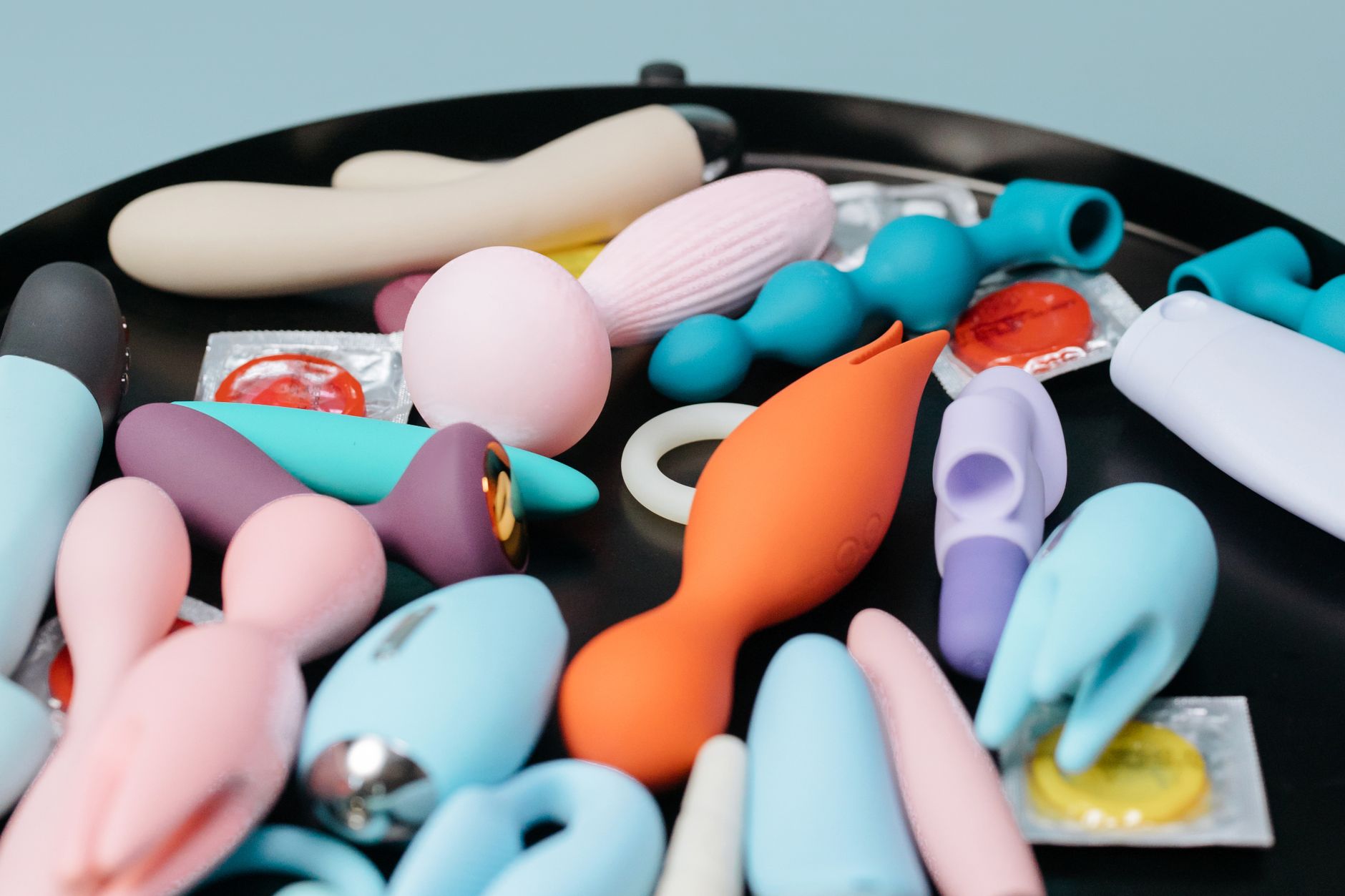
Best Lemon Vibrator After Vaginal Childbirth: Getting Back to Pleasure
Let's be real: nobody tells you that pleasure feels completely different after you've pushed a human out of your body. Your tissues are tender, your pelvic floor is working overtime, and the idea of touching yourself feels either impossible or irrelevant because you're running on three hours of broken sleep.
Here's the thing though. Rebuilding pleasure isn't a luxury after vaginal birth. It's part of reclaiming your body as yours again. And lemon clitoral vibrators like Hello Nancy's lemon sucker design make that process gentler, smarter, and way less intimidating than traditional vibrators.
Why vaginal birth changes sensation
Vaginal childbirth stretches and sometimes tears the tissue around your vaginal opening and perineum. Even with minor tears or no tears at all, the swelling, inflammation, and pressure changes in the pelvic floor affect how sensation registers. Your clitoris has millions of nerve endings, but the supporting tissue around it has been through trauma. Swelling reduces sensitivity. Scar tissue (if present) can make touch feel strange or even painful at first.
The pelvic floor muscles that normally help build arousal and bring on orgasm are fatigued and sometimes partially paralyzed immediately after birth. They need time to recover, just like any muscle would after intense exertion.
Most importantly: this is temporary. Tissue heals. Sensation returns. But rushing back to your pre-pregnancy pleasure patterns before healing is complete can create pain, frustration, or a disconnect from your body that lingers way longer than the physical recovery.
When can you actually use a vibrator after birth
Here's the standard guidance from midwives and pelvic floor physiotherapists: wait until any tears or stitches have healed (usually 4 to 6 weeks), and check with your GP or midwife before you do. If you had an episiotomy or significant tear, you might need 8 to 12 weeks.
But waiting physically isn't the whole story. Emotionally and mentally, you might not feel ready until much later, and that's completely normal. Some people feel ready at three months. Others don't want to touch themselves that way again until they've gotten proper sleep, stopped breastfeeding, or felt some sense of bodily autonomy return.
Don't let anyone (including your partner) push you into a timeline that isn't yours.
Why lemon vibrators are the right choice for postpartum recovery
Traditional vibrators can be too intense for healing tissue. They buzz with relentless force, and after birth, your vulva is sensitive in ways you might not expect. Some areas feel numb. Others feel hypersensitive. A standard vibrator doesn't adapt to that unevenness.
Lemon vibrators, especially models designed with suction rather than deep vibration, work differently. They stimulate the clitoris through gentle air-pulse suction instead of direct buzzing contact. That means:
Less direct pressure on tender tissue. The suction draws blood to the area without the same mechanical friction that can aggravate healing tissue or scar tissue.
Gentler warm-up phase. You can start at lower intensities and build up as sensation returns. This matters because your nervous system after birth is jumpy, and a harsh surprise of sensation can shut you down entirely.
Better for uneven sensitivity. If part of your vulva feels numb and another part is hypersensitive, you can position a lemon clitoral vibrator to work with what you actually have right now, not what you had before.
How to actually use a lemon sucker postpartum
Start slow. And I mean start slower than you think you need to.
Wait until you feel genuinely aroused. Not just willing. Genuinely turned on. This usually takes longer postpartum because your hormones are chaos and your brain is running on empty. Build in 20 to 30 minutes of foreplay or self-touch before you even turn on the device.
Use lubrication. Even if you normally didn't need it, postpartum tissue is drier than it was before. Water-based lube is your friend because it matches your body's natural lubrication and won't damage silicone toys.
Start at the lowest setting. A lemon vibrator's pattern 1 or 2 should feel gentle, almost tentative. You're reintroducing sensation, not chasing an orgasm.
Pay attention to what doesn't feel good and stop. If anything feels sharp or wrong, pause. You might be hitting scar tissue, or your pelvic floor might need more recovery time. This isn't failure. This is data.
The emotional part (which is bigger than the physical part)
After giving birth, many people feel disconnected from their own bodies. Your body fed someone. It grew someone. It did something you didn't fully control. Pleasure can feel selfish, or impossible, or like it's not your body anymore.
This is where solo exploration with a lemon clitoral vibrator can actually rebuild something deeper than sensation. It's about remembering that your body is yours. That pleasure is part of your life, not something you outsource to a partner or give up when you become a parent.
If you're rebuilding pleasure with a partner, take this slow too. Let them know what you're doing, why, and that it has nothing to do with them. A supportive partner gets curious instead of insecure. They understand that you're not rejecting them, you're reclaiming yourself.
Pelvic floor physical therapy helps (sometimes a lot)
If you're struggling with sensation, pain, or orgasm after the six-week mark, see a pelvic floor physiotherapist. Not all GPs understand the complexity of postpartum pelvic floor dysfunction. A specialist can identify exactly where the tension or weakness is and give you targeted exercises that actually work.
Many people combine pelvic floor PT with lemon vibrators and find that the combination accelerates recovery. The PT helps the muscles relax and reorganize. The vibrator helps rebuild the neural pathways for pleasure.
Signs you might need more time
If sex or solo exploration causes sharp pain (not just discomfort or strangeness, but actual pain), stop and check in with a specialist. If orgasm feels impossible after four months of patient exploration, that's worth investigating with a pelvic floor PT or sex therapist. If you feel completely disconnected from pleasure and it's affecting your mood or your relationship, talking to a therapist who specializes in postpartum mental health makes sense.
None of these mean something is permanently broken. They just mean you might need different support than time alone provides.
Getting back to pleasure is not selfish
Your body did something extraordinary. It needs time and gentleness to recover. But recovery isn't just physical. It's also emotional, and it includes pleasure.
Using a lemon sucker or lemon clitoral vibrator as part of your postpartum healing isn't a luxury add-on. It's an act of reclamation. It says: I'm still me. My pleasure still matters. My body is still mine.
Take the time you need. Use tools that feel right. And remember that rebuilding sensation after birth is a marathon, not a sprint. A lemon vibrator can be a patient companion on that journey.
People also ask
How long after vaginal birth is it safe to use vibrators
Most healthcare providers recommend waiting until any tears or stitches are fully healed, which is typically four to six weeks. However, emotional and physical readiness matter too. Some people aren't interested in solo exploration for months, and that's completely normal. Listen to your own body and check with your GP or midwife before reintroducing any genital stimulation.
Can using a vibrator after birth cause damage to healing tissue
If you wait until healing is complete and start gently with a device designed for sensitive tissue, the risk is very low. However, jumping into intense stimulation too early, using a vibrator that's too forceful, or ignoring pain signals can slow healing or create discomfort. That's why starting with lower-intensity options like lemon vibrators with suction rather than deep vibration is smarter than traditional designs.
Why does sensation feel different after childbirth
Vaginal birth causes swelling, inflammation, and sometimes minor tearing or scar tissue formation around the vulva and perineum. The pelvic floor muscles are fatigued and need recovery time. This combination temporarily changes how sensation registers. Additionally, hormonal shifts (especially if you're breastfeeding) reduce natural lubrication and can dull arousal. These changes are temporary and usually improve within several months.
Is it normal to not want any sexual activity after giving birth
Completely normal. Your body is recovering from significant physical trauma. Your hormones are all over the place. You're probably exhausted. Your relationship with your own body has changed. Some people feel disinterested in sex or masturbation for months, and that doesn't mean something is wrong. Talk to your partner if you have one, and be patient with yourself.
Can breastfeeding affect postpartum pleasure and arousal
Yes. Breastfeeding suppresses estrogen production, which reduces natural lubrication and can dull arousal. Oxytocin (released during breastfeeding) can also redirect your nervous system away from sexual arousal and toward nurturing focus. This usually normalizes once you stop breastfeeding or as your body adjusts. If arousal is completely absent after several months, it's worth mentioning to your GP, because postpartum depression can also flatten sexual response.
What lubricant should I use with vibrators postpartum
Water-based lubricant is your safest option. It matches your body's natural lubrication, won't damage silicone toys, and is easy to clean. Avoid oil-based lubes because they can trap bacteria and irritate healing tissue. Silicone-based lubes are slick but can degrade silicone toys over time. Stick with water-based and reapply as needed.
References & sources
- American College of Obstetricians and Gynecologists. (2018). Physical activity and exercise during pregnancy and the postpartum period.
- Signorello, L. B., et al. (2010). Postpartum sexual function and its relationship to perineal trauma: a retrospective cohort study of primiparous women. American Journal of Obstetrics and Gynecology.
- Kingsberg, S. A., & Woodard, T. (2015). Female sexual dysfunction: focus on low desire. Obstetrics and Gynecology.
- Pelvic Health and Rehabilitation Center. Evidence-based guidance on pelvic floor recovery postpartum.