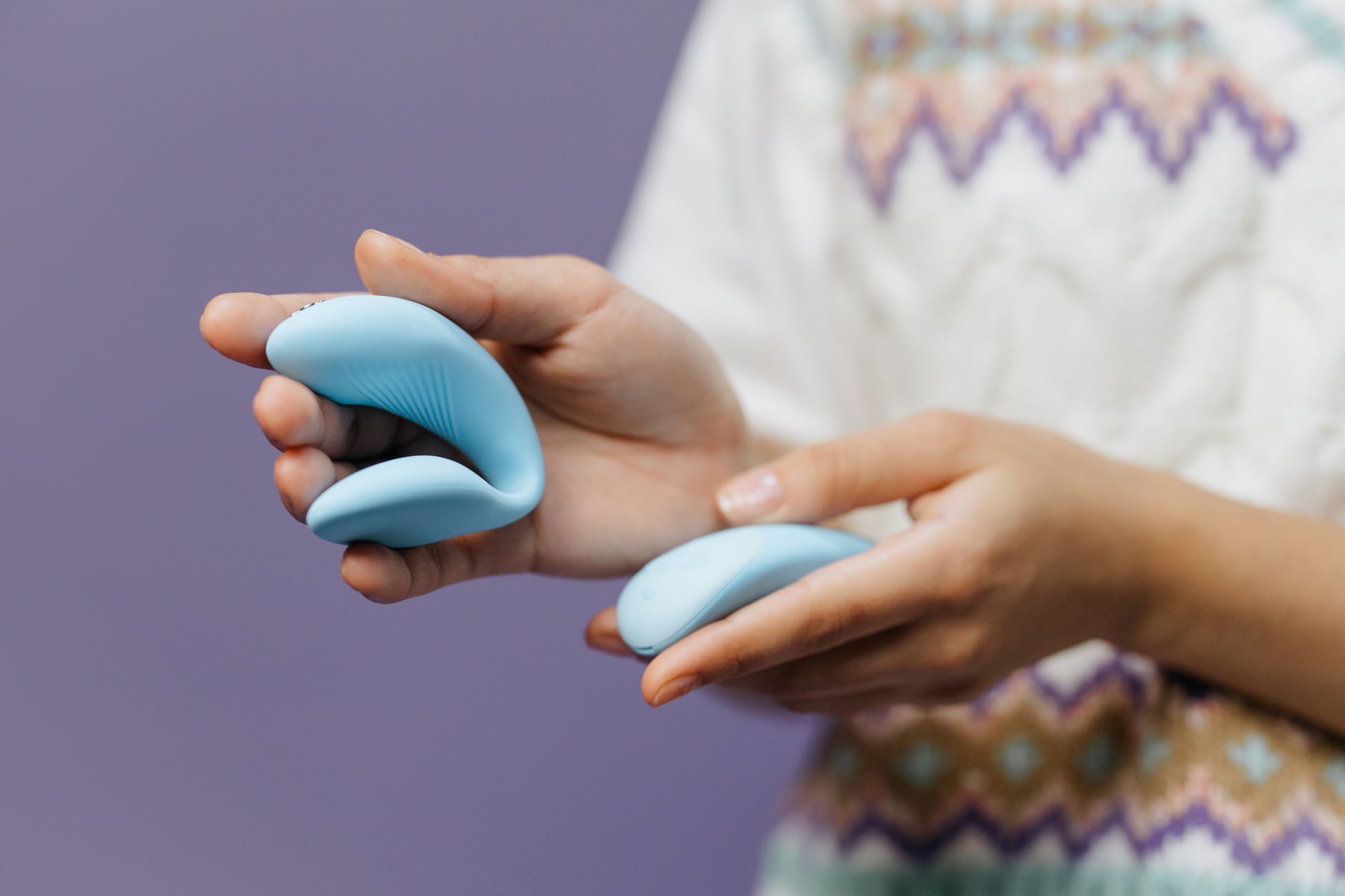
Let's be real about the first-time jitters
You bought a lemon vibrator. Maybe it's still in the box. Maybe you've looked at it three times and put it back in the drawer because you're not entirely sure what you're supposed to do with it, and the thought of turning it on feels weirdly vulnerable, even when you're alone.
That's completely normal. Most people don't grow up holding a toy and thinking, "Yeah, I know exactly how this works." The good news? Lemon vibrators are actually one of the more intuitive designs to start with, and once you understand the basic mechanics, the nervousness usually evaporates.
What makes lemon vibrators different from other toys
Most vibrators buzz. They shake back and forth really fast, kind of like how your phone vibrates when someone calls. Lemon clitoral vibrators work totally differently. Instead of vibration, they use suction and gentle pulsing to create a sort of sucking sensation. Think less "jackhammer" and more "soft kiss that keeps building."
The technical name is air-pulse stimulation, but honestly, just think of it as a sensation you've probably never felt before from a toy. It doesn't require direct contact the way a traditional vibrator does. You place the cup opening against your clitoris, turn it on, and the air pulses create a seal that gently draws and releases. No friction, no grinding, no pressure if you don't want it.
This design actually makes lemon vibrators easier for beginners because it's less likely to feel overwhelming or numbing right away. The sensation builds more gently.
The first-time setup that matters
Before you even think about turning on your lem vibrator, three things:
Lubrication is your friend. Water-based lube isn't about "need" the way you might need it for penetration. It's about comfort and seal. The suction works better when there's a light layer of moisture. A dime-sized amount is enough. Slick Labs or any water-based lube works fine.
Location matters. Find somewhere private where you won't be interrupted for at least 15 minutes. Not because you need to be dramatic about it, but because interruption kills exploration. You need to focus on what you're feeling without a roommate potentially walking in.
Start low. Lemon vibrators usually have 3-10 intensity levels depending on the model. Your first time, you're starting at level 1 or 2. Not level 5. Not because you're fragile, but because you have no baseline yet for what the sensation is like, and starting low lets you acclimate without overloading your nervous system.
What it actually feels like the first time
When you turn on a lemon vibrator at low intensity, the first thing most people notice is that the sensation is gentler than expected. There's a subtle pulsing, a light suction that builds and releases. It doesn't feel medical or clinical. It feels good almost immediately for most people, but not overwhelming.
You might notice the sensation is more concentrated than you expected. Clitoral vibrators focus stimulation really precisely. Some people find that takes a moment to adjust to. Others love it immediately.
There's also a learning curve for position. The opening of the toy needs to sit flush against your clitoris to create the seal. You might need to shift slightly to find the angle that feels best. That's not a failure. That's just the first time of anything. Small adjustments are normal.
What actually happens inside your body
When you start using a clitoral vibrator, your nervous system recognizes the stimulus and begins the arousal response. Blood flows to your genitals. Tissues swell slightly. Lubrication increases. The sensory receptors in your clitoris send signals to your brain about pleasure.
The build might be fast or slow. That depends on your body, your stress level that day, whether you're thinking about work, and honestly, how much permission you've given yourself to focus on sensation. First time, many people take 5 to 15 minutes to reach orgasm. Some take longer. Some people don't orgasm the first session and that's completely fine too.
Orgasm on a lemon vibrator often feels different than on a partner or hand. It's typically more localized, which some people prefer. The lack of pressure elsewhere means the sensation stays concentrated on your clitoris and the pleasure feels clean and specific.
The stuff nobody tells you (but I will)
Your clitoris might feel a little sore afterward. Not injured, just tender, the way your muscles feel after exercise. This is normal for the first few times. Your clitoris isn't used to that intensity of sensation, even if the intensity level is low. This feeling usually fades after the first 3-5 uses.
You might not have an orgasm and that's genuinely okay. Anxiety about performance is a huge barrier to first-time pleasure. You're not supposed to come on command. Your body doesn't know it's a "first-time test." Remove the expectation. Use it because the sensation feels good, not because you're trying to hit a finish line.
Cleanup takes 10 seconds. Warm water, mild soap if you want it. The toy dries completely. No fuss.
You'll probably want to use it again. Most people don't buy a toy and never pick it up. But if you're nervous, that's fine too. Leave it in the drawer for a week. Come back to it when you're less in your head about it.
Building from session one to session three
After your first time, you know what the sensation feels like. Session two, you can skip the anxiety and jump straight to exploring. Try a higher intensity level. Experiment with timing and pressure. Notice what patterns feel best.
By session three, most people have a sense of what works and what doesn't. Some people discover they love a specific pattern. Others find they prefer the lower intensities. Some people realize they want to combine it with other sensations or toys.
This is the phase where you're actually learning your own body's preferences. That's the real value of trying a lemon vibrator. It's not about the toy. It's about getting reliable, clear feedback about what your nervous system responds to.
When to try this with a partner (if you want to)
If you have a partner and you want to incorporate lemon vibrators into partnered sex, that's a separate conversation. The best time to introduce it is after you've used it solo at least a couple times, so you know what you like and you're not discovering everything simultaneously. It also helps to mention it casually in a non-sexual moment, rather than springing it out mid-intimacy.
Some partners feel insecure about toys. Some love them. If your partner is hesitant, frame it as something that helps you learn more about your own pleasure, not as a replacement for anything they do. Those conversations are simpler when the toy isn't new and mysterious.
The practical stuff
Lemon vibrators are usually waterproof or water-resistant depending on the model. Check your manual. They recharge via USB, usually taking about 60 minutes for a full charge. Battery life is typically 1.5 to 2 hours per charge. One charge is enough for many, many uses.
Storage is simple. A drawer, a box, anywhere private is fine. Some people buy a fancy storage pouch. It's not necessary. A silk bag or even a clean pillowcase works if you want to protect it from dust.
If you're embarrassed about it being visible, no one needs to know. This is completely your business. Buy it, use it privately, store it privately. The only conversation that needs to happen is the one you choose to have.
A quick word on expectations
Toys don't fix anything that's broken. If you struggle with arousal or orgasm due to stress, medication, hormonal shifts, or relationship issues, a lemon vibrator can help you explore sensation and sometimes find a pathway to pleasure. But it's not a cure. If something feels consistently difficult or painful, that's a conversation for a healthcare provider, not something a toy will solve.
For most people though, lemon vibrators are simply a straightforward way to explore what feels good without the complexity of another person, without performance pressure, and without any guessing. You turn it on. You feel what happens. You learn something about yourself.
That's it. That's the whole thing.
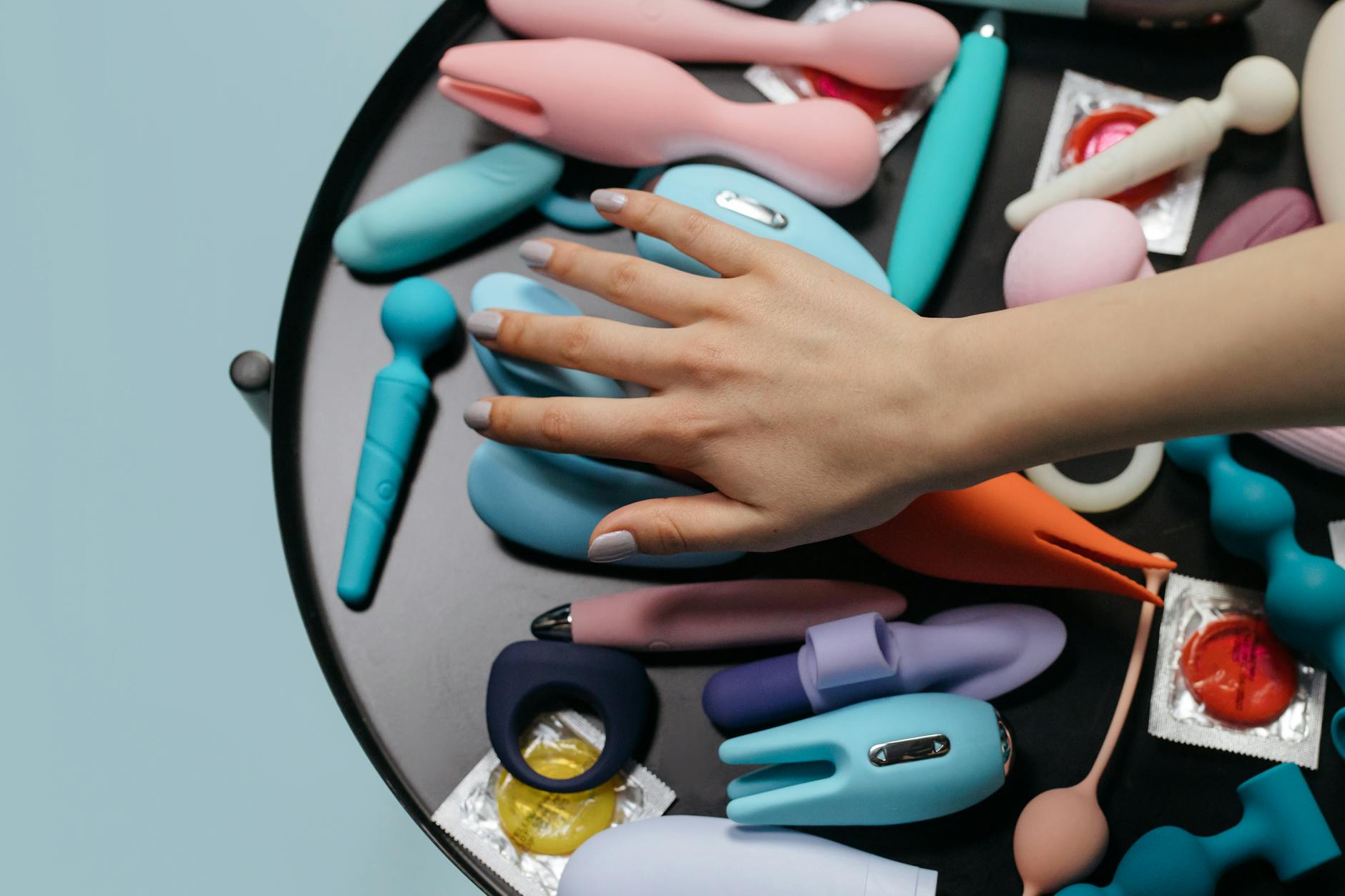
Photo by cottonbro studio on Pexels
The questions people actually ask
Does using a lemon vibrator desensitize you to other forms of pleasure?
No. Your clitoris doesn't "get used to" one type of sensation and stop responding to others. That's a common myth. What actually happens is you learn what you like. If you love the sensation of a lemon vibrator, that doesn't mean your partner's touch becomes less pleasurable. Different stimulation does different things. You're not building a tolerance. You're building a toolkit.
Will a lemon vibrator make orgasms with a partner harder to reach?
Not inherently. Some people find that exploring with a toy solo actually makes partnered sex better because they know what they want and can communicate it. Others find they like solo and partnered sex for totally different reasons. The toy doesn't change your capacity. It just gives you an option.
How quiet are lemon vibrators?
Most air-pulse vibrators are quieter than traditional vibrators because they don't have the same buzzing mechanism. They make a soft humming sound, not a loud buzz. If you live with roommates or share a wall, it's discreet. Not silent, but not loud.
Can you use a lemon vibrator if you have a sensitive clitoris?
Actually, yes. The suction design on lemon vibrators is gentler than traditional vibrators for many people because it doesn't rely on direct friction. The seal is soft. The pulsing is gentle. You start on the lowest setting. For people with clitoral sensitivity, this design is often actually more comfortable than a buzzing vibrator. How to use lemon vibrators for sensitive clitorises without overstimulation goes deeper into adjustments.
What if nothing happens the first time?
You haven't failed. The first time is data gathering. Your nervous system is processing a new sensation. Your brain might be in your head instead of in your body. You might have picked a time when you're stressed or tired. All of that is normal. Wait a few days, try again when you're genuinely relaxed, and see what changes. For many people, the second or third time is when the pleasure actually clicks.
Is it normal to feel weird about using a toy if you've never done it before?
Completely normal. You're doing something new, potentially alone, potentially with vulnerability, potentially with some internalized messages about what's "normal" or "acceptable." All of that is worth noticing and then gently setting aside. Your pleasure matters. Exploring what brings you pleasure is not weird or shameful. It's self-knowledge.
What comes next
After you've used a lemon vibrator a few times and figured out what you like, you have options. Some people stick with one toy they love. Some people explore different patterns and intensities. Some people combine toys. Some people use it once and set it aside, and that's fine too.
The point isn't to become a toy collector. The point is to understand your own pleasure so well that you can communicate it, seek it, and enjoy it without confusion or shame. A lemon vibrator is just a tool for that. You're the one actually learning.
If you have questions about how to integrate this into your life or your relationship, or if something feels off physically, reach out. That's what we're here for.