Numbness is more common than you think
Let's be real: vulva numbness isn't something most people talk about. But it's wildly common. You might notice it after years of the same stimulation, after hormonal shifts, from certain medications, or from a combination of things. The temptation is to assume it's permanent. It usually isn't.
What's changed is sensation. Your nerve endings haven't disappeared. They've just been over-stimulated or under-stimulated, or your nervous system has gone quiet from stress or medication side effects.
Why traditional vibration stops working
Most standard vibrators use constant, direct vibration. If you've been using the same vibrator for years, your body stops noticing it. It's like wearing a sweater. At first you feel it. After an hour, your nervous system tells your brain to ignore it. Same thing happens with repeated vibration in the same spot.
That's the problem. The solution isn't necessarily a stronger vibrator.
How lemon vibrators actually restore sensation
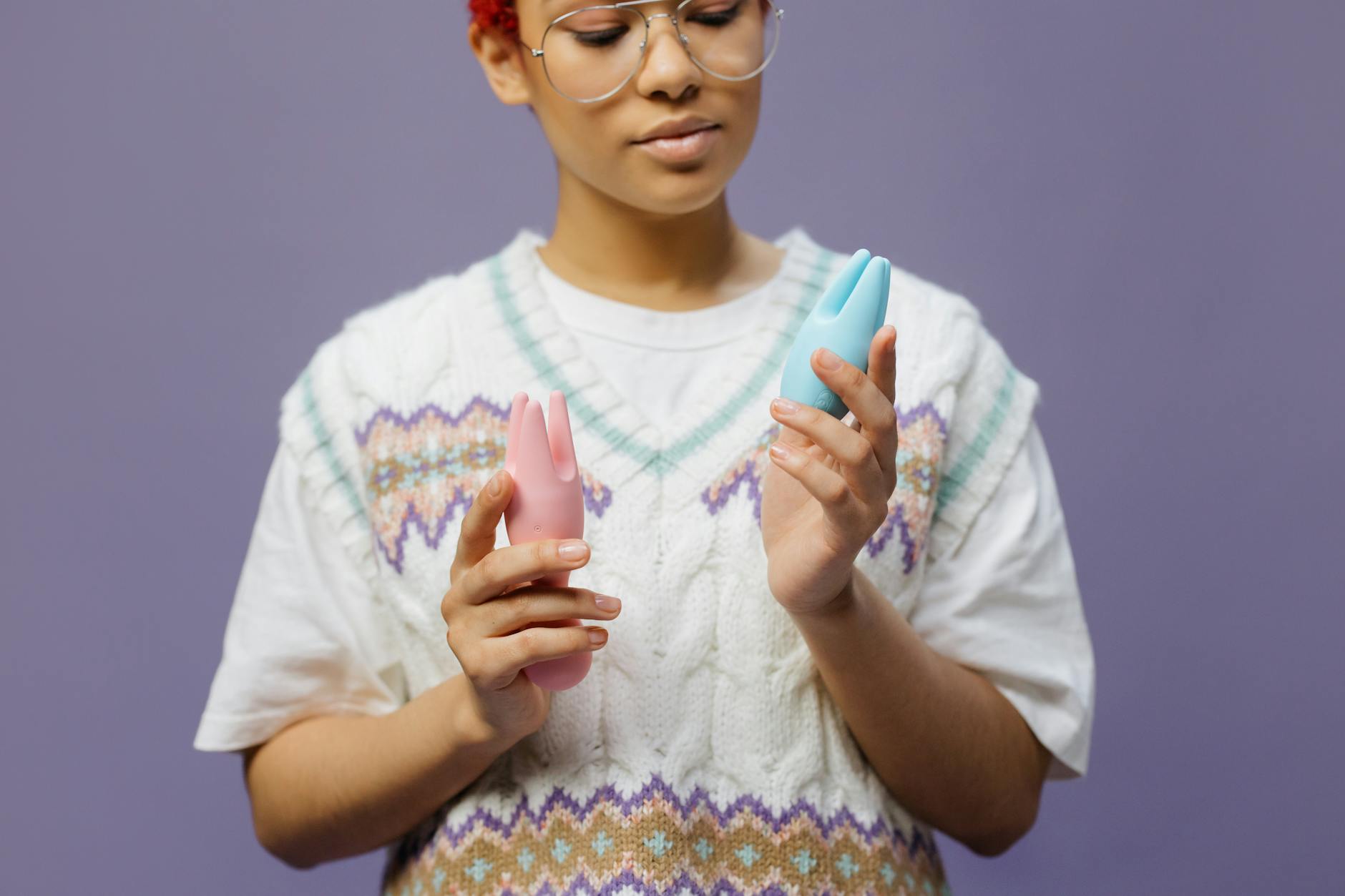
Lemon clitoral vibrators use suction instead of vibration alone. Suction works differently neurologically. Rather than a constant buzzing pressure, suction creates a pulse and release rhythm that your nervous system registers as novel and interesting.
Here's what happens: the suction stimulates a different set of nerve pathways than direct vibration. If those pathways have been dormant, they wake up. You're not numbing yourself further. You're engaging a fresh part of your sensory map.
For people with reduced sensation, this novelty matters. A lot. Your body notices something new before it learns to tune it out.
Which lemon vibrator setting is right for reduced sensation
This is where most people get it wrong. When sensation is low, the instinct is to jump straight to the strongest setting. Resist that. You'll just numb yourself further.
Instead, start with pattern 2 or 3 on a lemon vibrator like the Lem. These patterns create a gentle pulsing suction. Your goal for the first week isn't an orgasm. It's just reawakening your nervous system to the sensation.
Here's the sequence that works:
Week 1: Patterns 1 and 2 only, five to ten minutes daily. You're teaching your body to notice again.
Week 2: Patterns 2 and 3, longer warm-up time. Foreplay matters more when sensation is low. Budget fifteen to twenty minutes before you even touch the vibrator.
Week 3 onward: Move to patterns 3 through 5 as sensation returns. Many people find that their most intense orgasms come at pattern 4 or 5, not the highest setting.
Numbness is often not just physical
Here's what I see clinically: numbness frequently arrives alongside other life stress. A difficult period at work. A rocky patch in a relationship. Grief. Your nervous system goes quiet as a protective mechanism. The vulva just becomes the place you notice it first.
If sensation loss started suddenly or correlates with a major stress, that's important information. A lemon vibrator helps. Therapy helps more, sometimes.
If numbness started gradually over years, especially if it's been the same toy and the same rhythm for a long time, the issue is usually overstimulation and habituation. That's actually good news, because it responds really well to novelty.

Photo by SHVETS production on Pexels
Medication side effects and sensation loss
Certain medications numb sexual response. SSRIs are notorious for this. Some blood pressure medications, antihistamines, and hormonal birth control can all flatten sensation or make orgasm harder to reach.
If your numbness coincided with starting a new medication, talk to your doctor. Sometimes switching the timing of when you take it (taking it after sex rather than before) helps. Sometimes switching medications entirely is the answer.
A lemon vibrator can work around medication side effects by creating more intense stimulation than you'd get from manual touch or traditional vibration. But it's not a replacement for addressing the underlying cause.
Rebuilding sensation with a partner
If you're with someone, they can help. Not with the vibrator necessarily, but with the warmup and the emotional safety piece.
When sensation is low, you need longer foreplay. You need to feel safe enough to be patient while your body wakes up. A partner who understands this isn't a speed bump but a feature changes everything.
One approach: have them handle the foreplay and the warmup while you focus on what sensations you're actually noticing. That shift from performance to observation often brings sensation roaring back on its own.
Lubrication matters more than you think
When sensation is reduced, friction becomes an issue. Thinner tissue (from hormonal changes, age, or medication) makes direct contact uncomfortable. Water-based lubricant isn't just nice. It's essential.
It lets the suction sensation register clearly without the distraction of friction. Apply generously. Reapply as needed. This is not the moment to skimp.
How to know if sensation is returning
You don't need a dramatic orgasm to know it's working. Early signs are subtle. You might notice that lower patterns feel more interesting than they did before. You might find yourself wanting to explore different spots on the vulva. Sensation might feel sharper or more localized.
Take notes. Seriously. After a week, after two weeks, ask yourself: does this feel different than last week? Are you noticing sensations you weren't noticing before? That's the benchmark, not orgasm.
When to seek professional help
If numbness appeared suddenly or is total (you feel literally nothing), see a gynecologist. Rule out nerve damage, blood flow issues, or vitamin deficiencies first.
If numbness is tied to trauma or a history of abuse, a trauma-informed therapist should be part of your toolkit. Your nervous system might be protecting you. A vibrator alone won't fix that. You need support to help your system feel safe again.
If numbness has persisted for more than six months despite trying different approaches, that's also a reason to get professional input. Hormonal testing, nerve function testing, or pelvic floor physical therapy might be relevant.
The patience piece
Sensation restoration is not fast. It takes weeks, sometimes months. Your nervous system is rewiring itself. That takes time. The urge to jump straight to the highest intensity is strong, but it works against you.
If you can commit to four weeks of consistent, low-intensity exploration with a lemon clitoral vibrator, most people report a significant shift in sensation. Some get back to where they were. Some find their sensation is actually sharper and more nuanced than before.
Your pleasure isn't gone. It's just waiting for the right approach to come back.
People also ask
Can lemon vibrators really restore sensation that's been numb for years?
Yes, frequently. Numbness from habituation or repeated stimulation usually responds well to the novelty of suction. Your nervous system recognizes something new and engages. That said, numbness from nerve damage, vascular issues, or trauma might need additional intervention beyond a vibrator. The key is starting with a professional assessment so you know what you're working with.
How long does it take for sensation to come back with a lemon vibrator?
Most people notice a shift within two to three weeks of consistent use at low to medium settings. By week four or five, the change is usually obvious. You're not waiting for a dramatic moment. You're looking for small signs that sensation is becoming sharper or more interesting. Some people experience a noticeable return in days if numbness was stress-related.
Is it normal to need a stronger setting as sensation comes back?
Completely normal. As your nervous system wakes up, stronger stimulation often feels better because you can actually feel the difference between intensities. Early on, patterns 1 and 2 might feel similar. By week three, pattern 5 might feel totally different from pattern 3. That's your system recalibrating.
Can numbness come back if I return to my old vibrator?
Often, yes. That's why mixing things up matters long-term. If you've spent years with the same toy and the same pattern, your nervous system learned to tune it out. A lemon clitoral vibrator breaks that habit. To keep sensation sharp, vary your patterns and sometimes your tools. Your pleasure actually benefits from novelty.
What if I have both numbness and pain during sex?
That's usually a different issue that deserves specific attention. Pain and numbness together might point to pelvic floor tension, hormonal changes, or nerve sensitization. See a pelvic floor physical therapist or gynecologist before trying a new vibrator. Pain is information telling you something needs addressing first.
Should I use numbing lube with a lemon vibrator if sensation is low?
No. Numbing lubes are the opposite of what you need. Use a standard water-based lube that lets you actually feel sensations, not one that masks them. Your goal is to wake sensation up, not put it further to sleep.
If you're struggling with sensation loss, remember that this is workable. Your nervous system is responsive and trainable. A lemon vibrator paired with patience and the right approach usually gets you back to a place where pleasure feels real again. Reach out to our team if you want to talk through your specific situation.