Let's be real: you're not as alone in this as you think
You've thought about it. Maybe you've researched lemon vibrators or clitoral vibrators on your phone at 11 p.m. Maybe you've imagined how the conversation would go, and every version of it ends badly. Your partner gets defensive. They think you're unsatisfied. They think it means something about them. So you don't say anything, and you stay in your head about it instead. That's the most common pattern I see in my practice, and here's the thing: it's built on assumptions, not facts.
Most partners are not offended by the idea of bringing pleasure into sex. They're often curious, sometimes relieved, occasionally nervous themselves. The conversation you're dreading in your head is rarely the conversation that actually happens once you start talking.
Why the nervousness is actually about something else
You might think you're nervous about your partner's reaction. You're not. You're nervous because talking about sex in a direct, specific way is uncomfortable. It feels vulnerable. It means you're asking for something instead of accepting what happens, and somewhere along the way, you learned that wasn't safe or sexy. That's the real thing.
Here's what changes: once you realize your nervousness isn't about your partner's character, it becomes about your own discomfort with asking. That's fixable. That's actually the whole conversation, stripped down.
The setup matters more than you'd think
Don't bring this up during sex. Don't mention it right after sex when you're both recovering. Don't text about it when you're busy. Pick a calm moment when you're both present, not rushed, and preferably clothed. This sounds obvious, but people skip it because they're anxious and want it done.
The best moments I see: a relaxed evening when you're sitting close but not initiating anything. A car ride where you're not making eye contact, which lowkey helps with vulnerability. After a good meal when you're both content. Anywhere you'd have a normal conversation about something that matters.
Timing is also about temperature. Don't have this conversation during conflict or when either of you is stressed about work or family. You want baseline calm, not crisis management masquerading as intimacy.
How to actually open the conversation
Start with a frame, not a demand. "I've been thinking about something that might feel fun for us" lands completely differently than "I want to get a vibrator." One is exploratory. One sounds like you've already decided and you're announcing it.
Here's a version that works: "I've been curious about something, and I wanted to talk about it with you because I want it to be something we do together, not just something I do. Is now an okay time?"
Notice what's in there. You're naming curiosity, not dissatisfaction. You're centering the "we," not the "I." You're asking permission for the conversation, which signals respect and takes some of the intensity out of the moment. You're also picking a specific time, which is way less ambushing than launching into it randomly.
If they say no, they mean "not now," not "never." Pick another time.
What to say once you have their attention
Be specific. Vague doesn't work. "I've been thinking about trying something new with sex" creates more questions than answers. "I'm curious about using a clitoral vibrator together" is concrete and clear.
Then pause. Let them respond. This is important. People need a beat to process, and if you keep talking to fill the silence, you're not actually inviting them in.
Their first response might be neutral, curious, hesitant, or enthusiastic. All of those are normal. If it's hesitant or nervous, that's actually valuable information. Ask what they're thinking. Is it about their ego? Do they think it means you're not satisfied? Are they worried about logistics? These are solvable things. That's the whole conversation.
Address the actual concerns that might come up
If they worry it means you're unsatisfied: "I'm satisfied with you. I'm also curious. Those can both be true." If they worry it means something is wrong: "Nothing is wrong. I just want to explore more."
If they worry it will replace them: "It's a tool, not a replacement. It does a specific thing." If they're curious but uncertain: "We can start small. We can look at options together. We go at whatever pace feels right."
The nervousness they might feel is often about vulnerability, just like yours. They're worried about getting it wrong, about not being enough, about awkwardness. Naming that directly softens the whole thing. "I know this might feel a little weird at first. It did for me too. But I want to figure it out together."
When you're ready to actually choose one
Do this together. Go to Hello Nancy and look at options. You're not hiding it or ordering it secretly. You're choosing it as a team. This removes the shame spiral and makes it collaborative.
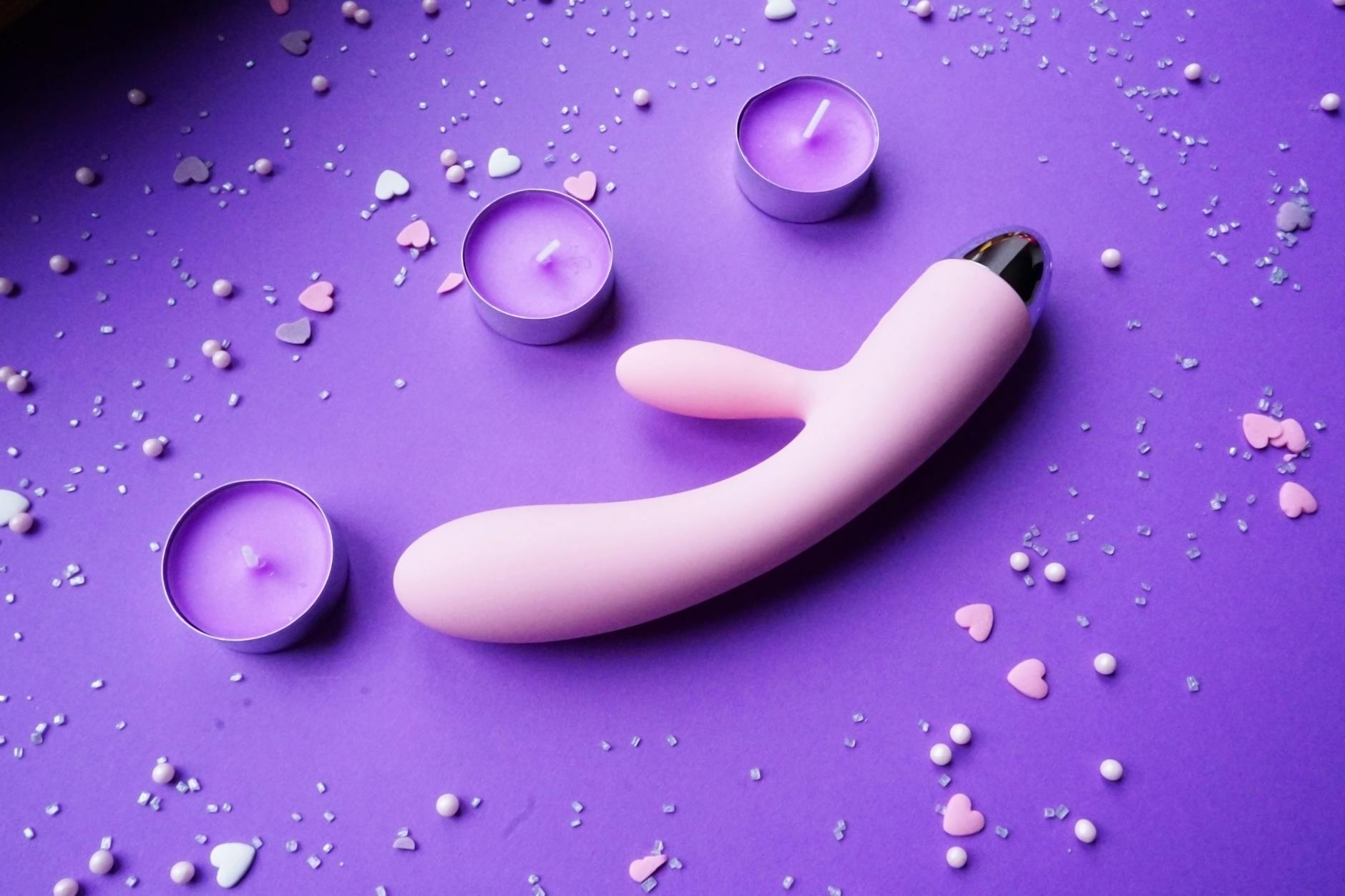
A clitoral vibrator like the Lem works differently than a traditional vibrator. It uses suction rather than vibration. If your partner is worried about pain or discomfort, knowing it's gentler can actually relieve a lot of tension. If they're curious about sensation, that same thing is interesting to them.
Choose something you both think looks nice. This matters more than you'd think. If it's beautiful, it feels less clinical. If you both like it, you're both invested.
The first time is awkward. Plan for that.
It will feel weird. You'll both be hyperaware. That's not a sign you made a mistake. That's just the first time. The second time is better. The third time feels normal. So go in expecting that learning curve.
Start with hands, not a rushed jump to the device. Touch each other first. Tease. Build arousal the way you normally would. Then introduce the vibrator as part of that, not instead of it. Let your partner see how you respond. Let them experiment with how to use it. Make it collaborative.
What happens after
Don't treat it like a big deal after it's over. If it was great, you can say so. If it was awkward, that's fine too. Either way, you've crossed the threshold from "I'm nervous about this" to "we did this." That changes everything.
Many couples find that once they have one conversation about this, future conversations get easier. You've normalized asking. You've shown each other it's safe. You've proven that vulnerability doesn't ruin things. It actually deepens them.
The couples I work with who introduce toys into their sex life aren't more satisfied because the toy is magic. They're more satisfied because they finally talked about what they want and they trusted each other with that. That's the real shift.
FAQ: What else people ask
What if my partner seems interested but nervous?
That's the most common response. Nervous doesn't mean no. It usually means they're processing. Give them time and space to ask questions. Ask what specifically feels uncertain. Often it's just "How do we do this?" which is a logistics question, not a rejection. Answer it directly, and the nervousness usually settles.
Should I mention it or just bring one home?
Always mention it first. Surprising someone with a sex toy is a boundary violation, even if you mean well. The conversation is the whole point. It's where you build trust and alignment.
What if they say no?
That's information. Ask why. Is it something about sex toys specifically, or about the lack of conversation? Is it a timing thing or a values thing? Different answers require different responses. Sometimes people need time. Sometimes you need to understand their concerns better. Sometimes you genuinely want different things sexually, which is worth knowing.
What if I can't find the words?
Show them instead. You could send them an article like this one. You could show them the Hello Nancy website and say "I've been thinking about something like this." Sometimes the visual does the explaining for you. That's okay. There's no script that works for everyone.
Do I have to use it immediately after the conversation?
Not at all. Having the conversation and buying something is enough for one day. Let it sit a bit. Let the anticipation build. Let them get used to the idea that this is happening. Sometimes the waiting is actually better than the rushing.
How do I know if it's worth the awkwardness?
If you're thinking about it, it's probably worth it. The awkwardness of a five-minute conversation is temporary. The regret of never asking is much longer. You deserve to explore your sexuality without shame, and you deserve a partner who can have an adult conversation about it.