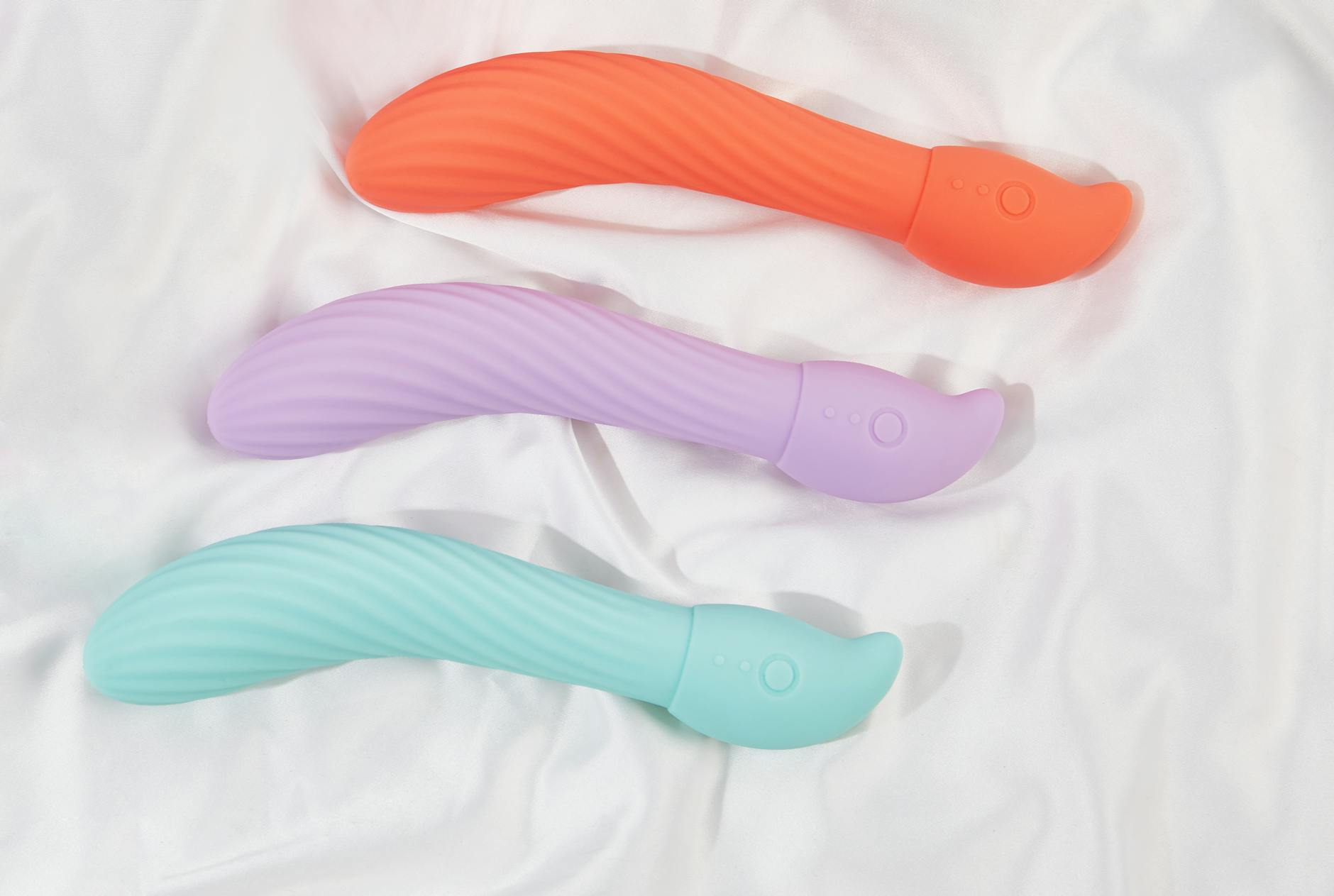
Here's the thing about new partners and pleasure
New relationships come with a natural filter. You're learning each other's bodies, rhythms, and preferences. You're also, whether you admit it or not, managing some anxiety about whether you're good enough, whether they'll like you, whether it's "weird" to want what you want. Introducing a clitoral vibrator into that mix can feel like opening a conversational door you're not sure how to walk through.
But here's what I see in my practice: couples who talk openly about pleasure early on, and who integrate tools like lemon vibrators into their intimacy, report stronger connection, higher satisfaction, and less shame. The conversation isn't awkward. The silence is.
Why introduce a lemon vibrator at all
You might be wondering whether this is necessary. It's not. But there's a real difference between "we can get by without it" and "we're missing something because we haven't tried it."
Lemon vibrators, specifically, work through gentle suction rather than direct vibration. This changes the experience fundamentally. Many people find their first genuine orgasm happens with a lemon clitoral vibrator. Others discover that partnered pleasure gets deeper when external stimulation is involved. The reason is physiological: a partner's hand or tongue can't replicate the precise, consistent pressure a suction device provides. Add them together and you're not doubling pleasure. You're unlocking something that wasn't accessible before.
For new partners especially, introducing a vibrator early can set the tone that pleasure is collaborative, not something either of you has to deliver solo. That's a healthier dynamic than pretending everything is effortless.
The conversation before it happens
Let's start with the hardest part. Most people avoid this conversation entirely, which means the first time a vibrator appears, it's either a surprise (which can feel jarring) or a desperate attempt to solve a sexual problem (which adds pressure instead of relieving it).
The best time to mention it is when you're not having sex. Morning coffee, a drive, a moment when you're both relaxed. Keep it simple.
"I've been thinking about trying a clitoral vibrator, and I'd like us to explore that together. I'm curious what you think." That's it. You're not saying anything is wrong. You're not saying he's not enough. You're inviting collaboration.
If they seem hesitant, listen to what's underneath. Often it's insecurity ("does that mean I'm not doing it right?") or unfamiliarity ("I don't know what that means"). Both are fixable with information. Explain that lemon vibrators work differently than other adult toys. They use suction, which feels more like oral stimulation than traditional vibration. Frame it as exploration, not substitution. You're not replacing them. You're adding something.
If they're into it immediately, great. Move forward. If they need time, give them space. A partner who feels pressured into using a vibrator will feel resentful during sex, and that kills everything.
Setting up your first experience
The logistics matter more than you'd think. Privacy is obvious. But also: cleanliness, battery life, and having lubricant on hand.
Charge your lemon vibrator fully before your first session together. Nothing kills arousal faster than discovering the device is dead halfway through. Make sure you have water-based lubricant available. Even if you're naturally lubricated, a bit of extra helps the suction work better and feels smoother.
Talk about positioning beforehand. Are you going to be lying down? Seated? Will they be touching you elsewhere while you use the vibrator? Will they hold it? These conversations sound clinical, but they prevent the awkward "wait, how does this work?" moment mid-pleasure.
Start with the settings low. A lemon vibrator typically has 5-10 intensity levels. Begin at 1 or 2. Pressure and rhythm matter more than power. You're learning what your body likes, and they're learning what brings you genuine pleasure. That knowledge is gold for your future together.
What to expect physically
The first time using a lemon clitoral vibrator with a partner, sensations might feel unfamiliar. The suction is localized, often more intense than a partner's touch. Some people describe it as a gentle pulling sensation that builds pressure over time. Others say it feels like a rhythmic massage.
Orgasms with a lemon vibrator sometimes take longer to build than you'd expect. That's not a problem. It's actually useful because it means you have time to adjust, breathe, and let your partner see what actually works for you. Many people have never experienced an orgasm that takes 8-12 minutes of consistent stimulation. That's normal and often deeper than quick climaxes.
If you're not reaching orgasm the first time, that's also normal. Your body is processing something new while managing some baseline anxiety about performance. Your partner is probably also wondering if they're "doing it right." None of that is conducive to relaxation.
What's changing emotionally
This is the part that matters more than the mechanics. When you use a lemon vibrator with a new partner, you're doing something vulnerable in front of them. You're saying "here's how my body actually works. Here's what genuinely feels good to me." That's intimate in a way that goes beyond the physical.
Your partner gets to witness your pleasure directly. Not a performance version of pleasure, but the real thing. That builds connection. It also teaches them, in real time, how your body responds to pressure, rhythm, and touch. That information is wildly valuable for future partnered sex.
For them, it can feel like being invited into something private. If they're the type to hold the vibrator for you, or to touch you elsewhere while you use it, they're actively participating in your pleasure. That's a shift from traditional partnered sex, and it often deepens intimacy.
Common worries and how to handle them
"Will they think I'm not satisfied with them?" No. They might worry about it, which is why you address it directly. "I love sex with you. I also want to explore all the ways my body can feel good. Using a vibrator with you is about adding to what we have, not replacing it."
"What if they get bored or insecure?" Some partners do initially. The antidote is including them. Have them adjust the settings, hold the vibrator, touch you while you're using it. Make it collaborative, not something happening to you in isolation.
"What if I still don't orgasm?" That's okay. You're building data about your body with someone you trust. Orgasm isn't the only measure of good sex. Connection, pleasure, and learning each other matters more. If orgasm doesn't come after several relaxed tries, that's worth exploring with a healthcare provider, but it's not a failure.
"What if they want to use it on me and I don't like that?" You get to say no. Boundaries matter here. If you prefer to hold and control the vibrator yourself, say that. Some people find it more intense or less controlled when a partner is holding it. That's data, not rejection.
Building a rhythm after the first time
If the first experience went well, you don't have to use the vibrator every time you have sex. Some couples integrate it regularly, others use it when they want something specific. Let it evolve naturally based on what you both enjoy.
Check in afterwards. "What did you like about that?" "What felt good for you?" These conversations build trust and sexual literacy. You're learning each other's bodies in a deliberate way.
Consider that introducing a lemon vibrator early in a relationship sets a precedent that pleasure is something you explore together, with honesty and curiosity. That foundation matters for long-term connection.
FAQ
Can you use a lemon vibrator with a partner every time you have sex?
Yes, if you both want to. Some couples build it into their regular routine. Others use it occasionally. There's no "correct" frequency. What matters is that you both enjoy it and it feels like an addition, not a requirement.
Does using a lemon vibrator reduce sensation from a partner's touch?
No. In fact, many people report heightened sensitivity afterwards. The stimulation actually seems to wake up nerve endings. After using a vibrator, partnered touch often feels more intense and pleasurable.
What if your partner feels threatened or insecure about the vibrator?
That's worth addressing directly and compassionately. Reassure them that the vibrator is a tool, not a replacement. Consider letting them hold it or guide it so they feel involved rather than sidelined. If the insecurity persists, that might be worth exploring with a couples therapist.
Should you hide the vibrator after sex or leave it out?
Whatever feels comfortable. Some couples keep toys in the nightstand. Others put them away. The more normalized it becomes in your relationship, the less it feels like something to conceal. Treat it matter-of-factly, the way you'd treat condoms or lubricant.
How long should your first session with a lemon vibrator take?
There's no set time. Some people need 15-20 minutes to feel comfortable and reach pleasure. Others get there faster. The clock doesn't matter. Relaxation matters. If you're watching the time, you won't be present with sensation.
What if you want to use a lemon vibrator but your new partner isn't ready?
Respect that timeline. You can use it alone anytime, and you can revisit the conversation with your partner in a few weeks or months. Pressuring someone into sexual exploration doesn't work. But you also don't have to hide your desires. "I'd love to share this with you when you're ready" leaves the door open.
The bigger picture
Using a lemon clitoral vibrator with a new partner is about more than orgasms. It's about building a relationship where pleasure is prioritized, where vulnerability is safe, and where you both actively choose each other's satisfaction. Those couples tend to stay connected long-term. They've built something honest from the beginning.
If you're ready to have this conversation, start there. The vibrator is just the tool. The real work is the honesty.