
Here's what happens after 10, 15, or 20 years together
Sex becomes predictable. Not bad, exactly, but predictable. You both know what works. You know the rhythm, the timing, what gets there fastest. There's efficiency in that. There's also a kind of fatigue that no amount of date nights fixes, because the issue isn't that you don't love your partner. It's that your body has stopped being surprised.
What's wild is that the fix isn't complicated. It's not therapy or novelty vacations or rediscovering who you were before kids. It's often much simpler: a tool that disrupts the familiar pattern just enough to remind your nervous system what novelty feels like.
That's where lemon vibrators come in. They're not about faking passion that isn't there. They're about creating permission to feel something different, together.
Why long-term couples stop having sex (and it's rarely what you think)
Most couples I work with don't stop having sex because they've fallen out of love. They stop because the feedback loop broke. After years of the same pattern, your body habituates. That means the sensation that used to feel electric now feels like background noise. Your partner notices you're quieter. They assume you're less interested. They pull back. You both dial it down to something that feels safe. And eventually, you're scheduling it once a month because it's become just another maintenance task.
The other factor: after a decade or two, you stop asking for what you want. You've already asked a hundred times. You've adapted. You've decided it's fine. And adaptation, while generous, kills desire faster than almost anything else.
What lemon clitoral vibrators actually change
Lemon vibrators work for long-term couples for three specific reasons that have nothing to do with passion and everything to do with physiology.
First, they interrupt the habituation cycle. When you introduce a new sensation into a pattern your nervous system has mapped for years, your brain wakes up. This isn't metaphorical. The novelty of suction stimulation versus the friction pattern you've relied on literally creates new neural firing patterns. Your body can't default to autopilot.
Second, they level the playing field. Many long-term relationships settle into a sex rhythm designed around one partner's body. Maybe it's easier to bring one person to orgasm quickly. Maybe penetration takes forever for your partner while it works fast for you. A lemon vibrator, especially one like the air-suction type, lets both people come to the same experience as equals. No waiting. No compromise. Just pleasure on your own timeline.
Third, they create a built-in permission slip. Introducing a toy into your sex life, especially one you buy together or discuss openly, signals that you're both willing to try something different. That signal matters more than the vibrator itself. It says: I want this to feel good for you. I want to keep exploring. I'm not done yet.
How to actually bring this up (without the awkwardness)
Most long-term couples I work with stumble here. They're afraid of implying that what they have isn't enough. That's the wrong frame. Here's the right one:
Pick a moment that isn't in bed. This is crucial. Bedtime conversations about sexual stuff feel vulnerable and sticky. A walk, a car ride, late-night kitchen conversation. Somewhere you're both relaxed and not thinking about sex.
Start with curiosity, not criticism. "Hey, I've been reading about lemon clitoral vibrators. Apparently they feel completely different from regular vibration. Have you ever tried one?" Notice: no apology. No "I feel like we should." Just information and a question.
If they seem open, move to specifics. "I'm curious what that would feel like for you. Want to order one and try it?" Keep it light. If they hesitate, don't push. Some people need a few days to sit with the idea.
If they say no, ask why. Sometimes it's a myth you can solve. Sometimes they're genuinely not interested. Respecting that matters more than any single sexual experience.
If they say yes, you've just cracked something open. That willingness, not the vibrator, is what changes the relationship.
The first time you use a lemon vibrator together
Don't make it a big deal. You're not testing a hypothesis. You're just playing.
Start with foreplay as usual. Get your partner aroused and comfortable. When you feel ready, introduce the lemon vibrator. Some couples do this on their partner. Some explore it solo while the other watches. Some take turns. There's no script.
Start on the lowest intensity setting. The point isn't intensity. It's sensation. Let your partner feel how different it is. Many people report that the suction feels less intense than a traditional vibrator but somehow more direct, like it's pulling pleasure toward you instead of battering at it.
Talk as you go. "How does this feel?" "Do you want more?" "Should I try the next setting?" These conversations, which sound clinical when written out, actually feel incredibly intimate in the moment. You're paying attention. You're checking in. You're curious about their experience.
Don't aim straight for orgasm on the first go. Sometimes the point of the first time isn't coming. It's discovering what the sensation does to your body. It's remembering what it feels like to be surprised.
After the novelty settles, here's what actually lasts
The first few uses are electric. By the third or fourth time, it becomes normal. That's fine. That's actually healthy. You want integration, not obsession.
What changes is the conversation underneath. Now you both know you're willing to innovate. Now you've been reminded that pleasure isn't a fixed thing. If something stops working, you can try something else. That's a completely different relationship dynamic than resignation.
Long-term couples often tell me the vibrator was the gateway to other conversations. After using a lemon vibrator together, suddenly they're asking each other what they want again. What would feel good right now. Whether they want to try something different. The tool doesn't matter. The permission it creates does.
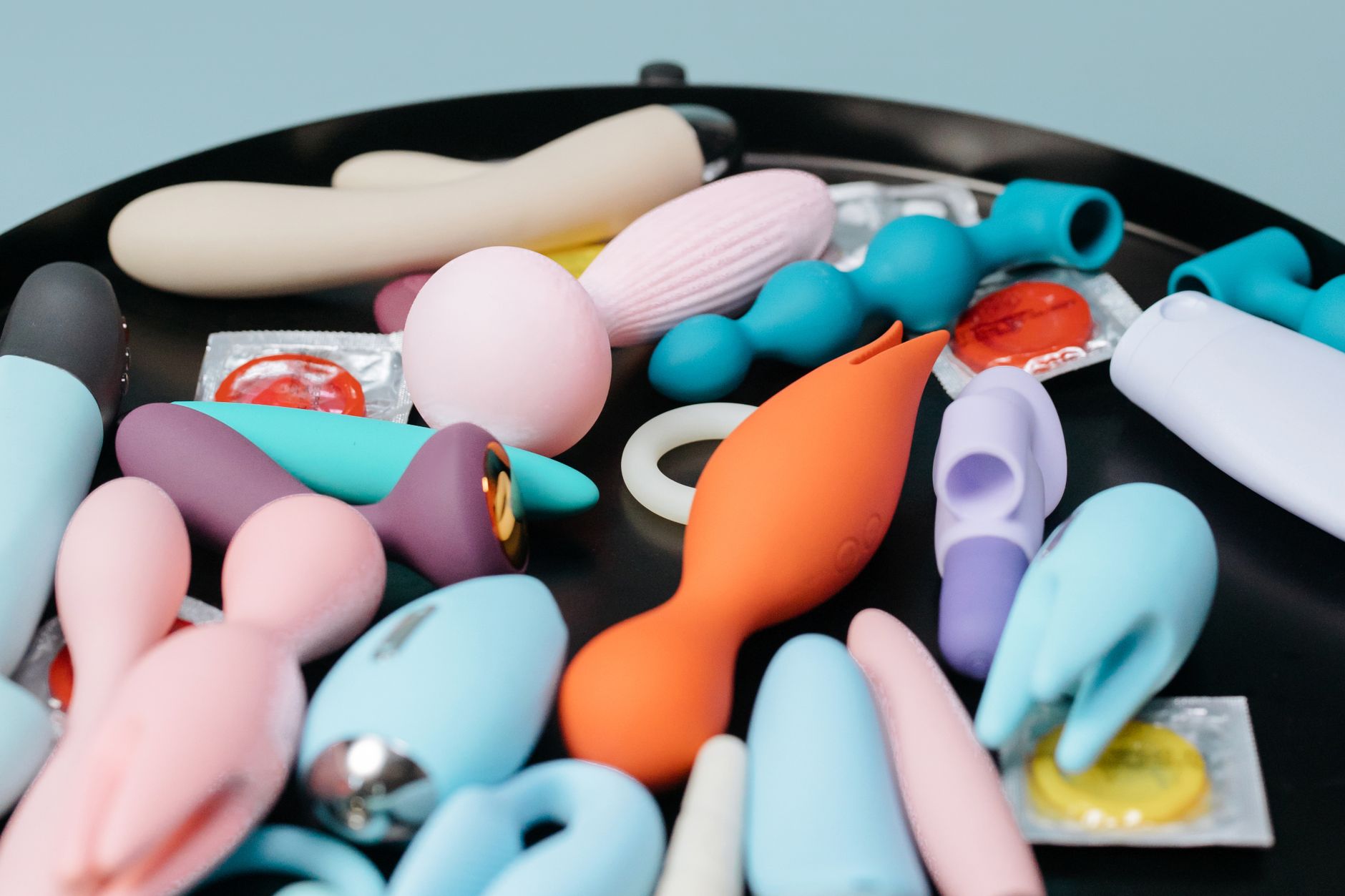
Photo by cottonbro studio on Pexels
The particular value of lemon vibrators for long-term bodies
After years with the same partner, you know their body like a map. You know where the sensitive spots are. You know what angle works. That familiarity is one of the great gifts of long-term intimacy. But it can also mean you stop learning.
Lemon clitoral vibrators, especially the suction type, create new pathways through that familiar geography. You can learn that a spot you thought was only moderately sensitive becomes incredibly responsive to suction. You can discover that intensity matters less than rhythm. You can find that orgasms feel different depending on which intensity level you're using.
This isn't about fixing a problem. It's about deepening an already established intimacy by refusing to let it get boring. That refusal is what keeps long-term relationships alive.
When to bring a lemon vibrator back into the mix
Some couples use one every time. Some use it once a month. Some introduce it again after a few months of sex feeling flat. There's no right frequency. What matters is noticing when the pattern has calcified again and being willing to disrupt it.
If you find yourself having sex on autopilot, that's a sign. If you're not mentioning what you want anymore, that's a sign. If your partner seems distant during sex, that's a sign. None of these are emergencies. They're just invitations to do something different.
As a couples therapist, I've seen lemon vibrators do more to restart intimacy in long-term relationships than almost any other single intervention. Not because they're magical. Because they require collaboration. They require communication. They require you to admit that after years together, you still want to feel something new.
That admission is where the real work starts.
FAQ: Lemon vibrators for long-term couples
Will using a vibrator make my partner feel inadequate?
Not if you frame it right. The conversation isn't "you're not doing it right." It's "I want to feel this with you." Invite them in. Make it a shared experience, not a critique. Most partners feel relieved that you're willing to ask for what feels good rather than suffering in silence for another decade.
Should we use a lemon vibrator solo first, or jump straight to together?
There's no rule. Some people want to explore how it feels on their own first. Some want the first experience to be shared. If you're nervous about your partner's reaction, exploring solo first can help you understand what you're introducing, and that confidence comes through.
How often should we use a lemon vibrator to keep things interesting?
Frequency doesn't matter. Surprise matters. Some couples use it every week. Some use it monthly when sex starts feeling routine again. The goal isn't habit. It's intentionality. When you choose to bring a vibrator into bed, you're both signaling that this matters to you. That signal works whether you do it twice a month or twice a year.
Is it weird to use a lemon vibrator if we're already comfortable with sex?
Actually, it's the opposite. Couples who are already comfortable with each other often find it easier to experiment, because there's less shame. You already know and like each other. Adding a tool doesn't threaten that. It extends it.
What if my partner isn't interested in using a lemon vibrator?
Respect that. Not everyone wants to introduce toys, and that's a valid choice. What matters is that you asked, they said no, and you both know where the other stands. That honesty itself improves the relationship. If it's something you really want, you can explore it solo, or you can have a deeper conversation about why they're hesitant. Sometimes there's a myth you can clear up. Sometimes they just prefer simplicity. Both are okay.
Do we need to try lemon vibrators if we're already having good sex?
Not at all. If your sex life is genuinely satisfying and you're both enjoying it, there's no obligation to add anything. That said, curiosity is free. Even couples in great sexual relationships sometimes wonder what it would feel like to try something new. Lemon vibrators aren't a fix for a broken relationship. They're an option for couples who want to stay curious about each other.
Will it take longer to have orgasms if we use a lemon vibrator regularly?
Some people find that introducing a new sensation means it takes a few minutes to recalibrate what their body expects. That usually settles after a few uses. Your nervous system adapts. And honestly, if sex takes a little longer because you're both more engaged and present, that's not a downside.
The thing about long-term love
After years with the same partner, comfort is real. Comfort is also, sometimes, the enemy of pleasure. The work isn't to destroy the comfort. It's to weave novelty back into it. To tell your partner, after all this time, that you still want to feel something new with them.
A lemon vibrator is just a tool. What it actually does is give you both permission to want more from sex than routine. To be curious again. To stay alive in each other's bodies instead of just cycling through the familiar.
That's the thing that actually lasts.
If you're wondering whether this could work for your relationship, the answer is probably yes. The harder part isn't finding the right tool. It's admitting that you want things to stay interesting. <a href="/en/blog/how-to-use-lemon-vibrators-when-partners-have-different-arousal-speeds">Learning how to navigate different desires with a partner</a> is exactly what long-term couples struggle with, and there's no shame in seeking new approaches. The willingness to try is what counts.
If you want to talk through what might work for your specific situation, <a href="/contact">reach out</a>. That's what I'm here for.