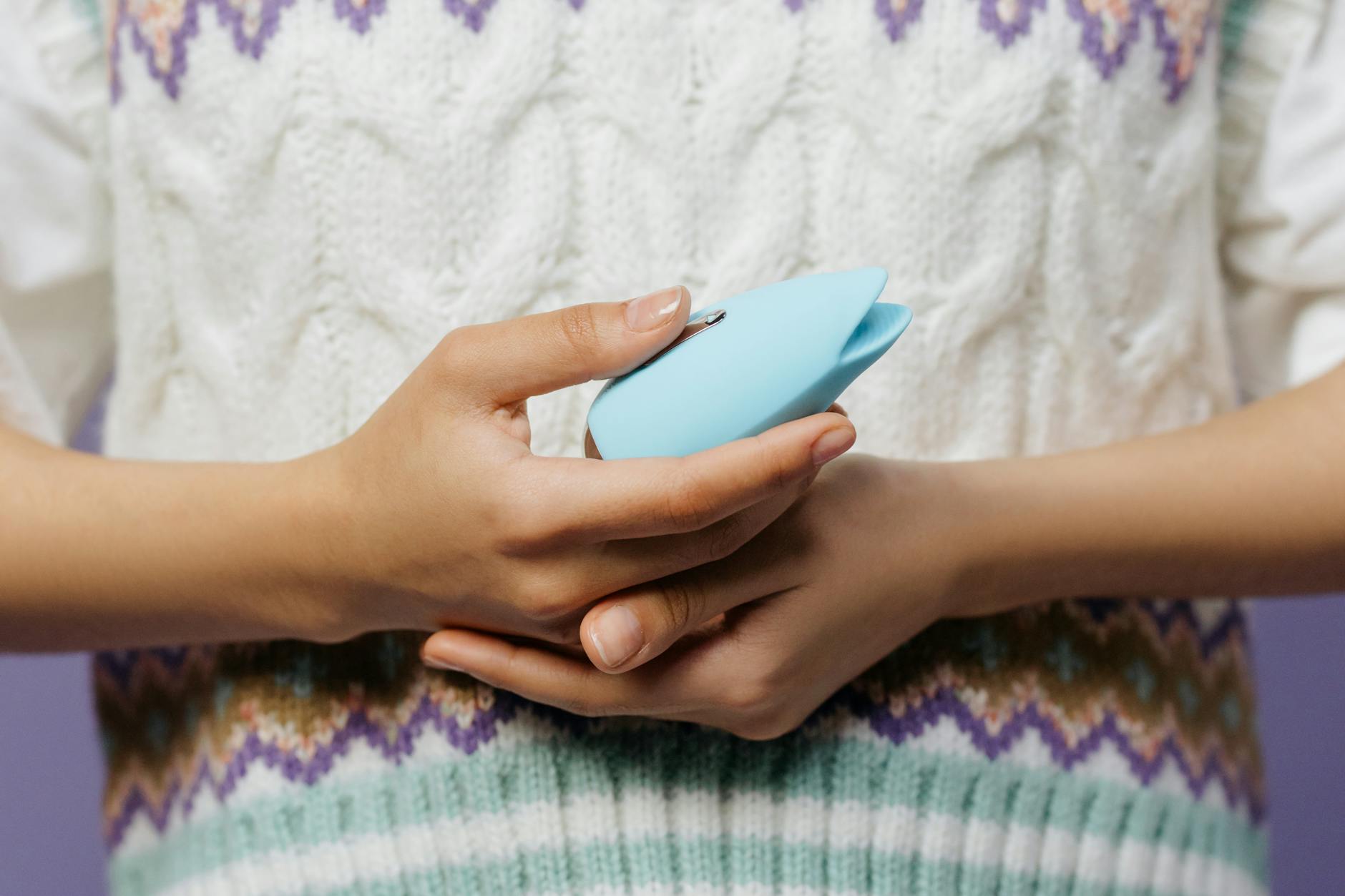
Let's start with the real talk
Air-pulse clitoral vibrators feel wildly different from traditional vibrators, and that difference isn't always comfortable at first. The sensation of suction combined with rhythmic pulses can feel too intense, too scattered, or just plain wrong on sensitive tissue. If you've tried a lemon vibrator or similar air-pulse toy and felt overwhelmed, you're not alone, and you're not broken.
Here's what's actually happening: air-pulse toys create a gentle vacuum that stimulates a larger area of nerve endings all at once. That's what makes them so effective for many people, but it also means the intensity profile is completely different from a traditional vibrator. You can't just switch from a standard toy and expect the same sensation at the same power level.
The good news? You can absolutely adapt. I've worked with dozens of clients who found air-pulse suction too intense at first and went on to have some of their most powerful orgasms with tools like the Lem vibrator once they learned how to approach them properly.
Why air pulse feels different (and sometimes too much)
Most traditional vibrators use oscillating motors to create rapid back-and-forth movement. You control intensity by adjusting the vibration frequency. Simple, straightforward, predictable.
Air-pulse toys work on a completely different principle. They use rhythmic suction pulses to create a sensation that's less about direct vibration and more about pressure waves. The contact area is wider, the sensation is more diffuse, and the intensity builds differently.
Three reasons this might feel overwhelming:
1. Wider stimulation surface. Your clitoris has about 8,000 nerve endings concentrated in a small area. A traditional vibrator targets that densely packed spot directly. Air-pulse suction engages a broader tissue area, which can feel like stimulation overload if you're used to point-focused pressure.
2. Pressure sensation instead of friction. Vibration is friction. Suction is pressure. Your nervous system processes these as distinct sensations, and if you've spent years with one, switching to the other requires recalibration. It's like switching from a pencil to a paintbrush and wondering why the pencil tip feels too wide.
3. Cumulative effect. The rhythmic pulses of air-suction toys don't fade between pulses the way vibration does. Each pulse builds on the last one. If you start at a mid-range setting, the cumulative pressure can escalate faster than you're expecting.
Start lower than you think you need to
Most air-pulse toys have a range of intensity settings. The mistake I see constantly is people jumping to level 3 or 4 because they're used to using medium intensity on traditional vibrators. That's like turning a new shower to what felt comfortable at your last place. Different systems, different baseline.
Start at level 1. Seriously. Not for 30 seconds and then cranking it up because "nothing's happening." Spend 3-5 minutes at the lowest setting. Let your body learn what the sensation actually is. You're not trying to orgasm yet. You're mapping the experience.
At level 1, air-pulse toys create a gentle, almost tender sucking rhythm. Many people describe it as surprising because it's so subtle. But that subtlety is doing important work. Your clitoris is receiving stimulation without being overwhelmed, your nervous system is learning the sensation, and your tissue is getting used to the different kind of touch.
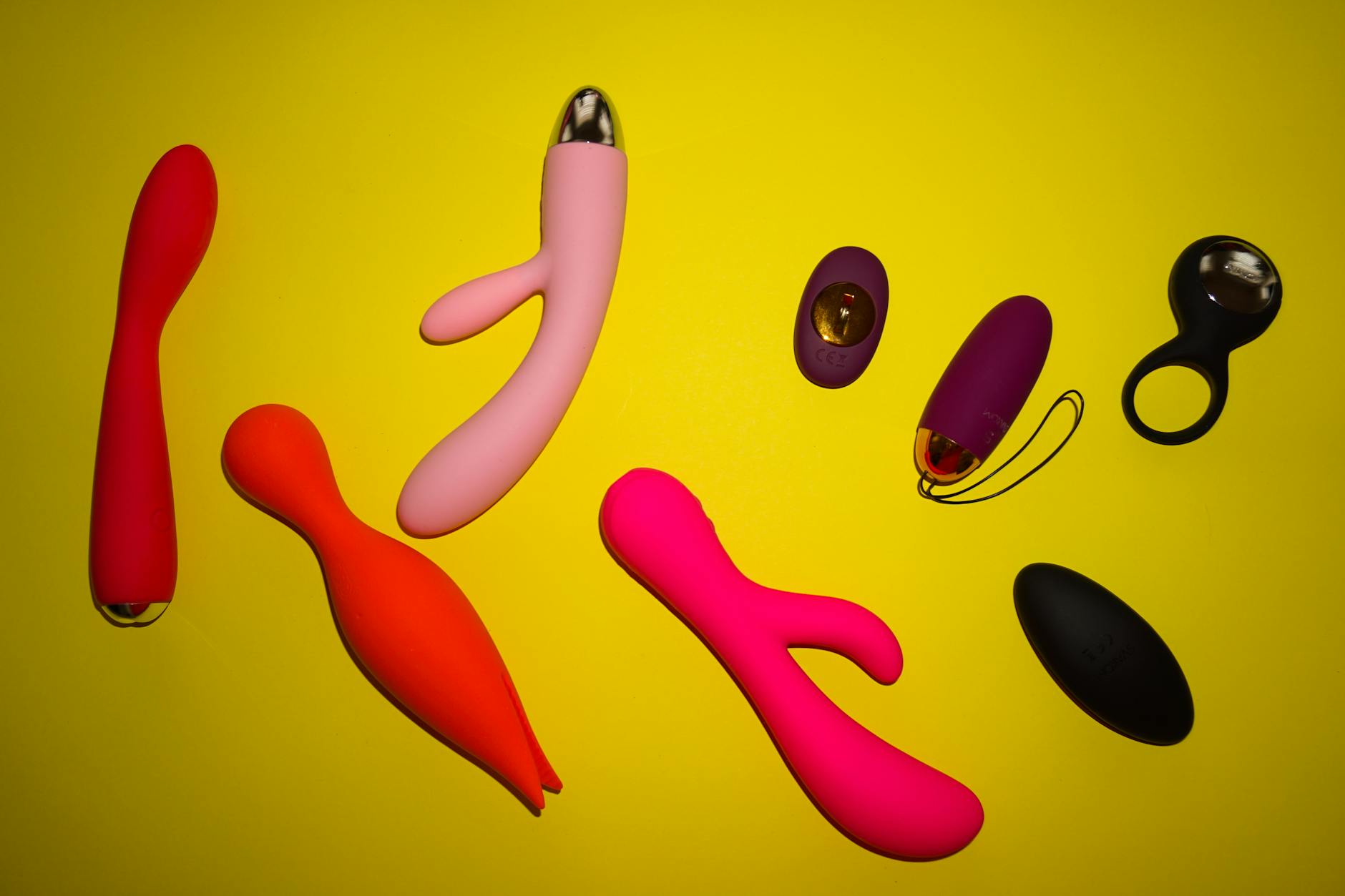
Photo by FounderTips on Pexels
Build from the ground up
Once you're comfortable at level 1, the goal is to gradually increase intensity rather than jump. Here's the progression I recommend:
Spend at least 2-3 sessions at each level before moving up. A session might be 10-15 minutes of exploration. The goal isn't orgasm on a timeline, it's nervous system adaptation. Your body is learning a new type of stimulation, and that takes time.
Level 1-2: Get familiar with the sensation. Notice how the pulse rhythm feels. Notice where on your clitoris you like the cup positioned for maximum comfort. You might find that centering the hood over the opening feels better than direct contact. You might prefer contact with the side of your clitoris rather than the tip. This exploration matters.
Level 3-4: Now you're building intensity gradually. You'll probably notice that the cumulative effect of the pulses creates deeper sensation. This is where many people start to feel actual arousal building. Your body is recognizing the stimulus as pleasurable rather than just novel.
Level 5+: Once you're here, you're genuinely adapted to air-pulse stimulation. What felt overwhelming at level 3 now feels just right. This is usually where people find their most consistent, intense pleasure.
Positioning changes everything
One of the biggest underestimated variables is how the toy contacts your clitoris. With traditional vibrators, there's less room for variation. With air-pulse toys like the Lem vibrator, positioning is crucial to comfort.
Direct hood contact feels very different from direct clitoral glans contact. Many people find that starting with the toy positioned over the clitoral hood, which creates suction around the entire clitoral structure rather than directly on the most sensitive spot, feels less intense and more approachable.
You can also tilt the toy slightly so the edge of the cup makes contact rather than the full opening. This reduces the total surface area of suction and makes the sensation more concentrated but often paradoxically less overwhelming because you're exerting some control over the contact zone.
Spend time experimenting with millimeter shifts in position. The difference between "this is too much" and "this is perfect" might be moving the toy a quarter-inch in any direction.
The lube factor matters more than you'd think
You might think that adding lubrication would make stimulation feel more intense. Actually, the opposite is often true. A small amount of water-based lubricant between your skin and the toy cup can reduce friction and make the sensation feel smoother and less sharp.
If air-pulse stimulation feels like too much direct pressure, try a tiny bit of lube around the rim of the cup. Not so much that the seal breaks, but enough to create a gliding sensation rather than a grabbing one. This shifts the feeling from vacuum-like pressure to more of a rhythmic massage.
Start with less than you think you need. You can always add more, but you can't take it back mid-session.
Pattern variation beats intensity alone
Lemon vibrators and similar clitoral vibrators come with multiple pulse patterns. Most people jump straight to intensity without exploring pattern variation. This is a missed opportunity.
A pattern with longer pauses between pulses creates less cumulative pressure even at the same intensity level. A pattern that mimics a specific rhythm (like waves or heartbeats) can feel more pleasurable and less overwhelming than a steady pulse.
If level 2 intensity feels too intense on the steady pulse pattern, try the same level on a pattern with more space between pulses. You might find that pattern 3 at level 2 feels perfect, even though pattern 1 at level 2 felt like too much.
You're not looking for one magic setting. You're looking for the combination of intensity, pattern, and positioning that your nervous system responds to with pleasure rather than resistance.
When to give up and when to persist
There's a real difference between "this doesn't feel good yet" and "this will never feel good to me."
Give any new approach at least 3-4 full sessions before deciding it's not working. Your nervous system needs time to recalibrate. What felt weird on session one often feels normal by session four.
That said, if after a month of patient exploration air-pulse stimulation still feels overwhelming or unpleasant, that's valid information. Not every toy works for every body. You might genuinely prefer traditional vibration, and that's completely fine.
But if there's curiosity underneath the discomfort, if you find yourself wondering whether you could learn to enjoy it, then the gradual approach described here is worth the patience.
FAQ: Common questions about air-pulse intensity
Why does my lemon vibrator feel stronger than my friend's seems to?
Clitoral sensitivity varies widely based on tissue thickness, nerve density, hormonal cycles, medications, and even how aroused you are. You might have denser nerve packing in your clitoral tissue, which means the same intensity registers as more intense for you. It's not a defect. It's actual neurological variation. Adjusting settings to match your body's reality is the whole point.
Can I damage my clitoris by using too much suction?
Suction toys are designed with safety margins, but yes, if you use extremely high intensity for extended periods on already sensitive tissue, you can create temporary numbness or soreness. That's your body's signal to ease up. Think of it like sunburn. It's not permanent damage, but it means you went too far. Using lower intensities for longer durations is safer and often more pleasurable than high intensity in short bursts.
Will my body eventually get used to higher intensities?
Yes, but that's different from needing to chase higher intensities to feel pleasure. Habituation is normal. What helped is that you might discover after months of use that you genuinely enjoy level 5 even though level 2 used to feel perfect. But you don't have to keep escalating. Many people find that their favorite settings stay consistent. Follow your body's feedback, not an imaginary progression.
Does water-based lube actually help with overstimulation?
It can, but it depends on why the overstimulation is happening. If it's a pressure issue, yes, lube helps. If it's a sensation issue, lube might not make much difference. Experiment with and without. You'll know pretty quickly whether it changes the experience.
What if I only like lower intensity settings?
Then you've found your preference. There's no prize for using the highest settings. Some of the most satisfying orgasms come from sustained stimulation at level 2 or 3. Pleasure isn't a speed race. If lower intensity feels best, that's your answer.
Can I use a lemon vibrator if I have a very sensitive clitoris?
Yes, by starting low and building slowly. Air-pulse toys often feel gentler to very sensitive tissue than traditional vibrators because the suction distributes pressure across a wider area rather than concentrating it in one point. But start at level 1 and stay patient. Many people with high sensitivity find air-pulse toys more comfortable once they've adapted.
The bigger picture
Learning to use an air-pulse toy is not about conquering it or proving you're sexually advanced. It's about understanding your own body's preferences and responding to them with patience instead of forcing yourself toward an intensity that doesn't feel good.
If you're interested in exploring clitoral vibrators more deeply, or if clitoral sensation feels muted overall, those are separate conversations worth having.
Your pleasure matters. Which means the way your body actually responds matters more than any setting, intensity, or toy design. Start low, move slowly, and trust what you feel.
If you have questions or want personalized guidance on finding your ideal approach, reach out at /contact. That's what I'm here for.