Let's be honest about what lubrication can't fix
You bought the good water-based lube. You applied it generously. And it still doesn't feel right. Not bad, exactly, but like you're working against something rather than with something. That feeling is real, and it's not a sign that something's wrong with you.
Lubrication alone addresses one problem: mechanical friction. It's a surface solution for a surface symptom. But when dryness persists despite lube, you're usually dealing with something deeper. Tissue thinning. Reduced blood flow to the clitoris. Hormonal shifts that affect how responsive your body is to stimulation. Sometimes it's medication side effects. Sometimes it's just how your particular nervous system is wired. Understanding which layer the problem lives on changes everything about how you use a lemon vibrator.
Why lube works for some situations and not others
Water-based lubricant helps when the issue is simple friction between toy and skin. It reduces drag, which feels better immediately. But lubrication does nothing for tissue elasticity. It can't increase blood flow to your clitoris. It can't make your nerve endings more responsive. And if your dryness is hormonal or vascular rather than mechanical, adding more lube is like putting a nicer doormat in front of a locked door.
There's also the reapplication problem. Water-based lube absorbs into your skin and evaporates. You might need to reapply every few minutes during a longer session, which breaks rhythm and attention. Silicone-based lubes last longer but can degrade silicone toys, so you're stuck with either frequent breaks or material compromise.
Here's the part they don't mention in lube reviews: sometimes your body simply isn't producing enough natural lubrication because there's a vascular issue, a hormonal issue, or a nervous system issue happening underneath. That's when lemon vibrators become smarter than lube alone.
How air-suction toys work differently when lube isn't solving it
Lemon vibrators use suction rather than direct vibration. That changes the physics entirely. Suction pulls blood into your clitoris, which increases sensitivity and responsiveness from the inside out. You're not trying to stimulate tissue that's already dry and less responsive. You're using suction to actively restore some of the blood flow and engorgement that dryness usually suppresses.
When you're using lubrication with a traditional vibrator on dry tissue, you're trying to create comfort through external application. The toy touches your skin, lube reduces friction, and that's the entire interaction. With a lemon clitoral vibrator, you're creating a gentle seal that lets suction do metabolic work. The tissue swells. Sensitivity increases. What felt numb or distant becomes more present.
This is why many people find that even though lube didn't fully solve their comfort problem, a lemon vibrator sometimes does. You're not just reducing friction anymore. You're changing how your body is responding at a physiological level.
The technique that actually helps when standard lube approaches fail
If you're in the position where lube isn't enough, here's what changes:
Start with less intensity, not more lube. Your instinct might be to add another layer of lubrication. Resist that. Instead, begin on pattern 1 or 2 of your lemon vibrator at very low suction. Let your body adjust. Many people find that as the suction brings blood into the tissue, sensitivity actually increases, and you'll want lower intensity, not higher.
Apply lube inside the cup, not just around it. A small amount of water-based lubricant inside the suction cup creates a better seal and reduces any micro-friction points. You don't need much. Too much lube actually weakens the seal and reduces the suction effect.
Build time into the session. When tissue is dry or less responsive, arousal takes longer. Budget 15-25 minutes for warm-up before you even introduce the toy. Breathing, touch, imagination, whatever gets your nervous system engaged. This isn't wasted time. This is the actual work that makes the lemon vibrator effective.
Focus on patience with sensation return. When dryness has been persistent, your clitoris sometimes becomes less innervated or less responsive temporarily. Using a lemon vibrator gently and consistently can help restore that responsiveness. But that restoration happens over sessions, not in a single session.
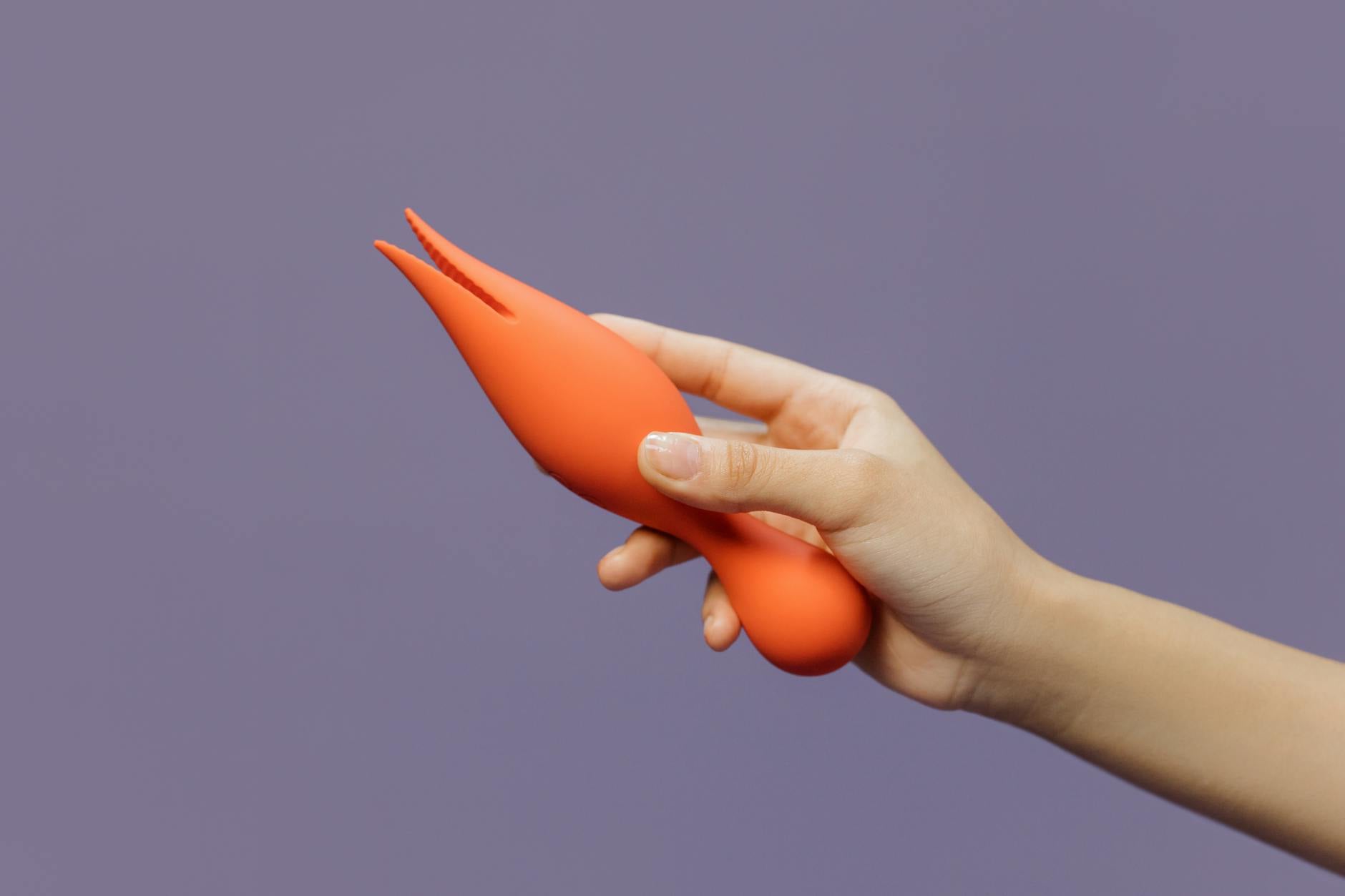
Photo by cottonbro studio on Pexels
When the problem isn't lubrication, it's medication
Dozens of medications trigger dryness and reduced genital responsiveness as a side effect. Antihistamines. SSRIs. Blood pressure medications. Hormonal birth control. Some people don't realize the connection because the symptom shows up gradually, so it feels like a normal change rather than a drug side effect.
If you started a new medication within the last few months and your dryness is new, that's worth raising with your doctor or pharmacist. Sometimes there's a different medication in the same class that won't trigger dryness. Sometimes the benefit of the medication outweighs the dryness, and you just need a better approach to pleasure. Either way, naming the source helps.
When medication is the culprit, lemon vibrators still help, but you're managing a chronic thing rather than solving a temporary thing. The pattern approach becomes your routine rather than your backup.
Vascular and hormonal reasons lube isn't enough
Your clitoris is a vascular organ. It needs blood flow to become engorged and responsive. When that blood flow is compromised, lube can't restore it. Common reasons for reduced clitoral blood flow include hormonal shifts, certain medications, smoking, cardiovascular changes, and some forms of stress or anxiety that create chronic tension.
If you've had your hormones checked and they're fine, and you're not on medications known to cause dryness, the issue might be vascular. This isn't something you can feel directly, but you notice it in symptoms: tissue that stays relatively flat, reduced sensation, and that persistent dryness that lube only partially helps with.
A lemon vibrator's suction mechanism is particularly useful here because it forces blood into the tissue mechanically. You're doing the cardiovascular work that your body isn't doing on its own right now. Regular use can help train your body's response and can also feel better in the moment because of how the suction engages the tissue.
The lubrication strategy that actually complements air-suction toys
If you're going to use lube with a lemon vibrator, use it strategically rather than generously.
A tiny amount inside the cup: helps create a seal, reduces any micro-friction.
Nothing on your clitoris directly: the suction cup covers the area, and external lube interferes with the seal. Wipe your clitoris dry before you position the cup.
Re-lubricate the cup between patterns: if you're moving from pattern 1 to pattern 3 or switching modes, a fresh micro-application inside helps. But you're not reapplying because the original application wore away. You're reapplying because the physics of suction works better with that thin seal.
Consider silicone lube for longer sessions if it's compatible: some lemon vibrators are silicone (check your manual). If yours is, silicone-based lube lasts much longer than water-based, which means fewer interruptions and better focus. If your toy isn't silicone-compatible, stick with water-based and plan for re-application as part of your session rhythm.
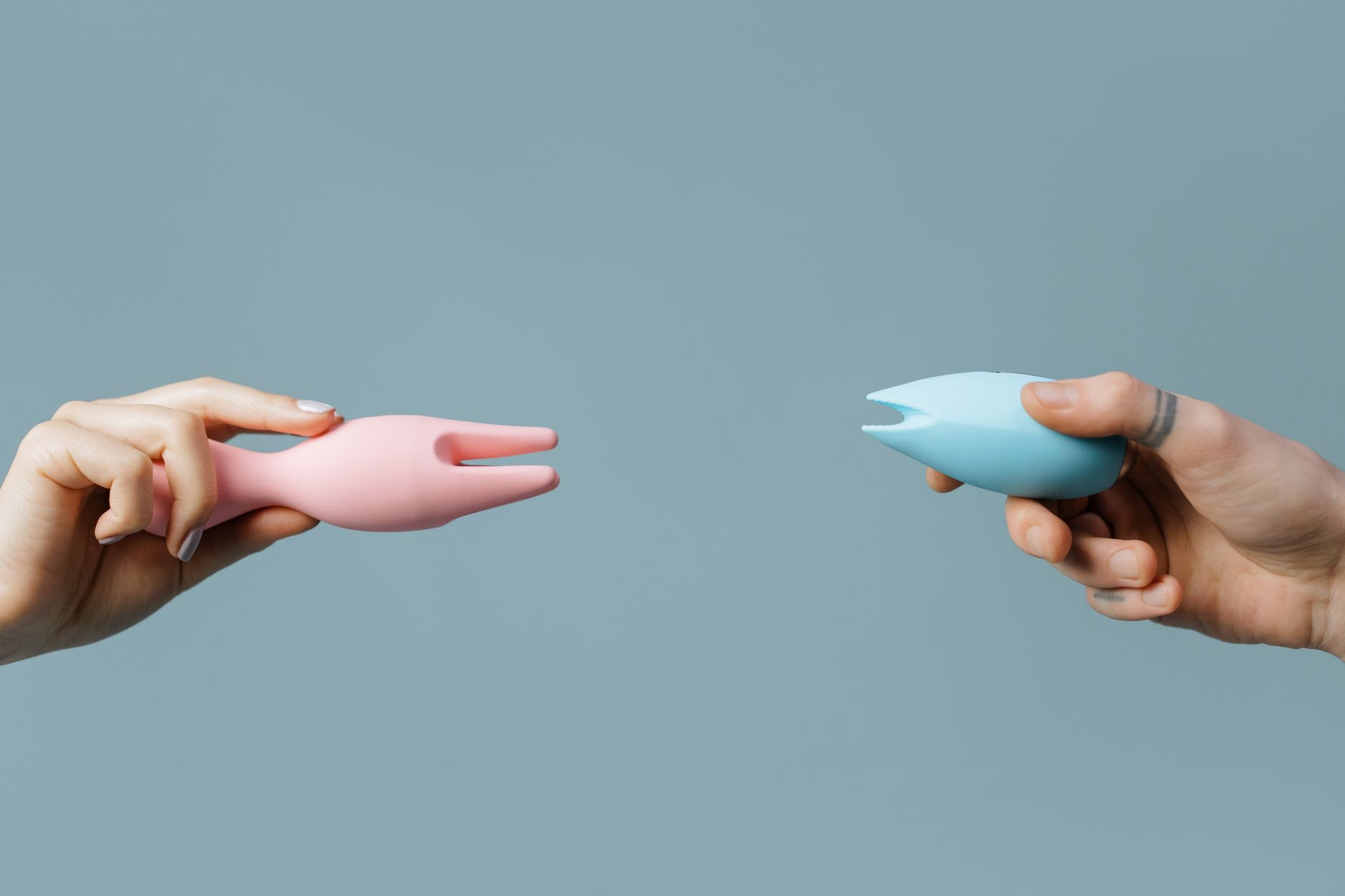
Photo by cottonbro studio on Pexels
When dryness is actually about tension, not tissue
Here's something that surprises people: sometimes the dryness feeling is actually pelvic floor tension masquerading as dryness. Your pelvic floor muscles clench, which reduces blood flow to the area and makes everything feel tight and dry. Lube helps briefly, but the tension comes back because the underlying problem is muscular, not lubricational.
If you notice that the sensation of dryness is accompanied by tightness or a sense of restriction, pelvic floor work might be the real solution. This could mean relaxation exercises, breathing practices, or even professional pelvic floor physical therapy. A lemon vibrator can still help because the suction and gentle stimulation encourage your pelvic floor to relax, but the primary fix is learning to release the tension.
When to talk to a doctor instead of buying more lube
Persistent dryness that doesn't improve with lubrication and adjusted technique sometimes indicates a medical issue worth investigating. Genitourinary syndrome of menopause. Hormonal imbalances. Yeast infections that create ongoing irritation. Autoimmune conditions. None of these are moral failures. All are treatable.
If your dryness appeared suddenly, is accompanied by pain, itching, or discharge, or if it's gotten worse over weeks despite trying different approaches, that's a conversation for your doctor. A lemon vibrator is a great tool for pleasure and intimacy, but it's not a treatment for underlying medical conditions.
People also ask
Can you use a lemon vibrator if you have severe vaginal dryness?
Yes, but with adjustments. Start on the lowest intensity setting and take time building arousal before using the toy. The suction mechanism of lemon vibrators can actually help restore blood flow and responsiveness when dryness is an issue. Apply a small amount of water-based lubricant inside the suction cup, not on your clitoris directly, to optimize the seal. If dryness is severe enough that penetration or external touch causes pain, talk to your doctor before using any toy.
Does lubrication make lemon vibrators work better?
A tiny amount of lube inside the cup helps create an optimal seal for suction, but too much actually reduces the suction effect. Unlike traditional vibrators, lemon clitoral vibrators don't rely on lubrication for their primary function. The suction does the work. A small amount just helps with the mechanics of the seal.
Why does dryness persist even after using lube for months?
Because lubrication is a surface solution. It addresses friction but not the underlying causes of dryness: hormonal changes, medication side effects, reduced blood flow to genital tissue, or pelvic floor tension. If dryness is hormonal, you might need topical or systemic hormone therapy. If it's medication-related, talk to your doctor about alternatives. If it's vascular, tools like lemon vibrators that encourage blood flow can help alongside other approaches.
Is dryness during arousal a sign something is wrong with me?
No. Genital dryness happens for dozens of reasons unrelated to desire or your capacity for pleasure. Hormonal shifts, medications, stress, age, health conditions, and even how you're breathing all affect lubrication. The fact that you're seeking solutions shows you care about your pleasure. That's what matters.
Can medication cause dryness that lube can't fix?
Absolutely. Antihistamines, SSRIs, blood pressure medications, and some forms of hormonal birth control are common culprits. If your dryness coincided with starting a new medication, mention it to your doctor or pharmacist. There might be alternatives in the same medication class that don't trigger dryness. If the medication is essential and the dryness is a necessary trade-off, that's important to name and then work with.
How long does it take for a lemon vibrator to help with dryness-related sensitivity issues?
Immediate comfort often improves within the first few uses because suction increases blood flow and sensitivity. But full restoration of responsiveness that's been dampened by chronic dryness takes weeks of consistent, gentle use. Think of it like retraining your nervous system's response rather than applying a one-session fix.
Moving forward with what actually works
When lube alone isn't solving your comfort problem, the issue usually isn't that you need a better lubricant. It's that you need a different approach. Lemon vibrators, with their suction-based stimulation, work through a completely different mechanism than traditional vibration. They encourage blood flow, restore responsiveness, and often feel better on tissue that's been struggling with dryness.
This isn't about pushing past discomfort or forcing pleasure. It's about using a tool that actually matches what your body needs right now. If you want to explore how a lemon vibrator might work for you, start gentle, take your time, and notice what changes. Your body will tell you what works.
If you have questions about which approach might work best for your situation, reach out to our team. We're here to help you find what actually works for your body, not what marketing says should work.