Here's the thing nobody says out loud
One partner is aroused and ready. The other is still somewhere in their head, thinking about emails. This happens in most long-term relationships at some point. The faster person starts to feel rejected. The slower person feels pressured. Nobody's wrong. The chemistry is just different. And it gets worse when you try to force it.
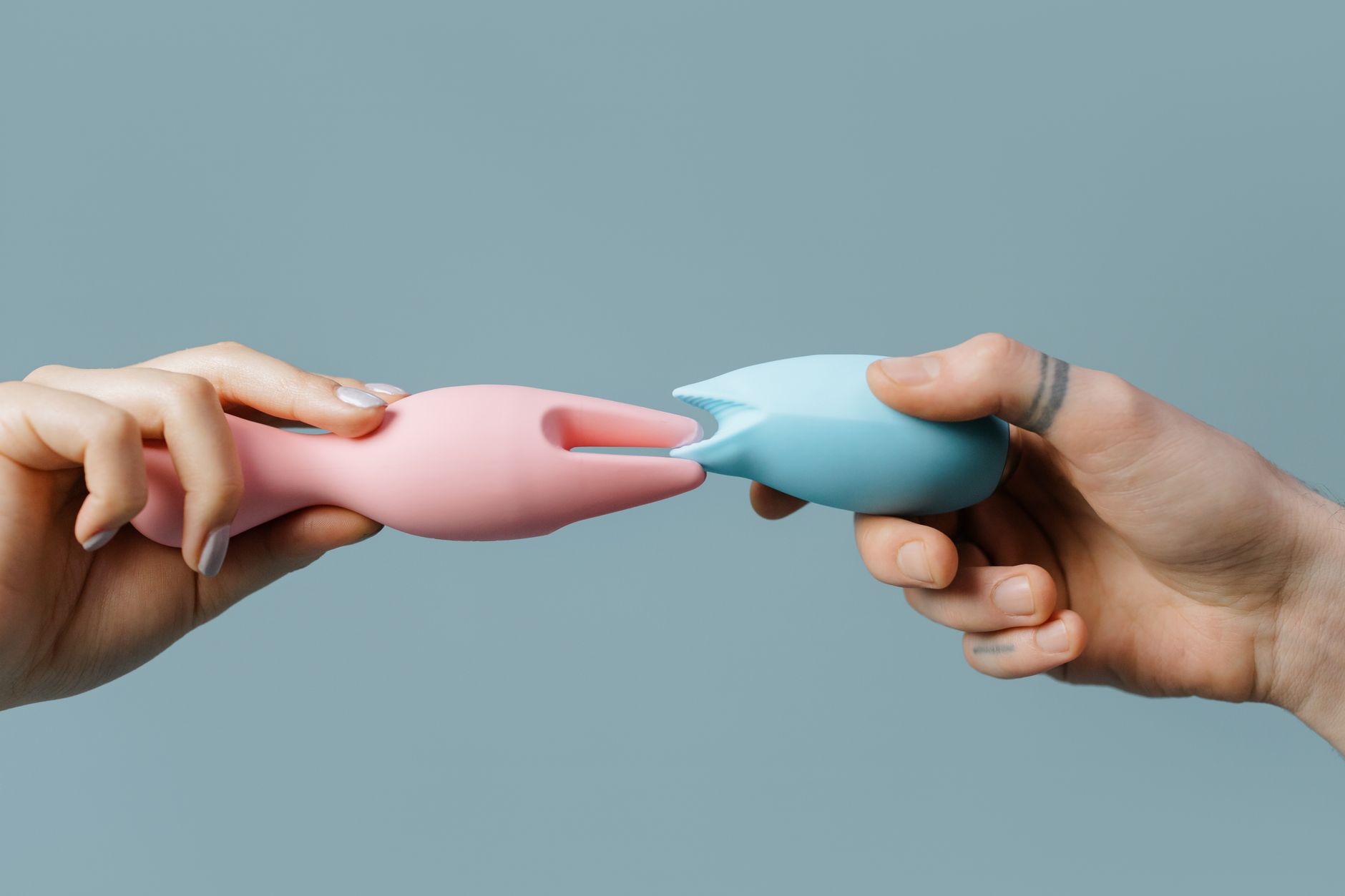
Lemon vibrators and clitoral suction devices like the Lem are specifically designed to bridge this gap without turning it into a problem. Not because they're magic, but because they shift the dynamic from "one person waiting for the other" to "two people engaging in parallel pleasure."
Why arousal speed mismatch happens
First, let's be honest about the biology. Arousal isn't the same across all bodies, and it's definitely not the same across all partners. Some people get physically aroused in ninety seconds. Others need fifteen or twenty minutes of sustained mental or physical stimulation. Neither is better. Neither is a personal failure. It's just how nervous systems work.
Hormones play a role. So do stress levels, medication side effects, relationship dynamics, and whether you're thinking about work. But here's what matters for your sex life right now: if one partner is ready before the other, you've got a few bad options and one good one.
The bad options are pressure ("Can we just start?"), resentment ("You're never in the mood"), or one person faking arousal to keep the peace. None of those end well.
Why traditional vibrators often make it worse
Standard bullet vibrators and wand massagers feel good solo. But during partner sex, they can become a band-aid on a fundamentally unresolved problem. The faster-aroused partner uses it to get off while the slower partner watches. Or the slower partner uses it while the faster partner waits. Either way, you're back in parallel play without actual connection.
Worse, some people feel self-conscious using a vibrator with a partner present. It can feel clinical instead of intimate. Pressure builds. The whole thing collapses into "we need to fix this" conversations that miss the real issue: you're trying to force two different nervous systems onto the same timeline.
Lemon vibrators work differently because they don't feel like compromise. They feel like pleasure.
How lemon clitoral vibrators shift the dynamic
A lemon vibrator like the Lem uses air-suction stimulation instead of traditional vibration. That's not just a gimmick. It changes how pleasure scales and how couples can move together.
Here's the practical difference: with a standard vibrator, intensity jumps from zero to overwhelming pretty quickly. Either it works for you or it doesn't. With suction-based clitoral vibrators, the sensation is gentler to begin, which means arousal can build more gradually. For the slower-aroused partner, this is huge. It means fifteen minutes of progressively deeper pleasure instead of ten minutes of "waiting for this to do something."
For the faster-aroused partner, it means you're not bored. You're actively engaged in watching your partner's pleasure build. That's different from waiting. That's foreplay.
Four ways to use a lemon vibrator when you're on different timelines
The parallel start. You both begin at the same time, but at different intensities. The faster-aroused partner might be on pattern five of the Lem while the slower partner is on pattern two. You're building toward the same place, just at different speeds. This removes the "one person waiting" dynamic entirely.
The warm-up solo play. The slower-aroused partner uses the lemon vibrator alone for ten to fifteen minutes before any partnered contact. This isn't separate. Your partner is present, usually touching, kissing, or just talking. The Lem is doing the work of arousal while your partner is doing the work of connection. Then you transition to partner contact when you're actually ready. No faking. No pressure.
The built-in foreplay. Start with lemon clitoral vibrators as part of your foreplay routine, not as an emergency fix. This normalizes it as a tool you both enjoy, not something you reach for when one person is "failing" to get aroused. A fifteen-minute session with the Lem becomes part of what you do together, like oral sex or hand play. No shame. No speed competition.
The layered sensation. Once the slower partner is properly aroused, switch to partnered contact while still using the lemon vibrator. This isn't replacement. It's addition. The Lem keeps clitoral stimulation consistent while your partner provides vaginal penetration, oral contact, or hand play. Most people find this combination is what pushes them over the edge. The faster partner gets to be actively inside the experience. The slower partner gets the dual stimulation that actually works for them.
The conversation you need to have first
None of this works if you're doing it out of desperation or resentment. You need to actually agree that your arousal speeds are different and that's fine.
Here's what I tell couples in my practice: "Speed mismatch isn't a failure. It's information. Now we can plan for it instead of resenting it."
That conversation looks like this. When you're both calm and clothed (not mid-sex), say something like: "I've noticed we get aroused at different speeds. I don't think that's a problem. I think it's just how we're built. I want to figure out how we both actually enjoy ourselves instead of forcing the same timeline." Then you can actually talk about what that looks like.
Maybe it looks like dedicated foreplay time. Maybe it looks like using a lemon vibrator together. Maybe it looks like one partner going solo with toys while the other is present. The point is you're choosing it together instead of one person white-knuckling through it.
What you're actually solving for
When you use a lemon clitoral vibrator intentionally with a partner who has a different arousal speed, you're not just making sex feel better. You're solving three problems at once.
First, you're removing the shame and pressure. Arousal speed stops being a personal failure and becomes just a thing that's true about your body.
Second, you're extending the pleasure window. Instead of thirty minutes where one person is bored and one person is rushed, you get thirty minutes where both people are actually enjoying themselves.
Third, you're building intimacy through problem-solving. You're literally saying "I want your pleasure to be as good as mine" and then actually doing something about it. That matters more than you think.
Practical tips for actually doing this
Start with a lemon vibrator that has multiple intensity levels and patterns. The Lem is built for this because you can scale up or down without losing the sensation. Avoid single-speed toys when you're working with arousal mismatches. You need flexibility.
Use water-based lubricant. Clitoral vibrators work better with it, especially if you're planning on extended use. It also sends a signal that you're being intentional about this, not just rushing through it.
Build in communication. Not dirty talk (unless you like that). Just "Does this speed work?" or "I want to move to this pattern." It keeps you connected instead of disappearing into your own experience.
Don't make it the only solution. A lemon vibrator is one tool. Sometimes what you actually need is more foreplay. Sometimes you need to have a real conversation about stress or medication side effects. Sometimes you need to see a sex therapist. The vibrator isn't the answer to everything. But it's a genuinely useful piece of the puzzle.
When to know it's working
You'll feel it when this clicks. Both of you will be actually present during sex. The faster person won't feel bored or impatient. The slower person won't feel rushed or inadequate. You'll finish at roughly the same time or close enough that nobody's just lying there waiting.
Most importantly, you'll stop talking about your arousal speeds as a problem. You'll just talk about what feels good. That's when you know the dynamic has actually shifted.
People also ask
Will using a vibrator make my partner feel like I don't need them?
No. The opposite usually happens. When you use a lemon vibrator together, it signals that you want to keep enjoying each other even though your timing is different. It's collaborative, not replacement. Most partners find it actually makes them feel more wanted, not less. If your partner is threatened by a vibrator, that's a separate conversation about insecurity. A vibrator doesn't cause that. It just reveals it.
What if my partner is the faster-aroused one and gets frustrated waiting?
That's valid. They're experiencing that gap too, just from the other side. The solution is the same: make it about parallel pleasure, not sequential pleasure. They could use a vibrator while stimulating you, or you could build in longer foreplay that includes toy use. The goal is making the wait time feel like part of the experience instead of dead space.
How long should I use a lemon vibrator for before having partnered sex?
There's no magic number. Some people need five minutes. Others need twenty. The point is you should feel genuinely aroused, not just physically stimulated. If you're using the Lem, start at a lower intensity level and give yourself permission to stay there for as long as you need. Pressure defeats the purpose.
Can I use a lemon vibrator during penetrative sex?
Yes. The Lem and other lemon clitoral vibrators are specifically designed to work during partnered sex. Most people find that clitoral stimulation during penetration is what makes orgasm actually possible. This is especially true if you're someone who needs consistent clitoral contact to reach orgasm.
What if we're embarrassed to buy a vibrator together?
Order it online. Hello Nancy ships discreetly. Then it's just sitting in your drawer, zero judgment. Most couples say the awkwardness of that first conversation is way worse than the reality of actually using it together. Once you've both touched it and know what it does, the weirdness goes away fast.
What if my partner doesn't want to try this?
Then you have a deeper conversation about why. Sometimes people are worried it means something about them. Sometimes they're uncomfortable with sex tools generally. Sometimes they just need time to warm up to the idea. You can't force someone into a sexual practice they're not ready for. But you also get to say "This would genuinely help me" and that matters. If you can't find a solution together, that might be worth exploring with a couples therapist who specializes in sexual dynamics.
The real payoff
Using a lemon vibrator when you and your partner have different arousal speeds isn't about fixing something broken. It's about being honest about how you're actually built and making space for both of you to enjoy yourself.
Most couples never talk about arousal timing at all. They just white-knuckle through it, and it breeds resentment. That's preventable. A lemon clitoral vibrator like the Lem becomes permission to slow down, build up at your own pace, and actually experience pleasure together instead of in sequence.
That's worth having the slightly awkward conversation for. Trust me.