Let's start with the mismatch nobody talks about
One of you could orgasm, rest for three minutes, and be ready to go again. The other just came and honestly needs a nap. This isn't a malfunction. It's biology. And it's way more common than couples realize. The person with the longer refractory period (the time between orgasm and being ready for arousal again) often feels guilty for "holding things up," while the faster-recovering partner either rushes back into stimulation or shuts down to avoid the awkwardness.
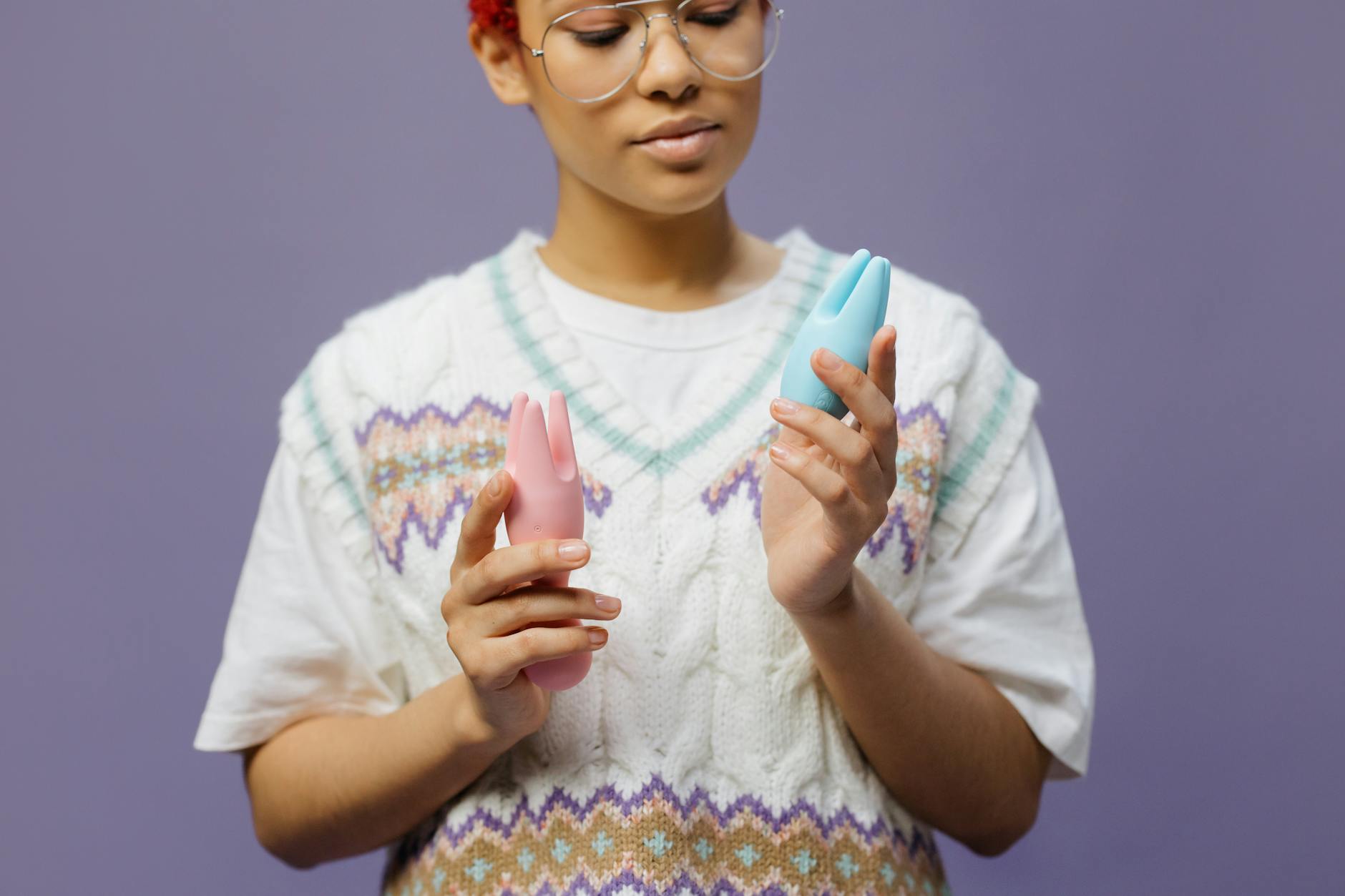
With clitoral vibrators like the ones from Lemon Vibrator, you have a tool that transforms this timing mismatch into something closer to rhythm.
What refractory periods actually are
A refractory period isn't about desire. It's about physiology. After orgasm, the clitoris becomes temporarily hypersensitive, blood flow stabilizes, and the nervous system resets. For some people this takes 90 seconds. For others it's 30 minutes or longer. Age, hormones, baseline sensitivity, and even arousal context all shift this window.
Here's what matters for couples: one partner's refractory period isn't a problem to fix. It's a rhythm to work with. The solution isn't to make the slower-recovering partner speed up. It's to give the faster-recovering partner something pleasurable to do while the other person recovers.
This is where lemon clitoral vibrators change the conversation.
The architecture of taking turns
Instead of simultaneous stimulation (the fantasy everyone assumes is the goal), think of pleasure as something that flows between you. Here's a structure that works:
After your faster-recovering partner comes, they pause. Their refractory period is short, sure, but respecting their partner's recovery time builds intimacy. While they wait, they can hold the vibrator against their partner's clitoris at a lower intensity. Not aiming for another orgasm. Just maintaining gentle stimulation while their partner's sensitivity settles.
This does three things. One: it keeps the slower-recovering partner in the experience rather than feeling abandoned. Two: it gives the faster-recovering partner something to do that isn't about their own pleasure. Three: it buys time. When the slower partner's sensitivity has settled enough to enjoy stimulation again, pleasure is already there.
Intensity and timing work together
If your partner just came, a full-intensity Lemon Vibrator setting is going to feel like a electric shock right now. Start at setting 1 or 2. The goal isn't pleasure yet. It's presence. It's your hands on them, it's vibration they can feel without it hurting, it's knowing you're still there while their body rests.
Most people can tolerate gentle vibration during their refractory period even if they couldn't handle direct clitoral contact. Use the tip. Back off if they say so. This phase usually takes 5 to 15 minutes.
Then, as sensitivity returns, gradually increase intensity or shift position. If they were getting off from broad external stimration, go back to that. If they respond better to focused suction-style vibration, the design of lemon sexual toys works well here because the sensation concentrates without harsh direct pressure.
Why this matters for your bond
Most couples with mismatched refractory periods end up cycling between two unhelpful patterns. One partner feels selfish for wanting more. The other feels pressured or inadequate. Neither of you feels truly desired.
Using a vibrator intentionally during your partner's recovery period sends a different message: you're not impatient. You're interested. You want to stay connected to their body and their pleasure, even while you're waiting for them to be ready for more.
That shift in communication changes everything. It's no longer "when will you be ready again." It's "I'm staying with you."
Practical setup for different body positions
If you're lying beside your partner, you can hold a lemon clitoral vibrator at whatever angle feels right. If they're on their back and you're on your side facing them, you have full access. If you're both lying down facing the same direction, you can reach from behind.
The shape and size matter here. Smaller, more precise vibrators work better than large wand vibrators for sustained partner use during recovery because you're not trying to cover a huge area. You're maintaining contact and gentle stimulation on the most sensitive part.
As sensitivity returns and they're ready for more direct pleasure, shift your angle or intensity. They'll tell you what feels good. The point is you're already holding the tool. You don't have to switch gears. You just adjust.
When one partner needs way more time
If the gap between your refractory periods is huge (like, one person is ready again in 3 minutes and the other needs 45), you might use the first 10 minutes for gentle contact vibration, then pause entirely for 20 minutes while you touch them without the toy, talk, kiss, just reconnect without any stimulation. Then resume gentle vibration as they're genuinely ready for pleasure again.
Or, honestly, sometimes the slower-recovering partner is just done. They came, they're satisfied, they don't want any more stimulation right now. That's completely valid. In that case, the faster-recovering partner can use the vibrator on themselves while staying close to their partner. Cuddling while masturbating with a toy is intimate. It doesn't require simultaneous arousal.
The emotional work is the real work
Having a tool helps with the physical part. But the real shift happens when you both stop treating refractory period mismatch as a failure. It's not. It's just different nervous systems operating on different timelines.
Talk about what you need. The faster-recovering partner might need reassurance that the slower one is still into them, still aroused, still wants them. The slower-recovering partner might need permission to rest without guilt. A vibrator makes these conversations easier because you're working together toward something instead of explaining why you're "not ready yet."
When to bring in a third partner
If you have a third partner sometimes, mismatched refractory periods can actually work in your favor. While one couple member recovers, the third person can receive pleasure. Then the recovered person re-enters. The rhythm shifts from "two of us waiting for one" to a flow state where pleasure is almost always happening somewhere.
Lemon adult toys work well for this setup because they're easy to pass, quick to transition, and the sensation is consistent enough that people know what to expect.
FAQ: Different Refractory Periods and Vibrator Use
How long is a normal refractory period?
Refractory periods vary wildly, especially between people with different anatomy. Some people need 30 seconds to a minute. Others need 20 to 45 minutes. Hormonal fluctuations, age, stress levels, how intensely they came, and even what they ate that day can shift this. There's no "normal." Your partner's timeline is their timeline.
Can we use vibrators to speed up someone's refractory period?
Not really. Refractory periods aren't something you push through. Trying to re-stimulate someone during their refractory period often just feels uncomfortable. What you can do is use gentle vibration during the recovery phase so neither partner feels abandoned, which might make the experience feel shorter emotionally even if the actual timeline doesn't change.
Is it weird to use a vibrator while my partner recovers if it's on them, not me?
Not at all. You're maintaining intimacy and connection. You're saying "your pleasure matters to me, and I want to stay present with your body." That's deeply normal and actually builds trust and closeness in a lot of couples.
What if my partner finds it uncomfortable when I use a vibrator on them during their refractory period?
Then stop. Some people genuinely do feel overstimulated and uncomfortable during recovery, even at low intensity. In that case, use the vibrator on yourself while staying physically close to them, or pause entirely and resume once they've fully recovered. Read what they're telling you.
Can different refractory periods hurt our relationship?
Not if you talk about it. Couples often internalize mismatched refractory periods as "you don't want me enough" or "I'm too slow," when really it's just physiology. Using a vibrator as a tool to bridge the gap makes the physical reality visible. You're both still here. You're both still interested. The timing just doesn't line up, and that's honestly manageable once you stop pretending it shouldn't happen.
Does using a lemon clitoral vibrator during recovery feel different than manual stimulation?
Yes, usually in a good way. Consistent vibration at low intensity often feels gentler than fingers, which can vary in pressure. You're also not fatiguing your hand, so you can maintain the contact longer. Some people find steady vibration during recovery feels soothing rather than overstimulating.
The rhythm that works is the one you create
Your refractory periods don't match, and that's fine. What matters is that you're both willing to stay present with each other while your bodies do their thing. A lemon vibrator is just the bridge. The real work is deciding that his timeline and your timeline don't have to be enemies. They're just information about how you're built.
Once you accept that, the pleasure usually follows.