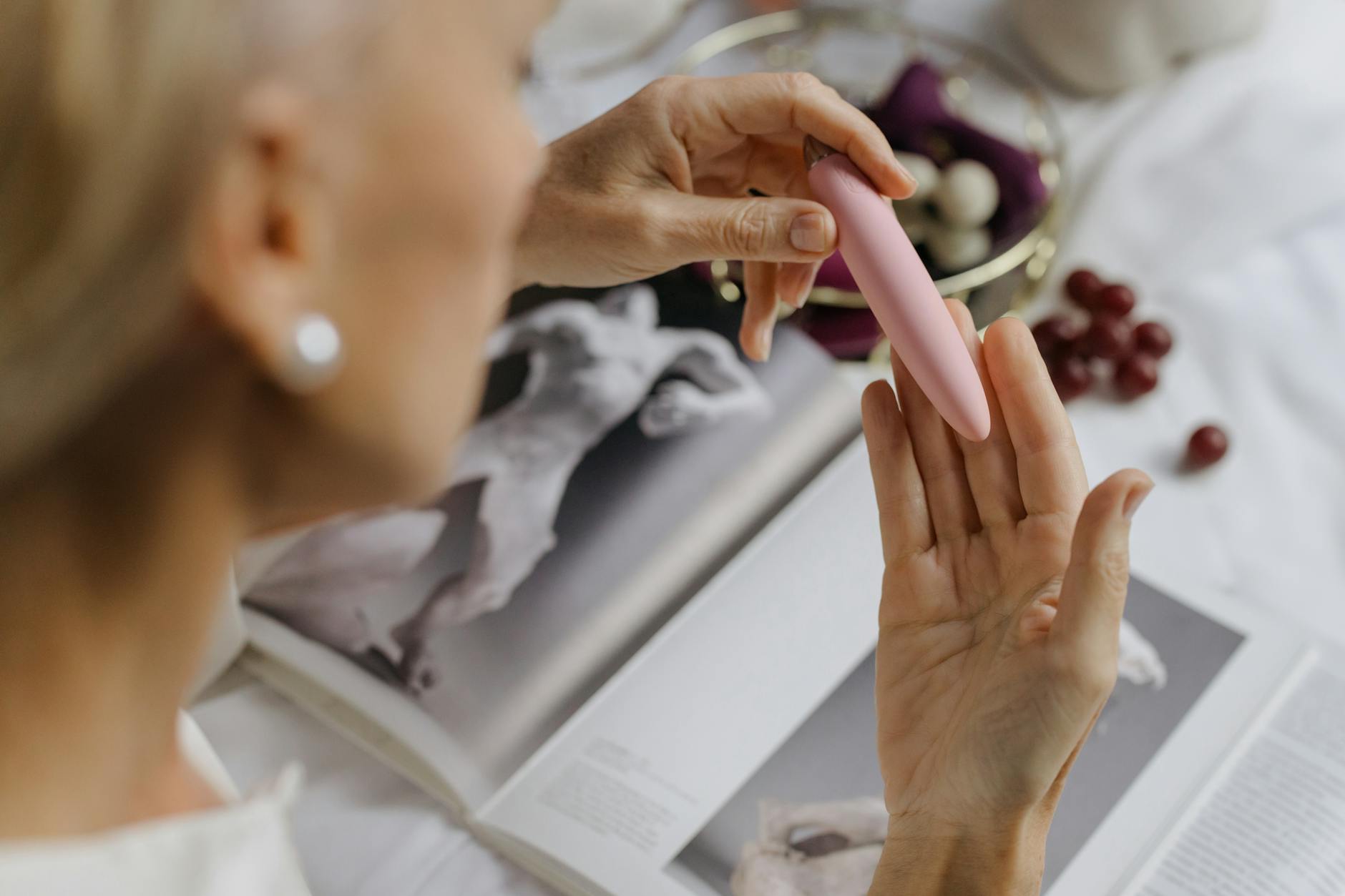
Let's start with what actually happened
Emotional numbness isn't the same as lost desire, but it sure feels like it. When you've been through stress, grief, depression, or relational strain, your body sometimes just turns off the pleasure signals as a protective mechanism. It's not broken. It's not permanent. It's a normal human survival response.
The hard part comes next. When that numbness starts lifting, you don't just flip a switch back on. Pleasure returns in stages, and if you're not expecting that, you might confuse gradual reconnection with continued shutdown.
That's where lemon vibrators come in. Not as a fix for what's wrong, but as a language your nervous system is ready to understand again.
Why sensation returns slowly (and that's actually good)
When you've been numb, your body has built a careful dam around sensation. That dam didn't appear overnight, and it won't come down overnight either. The first signals back are usually faint. A tingle. A flicker of warmth. Maybe a moment where you feel something other than flatness.
This matters because if you come back to pleasure expecting intensity, you'll feel disappointed. But if you're expecting to notice subtle shifts, you'll catch them. The clitoral suction design of lemon vibrators is helpful here because the sensation is very different from traditional vibration. It's more like a gentle pull, a rhythm, a pattern. For someone waking up from numbness, that different tactile experience can feel surprisingly fresh.
Your brain recognizes it as new, and new signals often travel faster to consciousness than familiar ones. That's not psychology. That's neurology.
Building a solo reconnection routine
Before you involve a partner, before you worry about performance, you need time alone with just your body and what it's becoming.
I recommend a three-week microcycle to start:
Week One: Sensation mapping without expectation. Set 15 minutes. No goal for orgasm. No countdown. Just you, one lemon vibrator on the lowest setting, and permission to feel whatever appears. Start on your thighs, your labia, your mons pubis. Spend time on areas that used to feel good. Notice what's different. Touch it with your hands first. Let your skin remember warmth and contact.
Week Two: Pattern exploration. You've got baseline sensation back. Now try different patterns on the lemon vibrator. Spend a few minutes on pattern 1, then 2, then 3. Don't push to higher intensities. Track which patterns feel like a conversation with your body and which feel like noise. Your nervous system is still calibrating.
Week Three: Small builds. If arousal is starting to build, let it. Don't force it. Stop before intensity peaks if that's what feels right. The goal is to teach your nervous system that sensation is safe again, and that you're in control of pacing.
After three weeks, you'll have a clearer map of what your pleasure landscape looks like now. It won't be identical to what it was before. That's not a failure. That's information.
The emotional work that actually matters
Here's where most guides get it wrong. They talk about lemon vibrators and lubrication and patterns. I'm going to talk about the part that changes everything.
Emotional numbness usually arrives with a story. Maybe you've told yourself you don't deserve pleasure. Maybe you believe your body has betrayed you. Maybe you're grieving the version of yourself that felt more alive. Maybe your relationship has felt unsafe, and your body's shutdown was correct and necessary.
Before you try to feel pleasure again, you have to examine that story. Not to dismiss it, but to understand whether it's still true.
If your relationship is still unsafe, reconnecting with pleasure while staying in that dynamic is not the answer. That's a sign you need to think differently about what a safe partnership looks like.
If you're grieving, numbness makes sense. Pleasure will come back, but you might need to grieve alongside it. That's okay.
If you've internalized that you don't deserve good things, you might need a therapist more than you need a lemon vibrator. (Though honestly, you might benefit from both.)
The reason I mention this is because pleasure returning without emotional permission will feel hollow. Your body will wake up, you'll feel sensation, and then something in your head will tell you to stop. That's not failure. That's your nervous system being honest about what it needs.
When you're ready to include a partner
Assuming your relationship is supportive and you've done some solo work, involving a partner requires a conversation that most couples skip.
Don't skip it.
Say something like this: "I've been reconnecting with my own pleasure, and it's slow and gradual. I'm not at full sensation yet. I want us to explore together, but I need you to know that's what we're doing. Not trying to reach some peak. Just noticing what's happening together."
This matters because partners often feel responsible for your pleasure. They'll think they're doing something wrong if your body is still in recovery mode. Clear language prevents resentment.
Once that conversation is clear, try using a lemon vibrator during partnered time at a pace that feels right. Your partner can use it on you while you focus only on sensation. You can use it solo while they watch, rebuilding trust in your own pleasure in front of them. There's no script here. The script is whatever feels safe and honest.
Physical comfort during reconnection
When you've been numb, tissue sensitivity often returns before pleasure sensation. That means the area might feel tender or reactive before it feels good.
Water-based lubricant is non-negotiable here. Not because there's anything wrong with you, but because your tissues are waking up from a long sleep. Lubrication lets the suction sensation of a lemon vibrator feel smooth rather than pulling or uncomfortable.
Start with hydrating your external tissues first. Use a water-based lube and let it sit for a minute. Then introduce the vibrator at the lowest setting.
If anything feels sharp or painful, stop. Pleasure returning doesn't mean pushing through discomfort. Pain is still your nervous system giving you information. Listen to it.
For the first few weeks, limit sessions to 20 minutes. Longer isn't better. Consistency matters more than intensity.
The timeline no one talks about
Here's the truth: numbness usually took weeks or months to develop. Pleasure will take weeks or months to fully return too. That can feel impossibly slow when you're living through it.
But something changes around week six or eight. Sensation that felt like a whisper starts to have texture. Patterns that felt neutral start to feel interesting. You'll notice yourself thinking about pleasure more often, not because you're forcing it, but because your nervous system is signaling that safety is returning.
That's not the same as everything being fine. But it's the beginning of fine.
FAQ
How long before I feel normal pleasure again?
There's no standard timeline. For some people, three to four weeks of consistent solo practice brings noticeable change. For others, it takes two to three months. The variables are what caused the numbness, how much support you have now, and whether you're actively processing the emotions underneath. If numbness has been severe, talking to a therapist alongside exploring pleasure physically will speed reconnection significantly.
Can I hurt myself using a lemon vibrator while reconnecting?
Not really, but you can create discomfort if you push too fast. The safest approach is low intensity, consistent rhythm, and stopping when it stops feeling good. Your tissues will tell you if they need a break. Listen to them.
Is it normal to feel guilty about pleasure returning?
Completely normal. Especially if the numbness was connected to grief or relationship strain. Pleasure returning can feel like betrayal of whatever you were protecting yourself from. That's a feeling worth processing with someone trained in this work. A therapist or a trusted partner can help you hold both truths at once: you were right to protect yourself, and you also deserve to feel good now.
What if my partner thinks I should be "over it" by now?
Your partner's timeline doesn't matter. Your nervous system's timeline does. If someone is pressuring you to reconnect faster than feels authentic, that's valuable information about whether they're safe to explore pleasure with. You can be kind and also firm: "This is where I'm at. I need you to be here with me at this pace."
Should I use the highest pattern on the lemon vibrator to feel something?
No. If you're jumping to high intensity to chase sensation, you're likely to override your own nervous system's signals again. That's the opposite of reconnection. Stay with lower patterns until they feel satisfying. Your body will tell you when it's ready for more.
What if pleasure never fully returns?
Then there's something else happening that needs attention. Sometimes numbness connects to medication, hormonal shifts, or unhealed trauma. Those all need professional support alongside pleasure exploration. A lemon vibrator is a tool, not a cure-all.