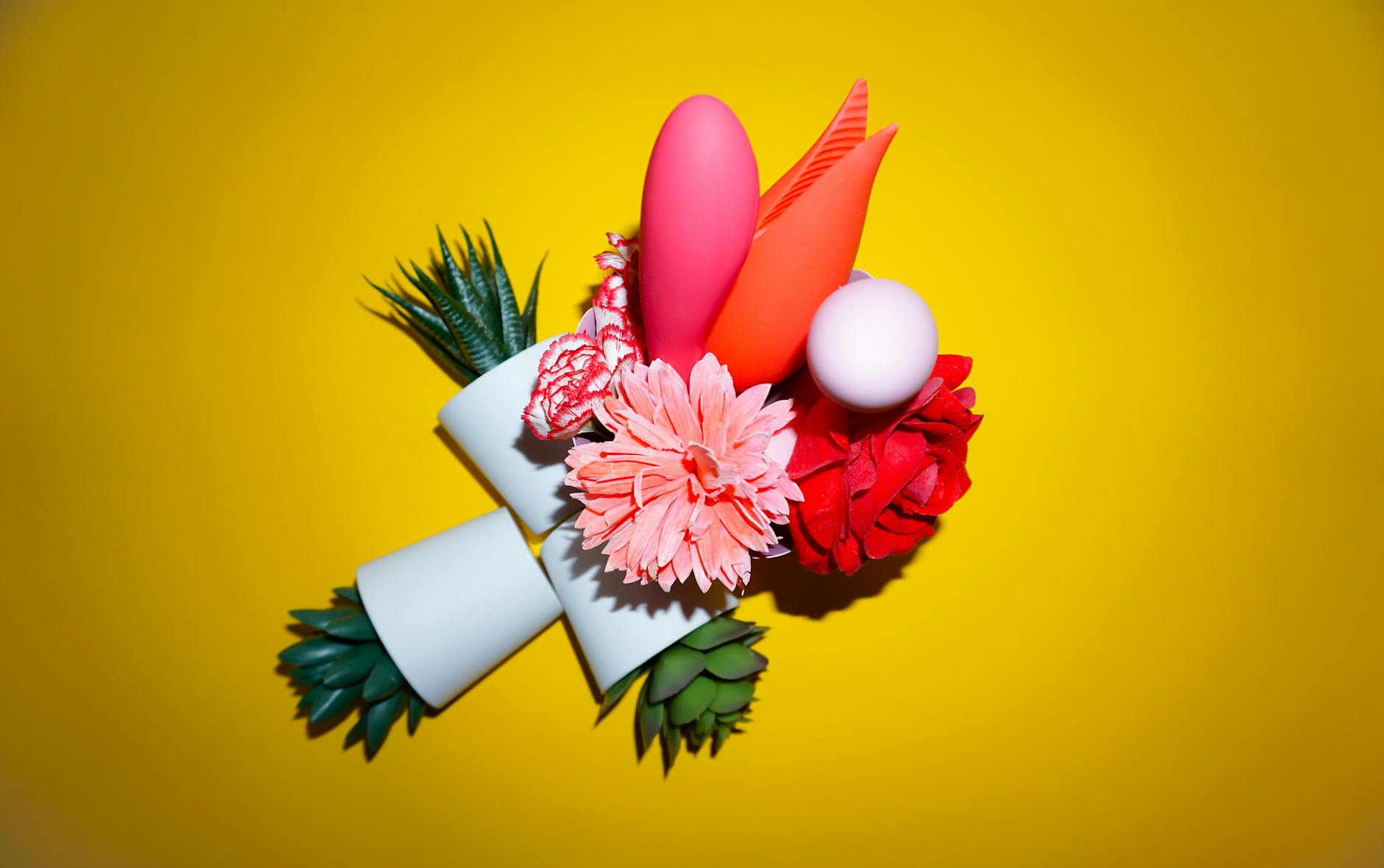
Let's start with the honest part
Starting to date after divorce is not the same as dating at 22. Your body has changed. Your nervous system has learned caution. Your sexuality might feel like it belongs to someone else still, even though it doesn't anymore. This is normal, and it's worth moving slowly enough to actually feel what's happening.
One thing I hear from clients rebuilding intimacy after divorce: "I don't know what I like anymore." That's not a problem to solve quickly. That's information. And it's exactly why exploring pleasure alone, using something like a Lemon Vibrator, matters before you're trying to figure it out with a new partner watching.
Why solo pleasure comes first
After years of sex that was tied to relationship obligation, keeping the peace, or just not thinking about yourself very much, your body needs permission to remember what feels good without an audience. This isn't selfish. This is foundational.
When you use a lemon clitoral vibrator alone, you're doing several things at once: you're learning your current arousal patterns, you're practicing separating your pleasure from someone else's needs, and you're building a reference point for what you actually want.
Many clients tell me that rediscovering solo pleasure feels like they're getting to know themselves for the first time. That's because they are. A decade of married sex is a long time to deprioritize what makes your body ring.
Start with lower intensity settings on devices like the Lem. Your nervous system might be more sensitive than it was during your marriage because you're not running on autopilot anymore. You're actually paying attention. That's a feature, not a bug.
The nervous system piece nobody talks about
Divorce is a form of relationship trauma, even when it's the right choice. Your nervous system learned to brace. Sex, for a lot of people, became something that happened to them rather than something they chose actively.
Using a lemon sexual toy alone gives your nervous system time to decouple pleasure from the presence of another person. You can experiment with pressure, rhythm, and intensity without needing to manage someone else's emotions or expectations simultaneously.
If you find yourself zoning out or feeling distant while exploring pleasure, that's your nervous system doing its job. It's protecting you. Don't push through it. Instead, come back to the present moment. Notice the texture of what you're holding. Feel the warmth of your body. This is nervous system recalibration, and it takes time.
Most clients find that after 4-6 weeks of regular solo exploration, their capacity for presence during partnered sex shifts noticeably. The hypervigilance softens. The body feels like it belongs to them again.
When a new partner enters the picture
Here's what I recommend: wait until you've had time alone first. This doesn't mean months necessarily, but enough time that you know the basics. You know what kind of touch feels good. You know roughly what rhythm works for your body. You have a sense of your own pleasure independent of someone else's schedule or needs.
When you do start being intimate with a new partner, the conversation about using toys is different after divorce than it might have been earlier in your life. You're not asking permission. You're not testing whether they're "cool with it." You're saying, "Here's something that works for my body. I'd like to use it, with you or solo." That's a statement, not a negotiation.
A lot of post-divorce clients worry that introducing a lemon vibrator will make a new partner feel inadequate. Honestly? That usually says more about the partner's insecurity than your needs. Good partners want you to feel good. They're willing to learn what that looks like.
If a new partner responds to your pleasure tools with judgment or withdrawal, that's useful information early. It tells you something about how they'll handle other boundaries you'll need to set. Pay attention.
The emotional tenderness of starting over
After divorce, physical intimacy can feel loaded with meaning it maybe didn't before. You might find yourself tearing up during sex. You might feel exposed in ways that surprise you. You might worry that wanting pleasure means you're moving on too fast, or that you're betraying your ex, or that you're being frivolous.
You're not. You're reclaiming something that belongs to you.
Using a lemon clitoral vibrator with a new partner, when you're ready, can actually create space for this tenderness. Because you're not relying solely on them to create pleasure, there's room for vulnerability without desperation. You can ask for what you want because you already know what you want.
Some couples find that integrating toys into early sexual experiences creates a kind of ease. It takes some of the performance pressure off. You're not trying to prove anything. You're just exploring together.
Practical setup for rebuilding intimacy
Three things to get right as you move forward:
1. Communication before clothes come off. Talk about toys, boundaries, and pace when you're not aroused. Post-divorce, you might have specific triggers or sensitivities that a new partner doesn't know about. "I like this kind of stimulation" is a mid-date conversation. "I've been hurt before and I need to go slowly" is a conversation you can have while sitting across a coffee table.
2. Lubrication matters more than you think. Stress and anxiety (both common post-divorce) can reduce natural lubrication. Water-based lube with your lemon adult toy isn't a sign of dysfunction. It's a sign you're being responsive to your body's actual needs.
3. Give yourself permission to stop. If something brings up old feelings or doesn't feel good, you can pause. You can change your mind. You've spent enough of your life doing sex you didn't really want. This time around, enthusiastic consent goes both ways, including consent from yourself.
When you're using lemon sexual toys with a partner, start with patterns and intensities you've already explored alone. Your body knows what works. You're not discovering. You're sharing.
The pleasure permission piece
Here's something I say to every client rebuilding after divorce: your pleasure is not a reward you've earned through suffering. It's not something to feel guilty about. It's not a betrayal of your marriage or proof that you've "moved on."
Your pleasure is simply yours. It belongs to you now the way it maybe didn't before. That's all.
Using a lemon vibrator, whether solo or with a new partner, is an act of self-trust. It's saying, "I know what I want. I'm willing to ask for it. I deserve to feel good." After divorce, that's radical. And it's worth protecting.
When to pause and get support
If sex is bringing up a lot of grief or anger, a therapist trained in post-divorce adjustment can help. If you're finding it hard to feel pleasure even alone, or if you're experiencing physical pain, that's worth checking in with a gynecologist. Some clients benefit from talk therapy alongside their solo exploration. There's no shame in that.
Rebuild at the pace that feels true to your body and your heart. There's no timeline for healing. There's only the life you're building now.
People also ask
Can I use lemon vibrators right after my divorce is finalized?
Yes, but there's a difference between can and should. Physically, you can use a lemon clitoral vibrator whenever you want. Emotionally, it might help to wait until the acute grief has softened a little. For some people that's weeks. For others it's months. The goal is pleasure, not distraction. Use toys when you're actually interested in exploring, not when you're running from something.
Will using a vibrator with a new partner make them think I didn't enjoy our sex before?
Not unless you frame it that way. "I want to use this because I like how it feels" is different from "I need this because you're not enough." A partner worth having will understand that your body changes, your preferences evolve, and pleasure is collaborative. If they don't, that's a relationship problem, not a vibrator problem.
How do I introduce lemon sexual toys to a new relationship without it feeling awkward?
You bring it up the same way you'd bring up anything else you care about. "I've been exploring what feels good for my body, and I'd like to incorporate this into our sex life." Matter-of-fact. Not apologetic. If they respond with curiosity, you're good. If they respond with defensiveness, now you know something important about them before you've invested more time.
Is it normal to feel emotional during sex after divorce?
Completely normal. Your nervous system is relearning that physical intimacy can be safe and chosen. Tears, laughter, or intense feeling all make sense. Tell your partner what you're experiencing. "I'm feeling a lot of emotions" is different from "Something's wrong." Most good partners will slow down, hold you, and let you feel what you're feeling.
Should I tell a new partner about my marriage before we have sex?
You don't owe them a detailed history, but if you're asking them to be present with your vulnerability, basic context helps. "I'm rebuilding after a divorce" gives them a frame for understanding why you might need things to move slowly or why you're particular about consent. You're not asking for pity. You're asking for patience.
Can a lemon vibrator help me feel less numb after divorce?
Maybe. Numbness after a major loss is a protection mechanism. As that protection loosens, sensation often returns. Some clients find that exploring pleasure alone, with a tool specifically designed for clitoral pleasure, helps wake up sensation that's been dormant. But if numbness persists across multiple contexts and weeks of exploration, talk to a therapist or doctor. Sometimes numbness is grief that needs a different kind of support.
Starting a new relationship after divorce is brave. Your body knows that. Moving slowly, checking in with yourself, and building pleasure on your own terms isn't just good strategy. It's an act of self-respect. Everything that follows gets built on that foundation.