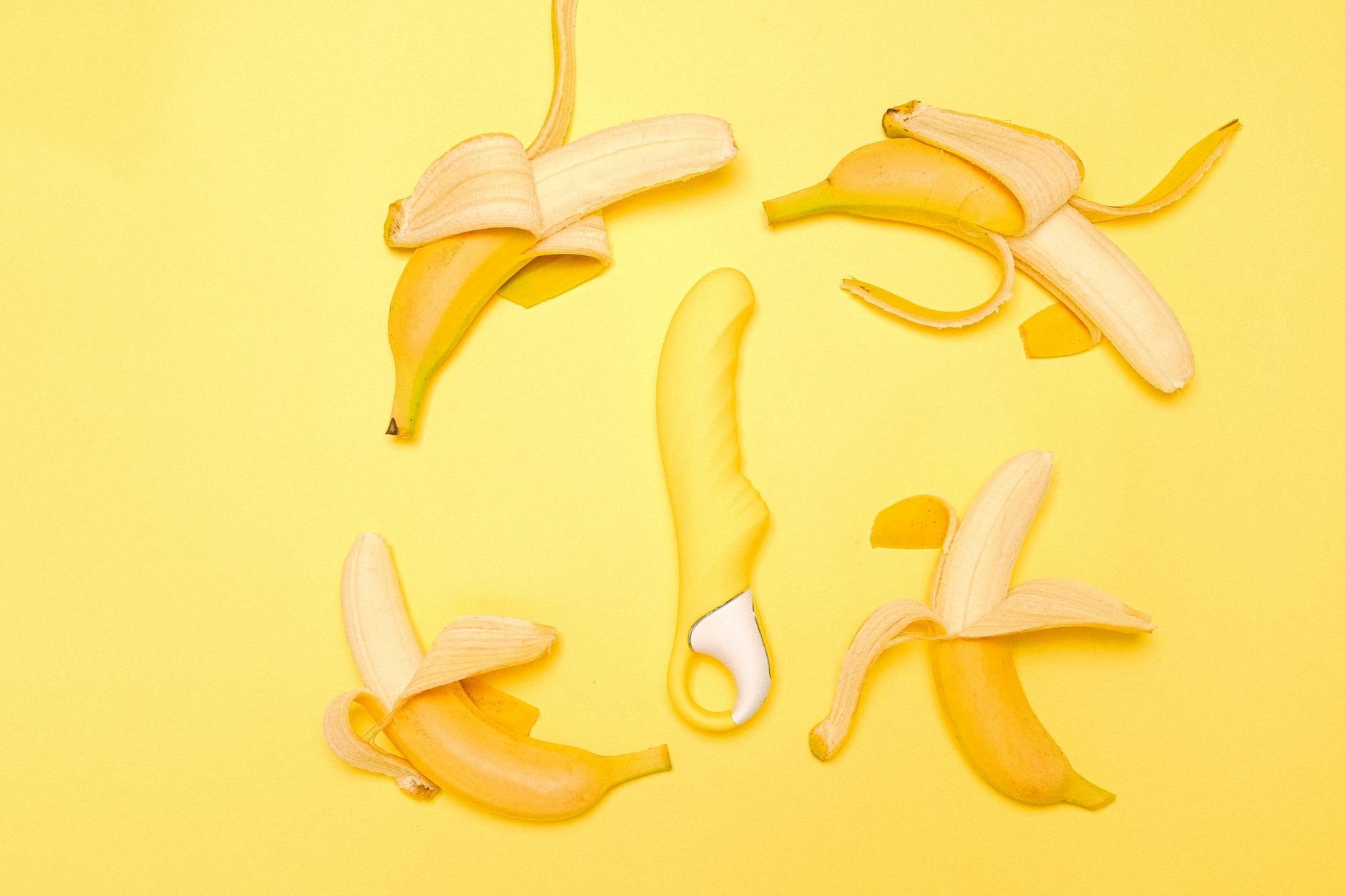
Here's the thing about dryness and sensitivity
Vaginal dryness and heightened sensitivity often show up together, but they're not a death sentence for pleasure. In fact, they're incredibly common, and they're absolutely manageable once you understand what's actually happening in your body and what tools work best with that reality.
The tricky part isn't that pleasure goes away. It's that the standard approach to lemon vibrators, or any clitoral vibrator, stops working the same way. Tissue that's thinner or drier responds differently to stimulation. It can feel raw. Overstimulation happens faster. Direct vibration sometimes feels sharp instead of good. That's not a flaw in you. That's just physiology, and it means you need a slightly different strategy.
Why dryness and sensitivity happen together
Your vaginal tissue relies on estrogen to stay thick, elastic, and well-lubricated. When estrogen drops—whether from hormonal changes, medications like antidepressants, or life stress—the tissue gets thinner. Thinner tissue is more sensitive to friction and pressure. At the same time, you're producing less natural lubrication, so anything feels drier overall.
Here's what most people get wrong: they assume the dryness is the main problem and treat it like a mechanical issue. "Add lube, problem solved." Lube helps, obviously. But sensitivity is equally important, and it requires a different kind of attention.
The clitoris itself isn't affected by dryness the way vaginal tissue is. Your clitoral nerve endings are still there, still responsive. But the surrounding vulval tissue is more vulnerable, and that changes the experience.
Why lemon vibrators work differently for dryness
Most vibrators rely on direct, high-intensity vibration to create sensation. If your tissue is already sensitive, that intensity can feel harsh. Lemon adult toys, particularly lemon clitoral vibrators like the Lem, use air-suction technology instead of pure vibration. This matters enormously for sensitive, dry tissue.
Suction stimulates the clitoral nerves without the same mechanical friction that vibration creates. You're not dragging across tissue. You're creating gentle pressure changes that the clitoris responds to intensely, even at lower intensities. That's why many people with vaginal dryness find that lemon sexual toys feel better than traditional vibrators—the mechanism itself is gentler on sensitive skin.
The lubrication piece (it's not just about wetness)
Yes, use lubricant. But pick the right one.
Water-based lubes are essential if you're using any silicone toy, including lemon vibrators. They won't degrade the material and they're easier to clean up. The catch is they dry out faster than silicone-based lubes, so you might need to reapply during a longer session. That's fine. Reapply.
For dryness specifically, some people prefer hyaluronic acid-based lubes because they're thicker and stay slick longer. Others find that adding a tiny bit of coconut oil to a water-based lube gives better glide without damaging the toy. Experiment. Your body will tell you what feels right.
But here's what matters most: lube is not a sign of dysfunction. It's a tool. And when your tissue is sensitive, lubrication actually protects it by reducing friction. Using lube isn't settling. It's smart.
How to start with lower intensity
Lemon clitoral vibrators usually have multiple intensity levels. If you're dealing with sensitivity, don't start at medium. Start at level one or two. I know that sounds obvious, but so many people skip this step because they expect their pleasure to work the same way it always has.
Give yourself 10-15 minutes at a lower intensity. Your tissue might surprise you. Many people find that sustained stimulation at a gentler level builds to more intense sensation than jumping straight to power. The nerves warm up. Blood flow increases. Sensitivity can actually shift toward pleasure rather than rawness.
The Lem's lowest settings are specifically designed to work on sensitive tissue without numbing. You're not sacrificing sensation by starting low. You're working with your body's current state instead of against it.
Timing and warm-up matter more than you think
When tissue is dry or sensitive, arousal takes longer to build. Budget 20-30 minutes instead of expecting results in 5 minutes. This isn't a patience thing. It's a physiology thing.
Start with non-genital touch. Kiss your partner or touch your own body. Let your nervous system shift from "regular day" to "pleasure mode." Once you're genuinely aroused—not just willing, but actually turned on—blood flows to the vulva, which brings natural lubrication even if it's less than it used to be.
Then introduce the lemon vibrator. The combination of arousal plus external stimulation works better than jumping straight to the toy.
Positioning and angle reduce irritation
Direct contact on the clitoris when tissue is sensitive can feel overwhelming or sharp. Try stimulating the clitoral hood instead—the soft tissue that covers the clitoris. Or angle the Lem slightly so you're hitting the sides of the clitoris rather than the head-on center.
Experiment with angle. What feels like overstimulation at one angle might feel perfect at another. The beauty of air-suction toys is that you can control exactly where the stimulation lands.
If you're with a partner, this is a great conversation to have aloud. "Try a bit more to the left." "Lighter contact right there." Directness about physical sensation is not awkward. It's how you get better pleasure.
The pelvic floor connection
Tight or tense pelvic floor muscles make sensitivity worse. When those muscles are contracted, everything feels more intense and often less pleasant. Learning to relax your pelvic floor is genuinely one of the best things you can do for dryness-related sensitivity.
Try this: during foreplay or warm-up, intentionally relax your pelvic floor. Breathe into your belly. Imagine the area softening. It sounds simple, but most people have no idea they're holding tension down there until they practice releasing it.
Some people benefit from pelvic floor physical therapy if tension is severe. A pelvic floor PT can teach you what relaxation actually feels like and give you specific exercises. If you're having pain or significant sensitivity, that's worth exploring with a specialist.
Managing expectations about orgasm
Orgasm might feel different when you have dryness and sensitivity. It might take longer to reach. It might feel less intense. It might also feel more intense in certain spots. The point is, different is not worse.
I've worked with clients whose most satisfying orgasms came after they stopped fighting their current reality and started working with it instead. Using lemon vibrators for clitoral pleasure when you have sensitivity often means slower, more focused stimulation that some people find incredibly rewarding.
Let go of what pleasure "should" feel like. Pay attention to what actually feels good right now. That's the whole game.
When to see a healthcare provider
If lubrication isn't helping, if there's pain during or after use, or if dryness and sensitivity are new and severe, mention it to your gynecologist. Genitourinary syndrome of menopause, medication side effects, hormonal imbalances, and infections can all cause these symptoms. Most are easily treatable once identified.
You might be a candidate for vaginal estrogen cream, which is applied topically and has minimal systemic absorption. It can transform tissue quality in 2-4 weeks. Or your doctor might adjust your medications if that's the culprit. The point is, you don't have to white-knuckle through this alone.
FAQ: Lemon Vibrators and Dryness
Can I use a lemon vibrator every day if I have vaginal dryness?
Yes, but be intentional about it. Daily use is fine as long as you're not causing pain or irritation. If you notice rawness, skip a day and let tissue recover. Some people find that alternating days works better. Listen to your body rather than following a rule.
Will using lube during masturbation help with sensitivity during partnered sex too?
Absolutely. Getting your body used to being stimulated with adequate lubrication is practice for the real thing. You're teaching your nervous system what sensation feels good when conditions are optimal. That baseline carries over.
Does sensitivity with lemon vibrators mean I should try something less intense like the Berri?
Maybe, but not necessarily. The Lem's air-suction design is gentler on sensitive tissue than many traditional vibrators, including some smaller models. A smaller vibrator with traditional vibration might actually feel harsher. Test at a friend's place or check reviews from people with sensitivity before switching toys entirely.
How much lube is enough when I have dryness?
More than you think. When tissue is dry, you need enough lube to reduce friction meaningfully, not just a thin layer. Apply generously, and reapply during longer sessions as it dries out. There's no such thing as too much lube when you're managing dryness.
Can antidepressants cause the dryness and sensitivity I'm experiencing?
Yes. SSRIs commonly cause reduced lubrication and delayed orgasm in some people. If you suspect your medication is the culprit, talk to your prescriber before stopping anything. There are often solutions—dose adjustments, timing changes, or adding another medication to counteract the side effect. You don't have to choose between mental health and sexual pleasure.
Is there a best position for using lemon clitoral vibrators when you have sensitivity?
Lying on your back or side gives you the most control and lets you see what's happening. You can adjust angle easily and relax your pelvic floor more readily. The main thing is whatever position lets you feel relaxed rather than braced. Tension makes sensitivity worse.
The actual path forward
Dryness and sensitivity are real physical changes, not psychological failures. Your body isn't broken. It's just operating with different parameters now, and that requires a different toolkit.
Lemon vibrators, especially air-suction designs, are brilliant for sensitive tissue because they separate intensity from friction. Start low. Use plenty of lube. Give yourself time to warm up. Pay attention to what actually feels good instead of what you think should feel good. If something's painful, pause and adjust.
Your pleasure matters. Your body's current reality matters. Combining those two things is how you get back to good sensation—maybe even better sensation than before.
If you're navigating these changes in a relationship, the conversation piece is just as important as the physical adjustments. Let your partner know what's shifted, what helps, and what you're learning about your body. Vulnerability here creates connection. Intimacy isn't just physical. It's about showing up honestly.
You're not starting from zero. You're starting from here. And here has tools that actually work.
If you have questions about how lemon vibrators might work specifically for your situation, reach out to our team. We're here to help you figure this out.