When the old way stops working
You know how to do this. You've known for years. Same time, same rhythm, same spot, same result. Then one day, nothing. Or worse: the thing that used to send you straight there now feels muted, distant, almost like you're watching someone else's orgasm happen at a great distance.
This isn't failure. This is your body saying the script needs updating.
Sensation doesn't stay still. Hormones shift, stress loads change, medication alters chemistry, age rewires nerve responsiveness, relationship dynamics evolve. The body you had at 25 or 35 or 45 isn't the same one you're living in now. And the way pleasure worked then isn't guaranteed to work the same way today.
The trap is thinking that means it's gone. It isn't. It's just hidden behind a different door.
Why routine builds a ceiling
Here's the neuroscience part, stripped down to what matters. Your brain is a prediction machine. When you do the same thing the same way for years, your nervous system learns to anticipate it. That anticipation is efficient, but it's also a pleasure dampener.
This is called "habituation," and it's not a bug in your body. It's a feature. Your nervous system is protecting you from overstimulation by literally dampening response to repetitive input. When you use the same technique, same intensity, same timing, for long enough, your clitoris stops screaming hello and starts politely nodding.
The good news: your body hasn't forgotten how to orgasm. It's just bored with the script.
The other good news: changing the script works faster than you'd think. Sometimes within a few sessions.
The variables that actually matter
When routine stops working, people usually reach for intensity. More power, more speed, more pressure. That's backwards. Start by changing everything else.
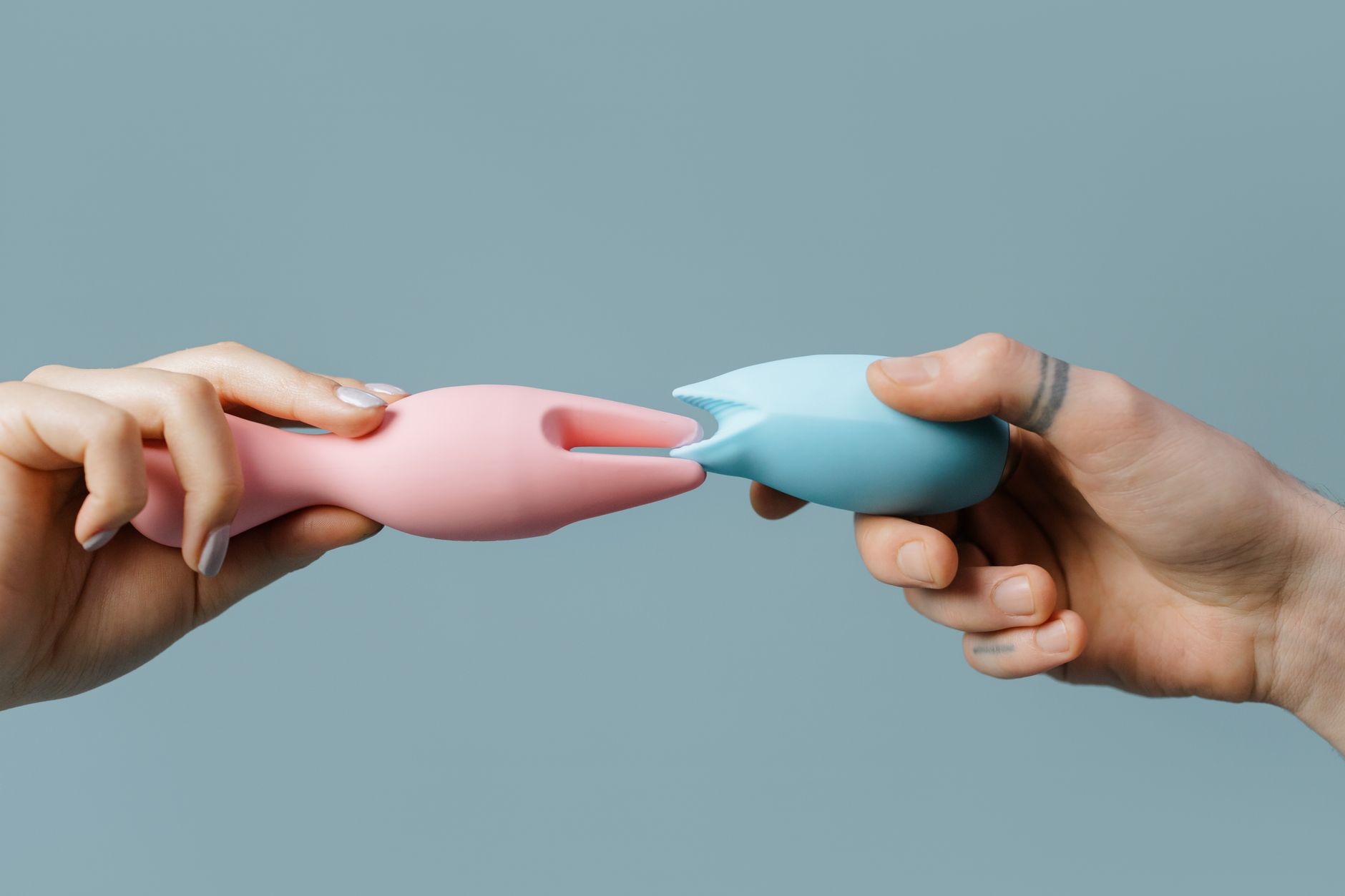
Pressure and angle. If you've been using direct contact the same way, try hovering. If you've been off to one side, move to center. If you've been pressing, try gentle suction. A lemon clitoral vibrator uses air-pulse technology instead of traditional vibration, which means you can explore stimulation that feels completely different from what you've been doing. The sensation of suction against tissue creates entirely new neural pathways.
Speed patterns. Don't start at your usual setting. Start at setting one and spend time there. Let your nervous system relearn what low intensity feels like. The urge to jump to the setting that used to work will be strong. Resist it. Your body needs time to wake up again.
Timing and pace. Slow down. Not in a "be patient" spiritual way, but literally: spend 20-30 minutes instead of 5-10. Arousal builds differently over time. What used to crest in minutes might need longer now, because your body isn't running on the same neurochemical timeline it did before.
Context and distraction. This matters more than most people want to admit. If routine sex has become something you do while mentally running through a grocery list, your body knows. Pleasure requires some of your attention. Not all of it, not pressure-filled focus, but some. A bedroom that's slightly warmer, less fluorescent, more intentional. A phone in another room. A closed door. Permission to make sound.
How sensation changes with time
It's not just about habituation. Real physiological changes happen too.
Hormonal shifts alter blood flow to the genitals. This means arousal might take longer to build, and the sensations might feel quieter. Some people find that clitoral sensitivity decreases slightly over time, especially after 40. Others report their sensitivity actually increases. Some describe their most intense orgasms coming years into a relationship, after they stopped performing and started exploring.
Medications change things too. Antidepressants, blood pressure medication, hormonal birth control, even some allergy drugs can dull sensation or delay orgasm. If you started medication and noticed a shift simultaneously, that's probably your answer. And that's actionable: talk to your doctor about timing (taking medication after sex instead of before) or, in some cases, switching to a different option.
Stress is a full-body pleasure killer. High cortisol literally suppresses blood flow to erogenous tissue. If the last few years have been high-demand, your nervous system might be running on fight-or-flight, which is the opposite of what's needed for pleasure. This isn't about relaxation baths. This is about actual stress reduction, which is why some people find that a major life change (kids finally in school, career shift, relationship repair) brings sensation roaring back.
The reset protocol
If you want to interrupt habituation and recharge sensation, here's what actually works.
Take a week off. Not in a "no sex" sense, but a "no vibration" sense. Partner sex, solo exploration, whatever. Just nothing mechanical. Let your nervous system forget what it's been anticipating.
Start at the lowest setting. When you come back, begin with a lemon clitoral vibrator on setting one or two. Spend a full session there. The point isn't to come. The point is to relearn what light stimulation feels like.
Move through patterns slowly. Each session, stay at one setting longer than feels urgent. By day three or four, your sensitivity will have already started coming back online.
Change position or location. If you always lie flat, sit up. If you always do this in the morning, try evening. If it's always in bed, try the shower. Novel context triggers novel neural activation.
Bring your attention back. This is the part people skip because it feels woo, but it isn't. Literally noticing sensation as it happens. Temperature, texture, the exact point of contact. Not in a stressed, performance-focused way. Just... actual attention. This tells your brain that the signal matters.
Most people see a meaningful shift within four to six sessions. Some see it within two. The key is that you're not trying harder. You're trying differently.
When it's not just routine
If sensation doesn't return after a reset, or if pleasure disappeared suddenly rather than gradually, something else might be happening.
Due to hormonal changes, medication, or underlying pelvic floor tension, some people need to take an additional step. A pelvic floor physical therapist can tell you whether your muscles are holding tension that's blocking sensation. This is fixable. Also worth discussing with a doctor: blood panel work to check thyroid and hormone levels. Changes in sensation sometimes signal something systemic worth addressing.
The other piece: if pleasure has become tethered to shame or pressure (either self-imposed or relational), no vibrator can fix that. Sometimes the reset needs to include talking to a therapist about what's underneath the performance script. That's not weakness. That's usually where the real door is.
When pleasure comes back different
Here's what I want you to know: the orgasm you have after years of routine feeling muted isn't a return to the old thing. It's often better. Because it's not automated. Because your body isn't bored. Because you're actually present.
Many people describe the orgasms that come after a long habituation period as deeper, more whole-body, less clitoral-tunnel-vision and more integrated. The suction sensation of a lemon vibrator seems to unlock this for a lot of people, because it's novel enough to wake the nervous system up, but gentle enough that it doesn't feel like punishment for having a body that changes.
Your body isn't betraying you. It's asking you to pay attention. That's the conversation. That's always the conversation.
People also ask
How long does it take for sensation to come back after it gets muted
Most people notice a shift within four to six sessions of active reset (changing technique, intensity, timing, or context). Some feel it within two. The timeline depends on what caused the habituation. If it's purely psychological routine, it's faster. If it's hormonal, you might be rebuilding over weeks. The constant across all of this: novelty works faster than intensity.
Can you retrain your body to be sensitive again after years of the same routine
Absolutely. Neuroplasticity isn't just a therapy buzzword. Your nervous system genuinely adapts and relearns. The habituation pathway can be interrupted, and sensation typically rebounds quickly once the stimulus changes. It's not permanent. You haven't damaged yourself. You've just told your body "we're doing it the same way," and your body complied by getting efficient. Change the way, and sensation comes back.
Is it normal for vibrators to stop working as well over time
Your body isn't broken, but yes, this is so common that if it hasn't happened to you yet, it probably will. This is habituation. The vibrator hasn't changed. Your nervous system has adapted to the stimulus. The solution isn't a stronger vibrator. It's a different pattern: different speed, different pressure, different angle, or even just a break. Many people find that switching vibrator types (from traditional vibration to suction, or vice versa) resets things faster than a new toy in the same category.
What if nothing feels good anymore no matter what I try
This points toward something beyond routine. Check three things: medication timing (talk to your doctor), stress load (is your nervous system in fight-or-flight), and pelvic floor tension (a PT can assess). If those check out, a conversation with a therapist about what pleasure means to you right now, and what emotional barriers might be present, often unlocks things faster than more technique. Sometimes the blockage is relational or existential, not mechanical.
How do I know if it's hormonal or just habituation
Habituation happens gradually and improves quickly with novelty (different technique, pattern, timing). Hormonal changes happen around predictable life transitions (age, medication start, cycle changes) and don't improve as fast with novelty alone. You might need both novelty and topical support or hormone adjustments. If it's gradual over years and responds to technique changes, it's probably habituation. If it happened suddenly around a life transition or medication change, look at that timeline first.
Can a different type of vibrator help reset sensation
Yes, often dramatically. If you've been using traditional vibration for years, switching to air-pulse (like a lemon clitoral vibrator) introduces sensation that's novel enough to wake your nervous system back up. People often describe suction as feeling less intense but somehow deeper, which makes it easier to focus on the sensation rather than chasing intensity. A new toy isn't the answer, but a new type of toy sometimes is.
The real thing
Your body didn't betray you. Routine did what routine does: it made something automatic, which means less conscious, which means less stimulating to a nervous system that's built to notice novelty. That's not a flaw in how you're wired. That's how adaptation works.
The invitation here is to stop thinking about fixing your body and start thinking about updating the conversation with it. Your pleasure isn't gone. It's just asking for a different question. Ask it, and listen to what comes back.
If you're ready to explore a different approach, talk to us at Lemon Vibrator. We help people figure out what works when the old way stops working.