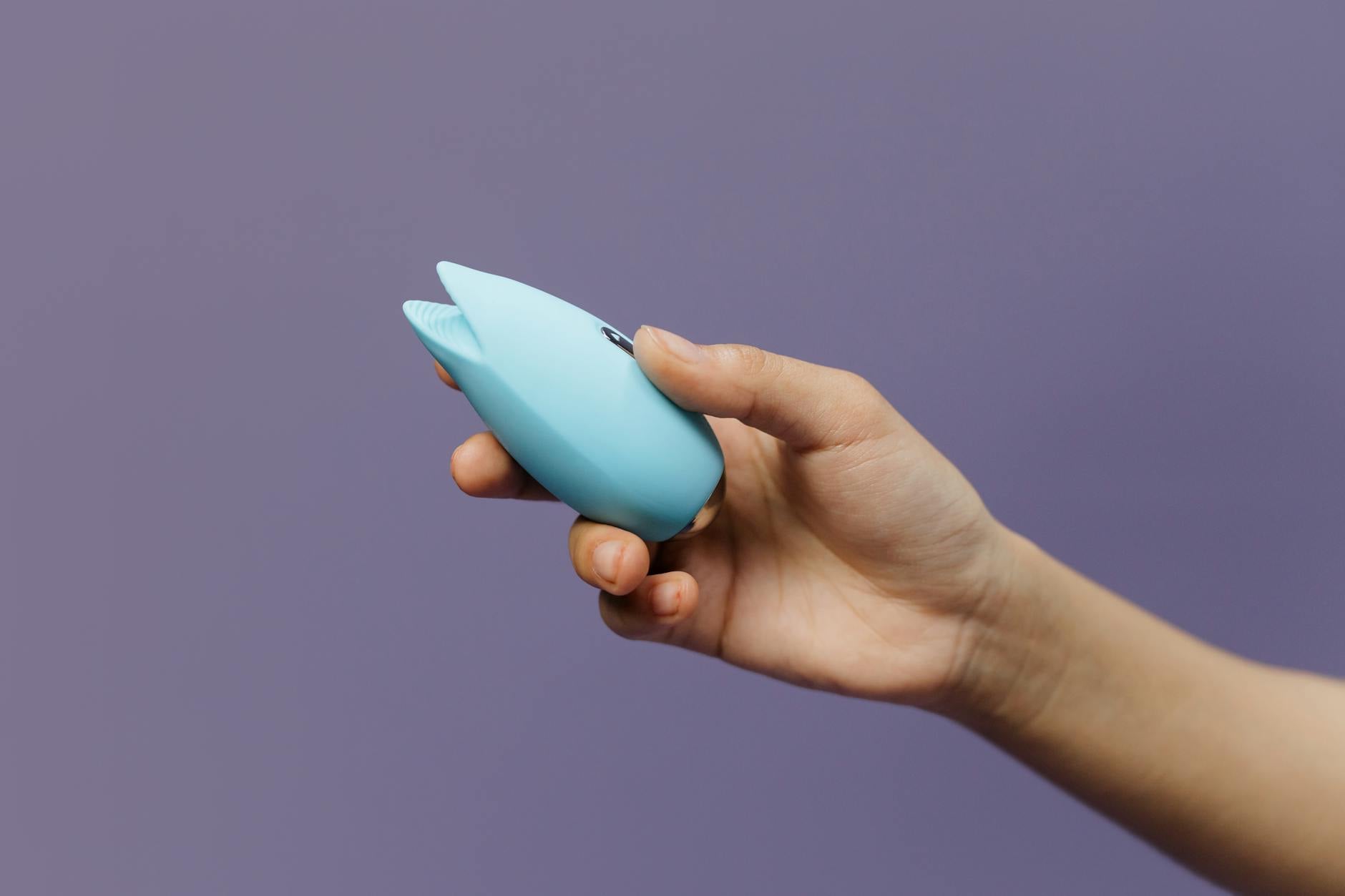
Testosterone therapy is a pleasure reset button, and nobody warns you
You started testosterone therapy for identity, energy, and clarity. What you're probably not reading in your clinical notes is that your body's entire pleasure map just shifted. Arousal builds faster. Sensation feels sharper. What worked three months ago might feel muted now, or weirdly intense, or just different enough that you're second-guessing whether you're doing this right.
You are. Your body is just recalibrating.
Lemon vibrators, particularly the suction-based design, respond beautifully to testosterone-driven changes because they work with sensation intensity rather than against it. Here's what's actually happening physiologically, and how to adjust.
What testosterone therapy does to arousal and sensation
Testosterone increases blood flow to genital tissue. The clitoris swells faster and more intensely. Your sexual response cycle accelerates. What took fifteen minutes to build before might now take five. Sensitivity can feel heightened at first, sometimes almost overwhelming.
You might also notice that the clitoris is growing slightly. This is completely normal and happens on all testosterone regimens. For some people, this makes direct vibration feel too intense or even painful. For others, the increased sensitivity means they finally feel something they couldn't feel before. Both are real. Both require different approaches.
Hormone levels stabilize around the three to four month mark, so if you're in the first trimester of HRT, expect another shift coming. This isn't a permanent plateau. It's a moving target for a few more months.
Why Lemon vibrators work better than traditional vibration on testosterone
Traditional vibrators use rhythmic oscillation. They work on repetition and friction. Lemon clitoral vibrators use air-suction technology, which creates a seal around the clitoris and applies gentle, consistent pressure without the mechanical vibration.
For people on testosterone therapy, this matters enormously. Suction creates sensation through air pulse patterns, not buzz. It builds arousal gradually rather than flooding the nervous system all at once. You have more control over intensity because you're choosing the pattern and the pressure, not just the speed.
If direct contact feels too sharp right now, suction lets your tissues respond on their own timeline. You're not forcing stimulation. You're inviting it.
Starting intensity when everything feels heightened
Here's what I recommend to clients transitioning onto testosterone: start at pattern 1, not pattern 3.
I know you might have used higher patterns before. Ignore that baseline. Your nervous system is rewiring. Patterns 1 and 2 on a Lemon vibrator are genuinely powerful because they work with blood flow, not against it. You don't need to crank it. You need to let your body catch up.
Budget 10 to 15 minutes for your first few sessions. Slow arousal builds easier on the nervous system than shock-and-awe. You're teaching your body where its new pleasure center is now.
If patterns 1 and 2 feel like nothing, give it another week. Sensation registers differently when tissue is reorganizing. What feels absent today might feel present next week. The temptation is to jump to pattern 5 because you're impatient. Don't. Patience here actually shortens the adjustment timeline because you're not desensitizing yourself through overstimulation.
The clitoral growth conversation nobody has
Your clitoris is likely getting bigger. Between month two and month six, visible growth is normal. It might not be huge, but it's noticeable to you.
For some people, this is dysphoria. For others, it's affirmation. For most, it's both depending on the day. Here's the practical sex part: if the new size makes direct vibration feel uncomfortable, suction-based stimulation actually works better because you're not applying pressure directly to the glans. You're creating a seal around the whole external structure.
If you're somebody who previously found penetrative play complicated or unrewarding, testosterone sometimes shifts that. Increased sensitivity can make internal sensation register more fully. But that's not universal, so don't pressure yourself to try something just because HRT supposedly made it possible.
Arousal timing has changed, and that matters for partnered play
One of the most jarring shifts for people on testosterone is that arousal speed is no longer negotiable. You get turned on faster. Physically. Sometimes inconveniently faster.
If you have a partner, this is worth discussing before you're in the moment. "I'm arousing in five minutes now instead of fifteen" is a separate conversation from "let's have more sex." One is a logistical reality. The other is desire. Confusing them derails both.
For solo use with a Lemon vibrator, this is actually liberating. You need less warm-up time. Pattern 1 is enough. You can be ready faster and still have a full, intense experience. This is a feature, not a bug.
Lubrication might change (and that's worth watching)
Testosterone can increase natural lubrication for some people. For others, it stays the same or shifts slightly. There's no universal rule here.
What matters is that you're paying attention. If your natural lubrication is working, great. If it's not as generous as before, or if tissue feels less supple, water-based lubricant helps. Testosterone thickens some tissue and can make things feel less stretchy. Lube counteracts that without any complicated gear.
You don't need a special lube for Lemon vibrators. Standard water-based works perfectly. Silicone-based lubes damage silicone toys, so stick with water-based if you're using a Lemon clitoral vibrator.
Sensation mapping changes across your HRT timeline
Month one and month three feel nothing alike. Month six feels different again. You're not malfunctioning. You're stabilizing.
The pleasure sensitivity that feels overwhelming right now might settle into something more manageable in a few weeks. The flat sensation you notice in one area might suddenly activate. This isn't random. Hormones are reorganizing how your nervous system perceives and registers pleasure.
The best thing you can do is check in with yourself monthly. "How does pattern 2 feel today?" Keep a simple mental note. You'll start seeing a pattern in the pattern. That's data. That helps you understand your body on its new hormonal landscape.
When to talk to your doctor about sensation changes
Sensation shifts are normal. Pain is not. If stimulation that felt good two weeks ago now causes sharp or burning pain, mention it to your prescribing provider. Sometimes tissue reacts in ways that need adjustment. Sometimes it's just inflammation that resolves.
Similarly, if arousal feels completely absent after settling into your HRT (beyond month four or so), that's worth flagging. Testosterone should increase desire markers, not flatten them. It might mean your dosage needs adjustment, or you might have hit an emotional roadblock that's separate from hormones. Either way, data helps your provider help you.
The pleasure shift is real, and it's probably richer than you expect
Testosterone therapy reorganizes arousal. It doesn't make you a different person sexually. It makes you a more responsive version of you. Most of my clients report that once the adjustment period passes, orgasms feel more intense, more full-body, more integrated.
Lemon vibrators work beautifully in this phase because suction-based stimulation invites your body to build sensation at its own pace. You're not forcing it. You're creating the conditions and letting the hardware do the gentle work.
Give yourself four to six months before you decide anything feels "wrong." That's when your nervous system fully recalibrates. What feels confusing now will make sense then. And it probably will, because testosterone is usually a pleasure upgrade. Just not always an immediate one.
Frequently Asked Questions
How long does it take for sensation to stabilize on testosterone therapy?
Most people hit stable sensation around month three to four. But full nervous system recalibration takes closer to six months. You'll notice the biggest shifts in the first eight weeks, then a slower integration period after that. If you're still experiencing dramatic changes at month six, that's worth mentioning to your prescriber.
Can I use Lemon vibrators immediately after starting testosterone, or should I wait?
You can use them immediately. What changes is your starting intensity. Go lower than you think you need to. Your body is already in a heightened arousal state, and vibration will accelerate that. There's no medical reason to wait, but there's every practical reason to start gentle and work up.
Does testosterone make orgasms feel different, or just more intense?
Both. Intensity increases. But the shape of the orgasm often changes too. Some people describe it as more localized at first, then more full-body as they settle in. Others find that orgasms come faster but feel shorter until their body learns to extend them. Intensity and quality are not the same thing. You might have more intense orgasms that feel less satisfying, or less intense ones that feel incredible. It depends on your nervous system, not on testosterone itself.
What if sensation feels completely numb even though I'm on testosterone?
This is rare but happens. It can mean your dosage is slightly high, or your body is processing the hormone in a way that's creating a paradoxical response. It can also mean you're in a holding pattern that will resolve in a few more weeks. The key is tracking it. If numbness persists past month three or four, talk to your provider. You might need a dosage adjustment or a different form of testosterone altogether.
Can I use the same patterns on Lemon vibrators that I used before testosterone therapy?
Probably not immediately. You might return to your old patterns eventually, but there's usually a transition period where lower patterns feel better because your tissue is more sensitive. Think of it like adjusting your coffee strength when you switch to a new brew. Same equipment, different baseline. After a few months, you might find you actually prefer higher patterns because sensation has stabilized and you want more direct intensity.
Is it normal for genital tissue to feel sore or tender in the first few weeks on testosterone?
Mild tenderness happens as tissue reorganizes. Soreness that feels sharp or burning is less common and worth mentioning to your doctor. Tenderness usually resolves within a week or two. If it doesn't, your provider might want to check for other issues, but testosterone-related tissue changes are generally tender, not painful.
You're not broken, you're recalibrating
Testosterone therapy is one of the most profound pleasure transformations available. And it's also completely disorienting because nobody explains what to actually expect. Your clitoris is growing. Your arousal is accelerating. Sensation is rewiring. You are not malfunctioning.
Lemon vibrators, with their air-suction technology, give you a tool that works with this recalibration rather than against it. Start low. Be patient. Give yourself six months. You'll find your new baseline, and it's probably going to feel incredible.
If you want to talk through your specific situation, I'm here to help. Reach out anytime.