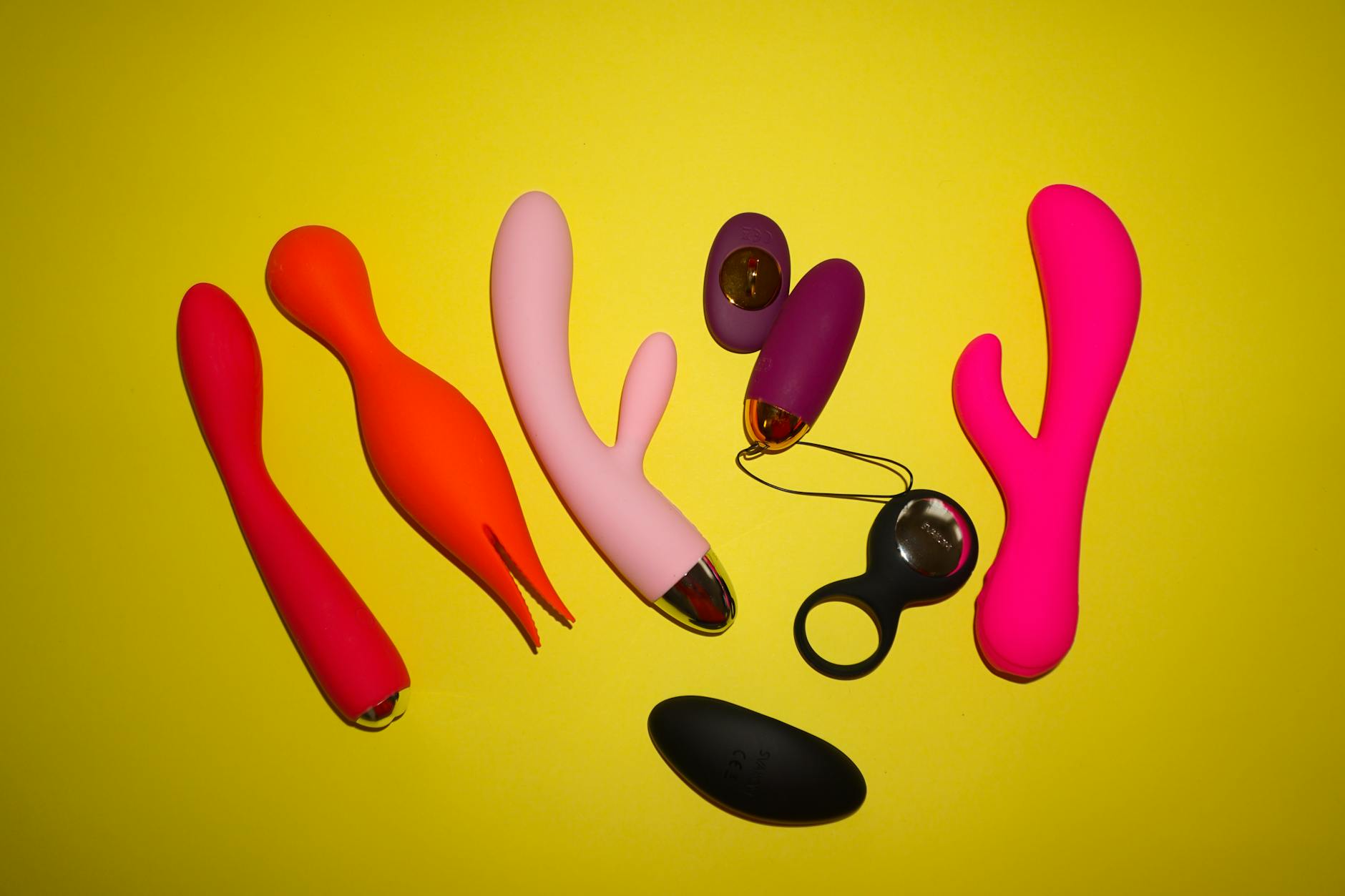
After a breakup or divorce, plenty of people reach for a lemon vibrator and feel... almost nothing. The sensation is muted. Orgasms take longer, feel less intense, or don't arrive at all. The shame kicks in almost immediately. You assume something is physically wrong. It's not. What's happened is that emotional trauma has temporarily rewired how your nervous system processes pleasure.
When you're processing loss, your brain prioritizes survival over pleasure. This isn't poetic. It's neurobiology. The amygdala (your threat-detection center) gets louder while the prefrontal cortex (your rational, reward-processing brain) gets quieter. You're in a low-grade fight-or-flight state whether you realize it or not.
This means:
Blood flow diverts away from your genitals and toward your muscles
Your nervous system treats arousal as a non-essential function
Touch that normally feels good can feel irritating or numb
Orgasm requires a level of mental "letting go" that grief makes nearly impossible
Add in the fact that you might associate pleasure (or your body, or intimacy) with the person you've lost, and the nervous system has even more reason to shut down sensation as a protective mechanism.
Clitoral vibrators like Hello Nancy's Lem work through targeted stimulation and suction that requires your nervous system to be somewhat engaged. They're not one-size-fits-all pleasure machines. They need you to be present. When grief is occupying your entire nervous system, presence becomes almost impossible.
You might notice:
Lower intensity settings don't feel like anything
You need much stronger settings than before, which can feel overwhelming
The suction sensation that used to feel amazing now feels uncomfortable or invasive
Your body feels like it belongs to someone else
This doesn't mean lemon vibrators won't work for you again. It means your timeline is different right now.
Here's where most people get stuck. After a breakup, using a vibrator can feel like cheating on someone you're no longer with. Or it can feel like you're "supposed" to feel sexual again by some invisible deadline, and the fact that you don't means you're failing. Neither is true.
Let me be direct: your nervous system is allowed to grieve. That's not a flaw. That's wisdom. Pushing yourself to feel pleasure on a schedule you didn't choose is actually counterproductive. It creates more shutdown, not less.
If you want to rebuild sensation after a breakup, here's what works.
Stop using the vibrator as a performance metric. For the next week or two, don't try to orgasm. Genuinely don't try. Use it for exploration only, with zero expectations. This removes the pressure that's keeping your nervous system locked down.
Start with touch, not toys. Before you reach for your lemon vibrator, spend time with your own hands. Notice what your body actually wants right now. This might be gentle, might be firm, might be nothing. Hands are lower-stakes than a device.
Create safety cues. If the breakup involved betrayal or conflict, your body might need reassurance that this space is yours alone. Light a specific candle. Use a particular playlist. These signals tell your nervous system that pleasure time is separate from pain time.
Use the pressure settings strategically. Don't jump to your old intensity. If you used setting 5 before, try setting 1 or 2 for a few weeks. Let sensation rebuild gradually. Your clitoral sensitivity is still there. Your nervous system just needs permission to notice it.
Reframe what "success" looks like. Instead of targeting orgasm, target presence. Can you feel the sensation for 30 seconds without your mind spinning into stories about your ex? That's a win. Build from there.
If you're months out from the breakup and sensation still feels completely absent, or if touch feels actively painful or traumatic, that's a signal to work with a therapist who specializes in somatic (body-based) healing. Trauma can genuinely numb sensation, and sometimes you need professional support to rewire that response.
You don't need to keep pushing yourself alone. A good therapist can help you process the grief while simultaneously helping your nervous system learn that pleasure is safe again.
One thing I've noticed clinically: people who do this work properly often report that their post-breakup pleasure is different from their pleasure during the relationship. Sometimes it's deeper. Sometimes it's lighter. But it's usually more authentically theirs.
A lemon vibrator can be part of that reclamation. But only when your nervous system is ready. And that's different for everyone.
Completely normal. Loss suppresses libido as a biological protective mechanism. Your body is conserving energy for emotional processing. This isn't a character flaw or a sign you're broken. It's a sign you're grieving, which is exactly what you should be doing. Most people find desire returning gradually over weeks or months as the acute shock settles.
Not physically, but psychologically it might backfire. If you force pleasure before your nervous system is ready, you can reinforce the shutdown response. It's like trying to sleep when you're stressed. Pushing harder makes it worse. Better to wait until sensation naturally returns, even if that takes longer than you'd prefer.
There's no fixed timeline. Some people regain sensation within weeks. Others need months. Factors include how long the relationship lasted, whether there was infidelity or conflict, and whether you're sleeping and eating properly. Grief is exhausting. Your body needs resources to heal, and pleasure is lower on the priority list than basic survival right now.
Not necessarily. Some people find that using a vibrator gives them a sense of autonomy and self-directed pleasure that feels genuinely healing. The key is removing any shame or performance pressure. If touching yourself with a Hello Nancy lemon vibrator feels like an act of self-care and reclamation, that's different than using it to prove you're "over it."
That's incredibly common. The vibrator becomes associated with the relationship, and using it can trigger memories you're not ready to process. Here's the practical move: take a break from it for a while, then revisit. When you do, you might find it feels like a new tool entirely. You're a different person now than you were then. Your pleasure is separate from theirs. The device doesn't "belong" to your ex. It can belong to you.
Yes. A somatic therapist or sex-positive therapist can help you process the connection between emotional pain and physical numbness. They can also help you rebuild trust in your own body. This isn't just about using vibrators again. It's about feeling at home in yourself, which is the real foundation of pleasure.
After a breakup, your body isn't misbehaving. It's communicating. Numbness during this period is your nervous system's way of managing pain, not a permanent condition. Pleasure will come back, but on its own timeline, not on a schedule you set or society imposes.
When you're ready, devices like lemon vibrators can be part of rediscovering sensation and ownership of your own pleasure. But readiness is the operative word. Trust your body. It knows what it needs, even when it feels like it needs nothing at all.
If you're struggling with the emotional weight of a breakup and how it's affecting your physical well-being, reaching out to a therapist or counselor is always a valid move. Your healing matters. Your pleasure matters. And they both deserve time and care.