Why Lemon Vibrators Feel Different During Grief or Major Life Loss
Here's what nobody tells you about grief and pleasure. Your body doesn't shut down. It gets complicated.
When you're grieving, reaching for a lemon vibrator might feel wrong, selfish, or suddenly impossible even though you wanted it yesterday. Or you might notice that your favorite sensations feel muted, delayed, or weirdly intense in ways that confuse you. That's not a sign that something is broken about you. It's your nervous system doing exactly what it's supposed to do during major loss.
I work with couples and individuals navigating the intersection of grief and intimacy all the time. The pattern is consistent. And the good news is that understanding what's happening physiologically makes reconnection much less fraught.
What grief does to your nervous system
Let's start with the body mechanics. Grief is a full-system stress response. Your brain activates your sympathetic nervous system, which is the fight-or-flight gear. Cortisol and adrenaline rise. Your heart rate stays elevated. Blood flow redirects away from non-essential functions (like arousal) and toward survival circuits.
At the same time, grief activates your parasympathetic nervous system, which is the rest-and-digest response. You feel exhausted, heavy, like moving through water. Your libido doesn't vanish, but the neural pathways that connect emotional state to physical arousal get crowded with grief signals.
This is why clitoral vibrators that once felt incredibly responsive can suddenly feel like they're working on someone else's body. You're not broken. You're grieving, and your nervous system is prioritizing survival over pleasure.
The sensation shift is neurological, not emotional failure
One of the cruelest things about grief is the guilt that shows up alongside it. You think: I should want this. I loved this before. Why does my body feel numb?
Here's the neuroscience. During grief, your brain's pleasure centers get less dopamine and serotonin. Your amygdala, which processes emotional pain, becomes hyperactive. Meanwhile, your prefrontal cortex, which handles decision-making and context-switching, gets quieter.
This means your brain literally cannot toggle as easily between grief and pleasure. It's not that lemon vibrators stop working. It's that the signal from your clitoris to your brain takes longer to register as pleasure instead of just sensation.
Some people report that sensation feels numb. Others say it feels too intense, almost jagged. Both are normal. Both are temporary.
Why timing matters more than usual
During acute grief, your body is exhausted even when you're lying still. Arousal requires energy. It requires your nervous system to shift gears from emergency mode to exploratory mode. When you're grieving, that shift takes longer and requires more runway.
This is why many people find that attempting pleasure too quickly after major loss feels performative or empty. Your body isn't ready. Not because you're broken, but because grief is demanding resources.
If you're trying to use a lemon clitoral vibrator during this phase and nothing's happening, the most honest thing you can do is pause. Not forever. Just until your nervous system has a little more bandwidth. That might be weeks. It might be months. There's no timeline that's "right."
Some people, though, find that gentle self-pleasure becomes a small anchor during grief. A moment of autonomy and sensation in a time that feels chaotic. That's equally valid. The key is whether it feels like reconnection or performance.
The guilt conversation that needs to happen
If you're in a partnership, this is where things get complicated and where I see the most relationship friction. Your partner might interpret your shift away from pleasure as a shift away from them. Or they might feel guilty for still wanting intimacy while you're grieving.
These are two different conversations wearing the same clothes. Separating them matters.
One conversation is about your body's physiological response to loss. That has nothing to do with your partner's desirability or your love for them. The other conversation is about whether you both need to renegotiate what intimacy looks like during this chapter. That conversation requires honesty, not shame.
If you want to stay sexually connected during grief, that's completely valid. Some couples find that physical intimacy becomes a lifeline. If you need to step back from pleasure temporarily, that's also valid. The problem happens when one person is grieving and the other is pretending nothing has shifted.
When to use lemon sexual toys again (and how)
Here's what I recommend to clients who want to reconnect with pleasure after loss.
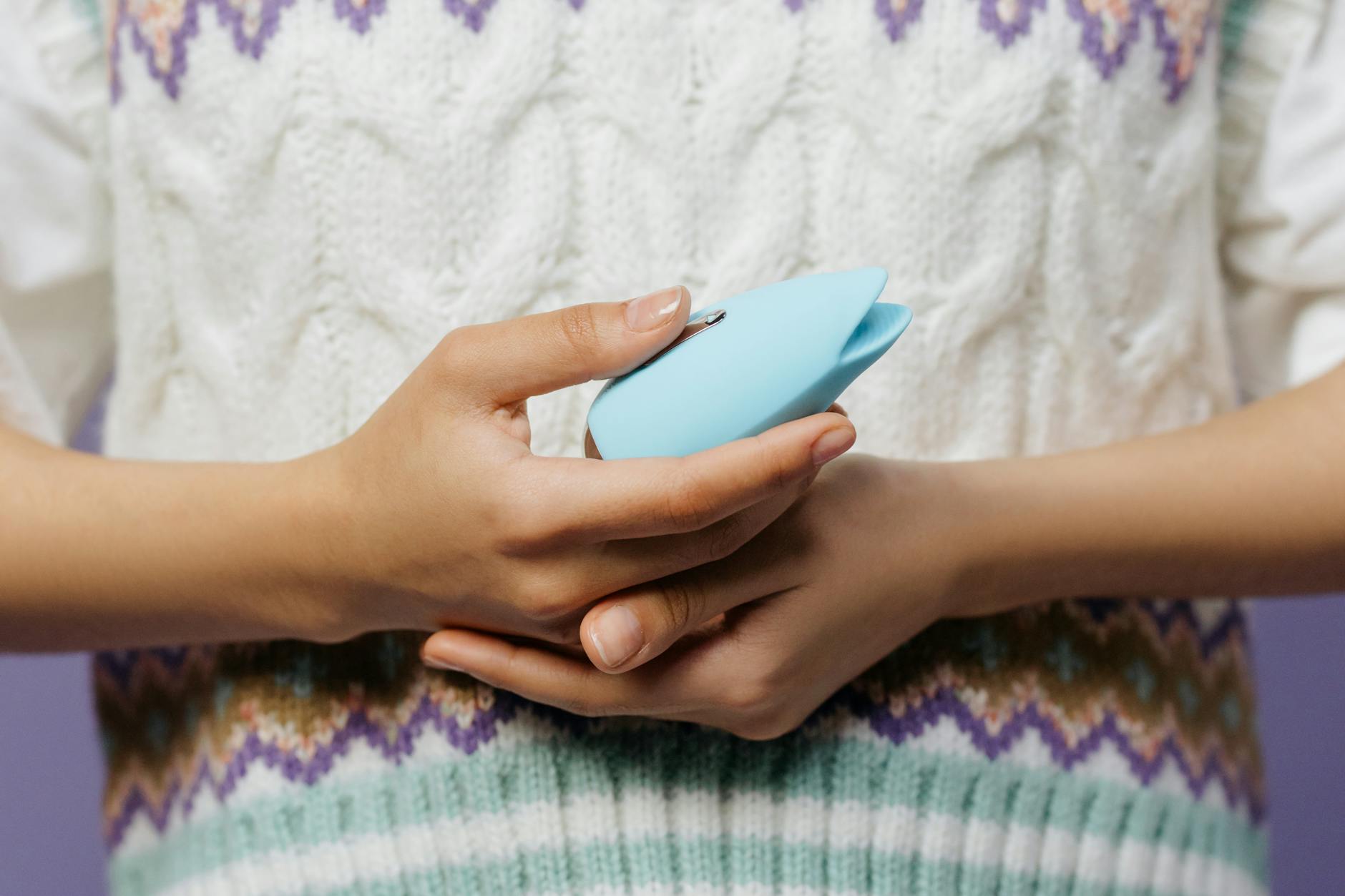
Start absurdly small. Not "use your vibrator for five minutes." Start with "hold it in your hand and feel the weight. Notice the temperature. Don't turn it on yet." This sounds precious, but your nervous system genuinely needs to remember that sensation can be gentle.
When you do turn it on, use the lowest setting. Not because you've been damaged, but because your sensitivity to stimulation has shifted. What felt perfect before might feel jarring now. A lemon vibrator's suction design is actually helpful here because it's less about intensity and more about sustained, even pressure.
Budget more time than you used to. If you had a five-minute warmup before, now you might need fifteen. Your brain is processing a lot. Let it. The goal isn't to rush back to your old baseline. It's to remember that pleasure is still available to you.
If you're with a partner, let them know what you're doing and why. "I'm reconnecting with my body at a slower pace. I need time and no pressure." That clarity prevents them from misinterpreting your slowness as rejection.
The surprising part (joy is not betrayal)
Here's something that catches people off guard. As grief softens, many people report that their pleasure actually deepens. Not returns to baseline. Deepens.
This happens for a few reasons. First, grief teaches you what matters. Pleasure, when it comes back, feels less like a checkbox and more like a genuine want. Second, people often emerge from grief with better boundaries and less performance energy. That usually translates to more authentic pleasure.
Also, your body has literally rewired some neural pathways during the grieving process. When reconnection happens, it's not the same as before. It's new.
That's not something to fear. That's actually where the depth comes in.
How a partner can help without overstepping
If someone you love is grieving and you're trying to navigate intimacy together, here's what helps.
Don't offer solutions. "We should try toys" or "Intimacy will help you feel better" usually lands as dismissive to someone who's grieving. Grief doesn't work on timelines. What helps is sitting with the complicated reality. "I notice things have shifted. I'm here and I'm patient. What do you actually need?"
Let them lead the pace. If they want to reconnect with pleasure through lemon vibrators or any other way, great. If they need months of just being held without sexual expectation, that's also great. Your job is to follow their timeline, not accelerate it.
Understands that reconnection might look different. Maybe they want the same thing you did before. Maybe they want something entirely different now. Both are expressions of healing, not rejection.
When to see a therapist
If you're three to six months out from major loss and pleasure still feels completely inaccessible, that's worth talking to someone about. Sometimes grief gets tangled up with depression or trauma, and professional support helps untangle it.
Also, if you're in a partnership and the loss has created a permanent rift in sexual connection, couples therapy is genuinely valuable. Grief is hard. Grieving differently from your partner is harder. Professional guidance helps you both feel heard.
But here's what I want to say clearly. If you're in early or mid-grief and pleasure feels inaccessible, that's not pathological. That's normal. Your body is doing what it's supposed to do. Trust the process.
FAQ: Grief and Pleasure
Is it normal to lose interest in sex or masturbation during grief?
Completely normal. Grief activates your stress response and redirects resources away from sexual arousal. Your brain and body are in survival mode. Interest usually returns as acute grief softens, though the timeline varies widely. There's no "should" here.
Can using a lemon vibrator during grief help me feel better?
Maybe. For some people, gentle self-pleasure becomes a small anchor of autonomy and sensation during chaos. For others, it feels hollow or triggering. Both are valid. Listen to what your body is actually asking for, not what you think you should want. If using lemon sexual toys feels nourishing, great. If it feels performative, pause and come back later.
My partner still wants sex and I don't. Are we broken?
No. You're grieving differently, which is incredibly common. Grief doesn't synchronize in partnerships. One person might need physical connection as an anchor while the other needs space and stillness. The friction happens when you don't communicate about it. The healing happens when you do. Clear conversation beats assumed understanding every time.
How long does it take for sensation to feel normal again after major loss?
Anywhere from six weeks to a year or longer, depending on the loss. There's no standard timeline. Sometimes sensation returns gradually. Sometimes there's a tipping point where suddenly you want physical pleasure again. Both are normal. The key is checking in with yourself regularly without judgment. If six months have passed and nothing's shifted, professional support can help.
Should I try a lemon clitoral vibrator if nothing else is working?
Lemon vibrators use suction stimulation rather than pure vibration, which some people find gentler and more effective during times when their body feels sensitive or numb. If traditional vibration hasn't been working, suction might feel different. But try it without pressure or expectation. Reconnection happens at its own pace.
What if grief makes me want more sex, not less?
Also completely normal. Some people reach for physical pleasure as a way to feel alive during numbness. Some use it to escape hard feelings temporarily. Some just have higher libido during stress. All of these are okay. The only concern is if you're using pleasure to completely avoid processing grief. Balance matters. But wanting more sex during grief doesn't mean anything is wrong with you.
Grief and pleasure don't have to be at odds. They're just both happening in your body at the same time. Understanding that your nervous system is doing exactly what it's supposed to do takes a lot of the shame out of the process. Reconnection, when it comes, is often richer than before because you're choosing it consciously, not just defaulting to old patterns.
If you're navigating grief and intimacy and feeling stuck, that's where real conversation comes in. Reach out to a therapist, talk honestly with your partner, and be radically patient with your own timeline. Your body knows how to heal. It just needs time and grace.