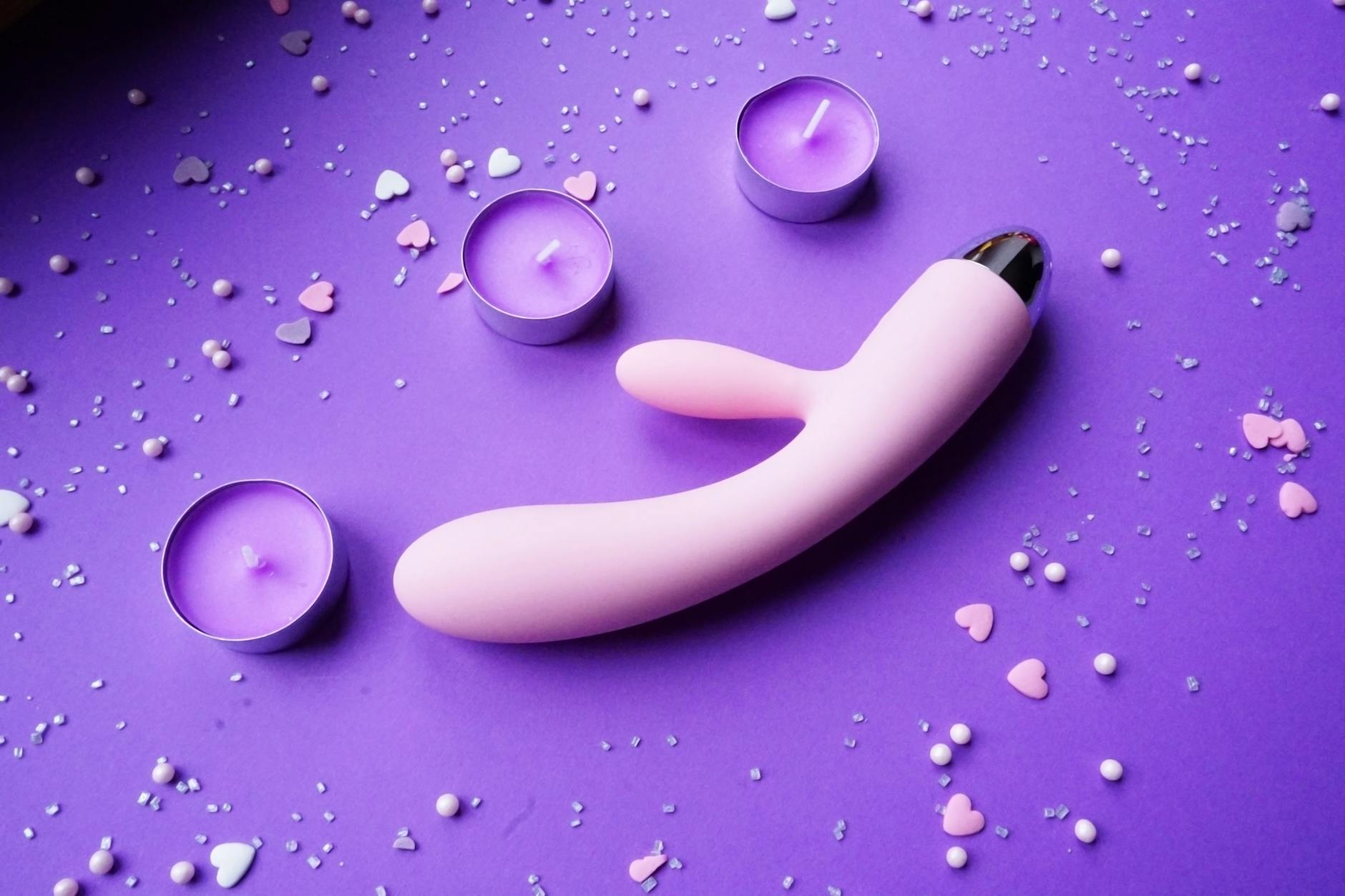
The buzzing myth that needs to end
Let's be real. For decades, vibrators meant one thing: a small motor buzzing at a set frequency. Fast, reliable, gets the job done. And for many people, it works fine. But "fine" isn't the same as "optimal," and there's a reason why lemon vibrators and other suction-based clitoral vibrators are changing how people think about pleasure.
The difference isn't subtle. It's neurological.
How your clitoris actually responds to touch
Your clitoris has roughly 8,000 nerve endings concentrated in a space smaller than a pea. These nerves don't all do the same thing. Some respond to pressure, some to vibration, some to warmth, some to rhythmic pulsing. Traditional vibrators stimulate mostly through high-frequency vibration, which activates a specific type of nerve receptor.
But suction works differently. When a lemon vibrator (or any suction-based device) creates that gentle pulling sensation, it's activating a different neural pathway entirely. It's stimulating pressure receptors and creating a kind of rhythmic engorgement that mimics natural arousal patterns your body recognizes.
Here's the kicker: not every clitoris responds the same way to the same stimulus. Some people find buzzing vibrators mildly pleasant but never quite "get there." Then they try suction and suddenly orgasms arrive faster, feel stronger, or happen at all.
Why suction feels more intense (even at lower settings)
Traditional vibrators work through sheer frequency. A basic vibrator might buzz at 2,000 to 5,000 cycles per minute. It's fast, but it's one note. Your nervous system adapts to it quickly, which is why many people find themselves cranking up the intensity or switching patterns every few minutes.
Suction operates on a completely different principle. Instead of rapid vibration, it creates rhythmic pressure changes. The lemon vibrator, for instance, alternates between mild suction and release, which means the stimulation pattern is always shifting slightly. Your nerves can't fully adapt because the sensation keeps changing.
This is also why many people report that lemon clitoral vibrators deliver orgasms at lower intensities than traditional vibrators. You're activating more nerve types at once, so you need less raw power to reach threshold.
The arousal pattern advantage
During natural arousal, your clitoris goes through phases of engorgement and responsiveness. Blood flow increases, tissue swells, sensitivity peaks. Suction mimics this more closely than vibration does.
When you use a traditional vibrator, you're essentially applying one frequency to a static area. The clitoris doesn't move much, the blood flow pattern is passive, and you're relying entirely on frequency to trigger climax.
With suction, the gentle pulling creates a kind of micro-engorgement cycle. The tissue swells slightly with each suction pulse, blood pools, then releases. This rhythm is closer to what happens during partnered sex, which might explain why some people find suction-based tools like the lemon vibrator feel more natural or satisfying.
Why sensitivity matters more than speed
One of the most common frustrations I hear is: "I can come with my vibrator, but it takes forever and I have to hold it at maximum intensity." That's often a sign the stimulation isn't matching your neurological preferences.
Here's the thing about pleasure: faster or more intense isn't always better. What actually works is stimulation that hits the right nerve receptors at the right rhythm. A lemon vibrator running at pattern 2 might trigger an orgasm in five minutes because it's activating the exact combination of nerves your body responds to. A traditional vibrator at maximum might take twenty minutes because it's only hitting part of the picture.
This is also why the clitoral vibrators you choose matter differently based on your anatomy. Why Lemon Vibrators Feel Different for Different Vulva Types covers this in detail, but the short version: clitoral positioning varies, sensitivity varies, and some people genuinely respond better to suction while others prefer directed vibration.
The pleasure plateau problem
Manytraditional vibrator users hit what I call the pleasure plateau. The device feels good initially, but after a while, the sensation becomes background noise. You're not getting closer to orgasm, you're just... holding steady. This is called habituation, and it happens because your nervous system has fully adapted to the stimulus.
Suction-based designs reduce habituation because the pressure pattern is inherently variable. You're not getting a steady 5,000 Hz buzz. You're getting a pulsing pressure rhythm that changes microsecond by microsecond. This variability keeps your nervous system engaged.
It's one reason why some people who swear traditional vibrators "don't work" for them find that a lemon clitoral vibrator changes everything. They're not broken. They were just using the wrong tool.
The comfort angle nobody talks about
Beyond sensation, there's a practical advantage to suction-based lemon vibrators: they're usually gentler on sensitive tissue. Traditional vibrators can create micro-abrasions with prolonged use, especially if you're applying firm pressure. The rapid vibration essentially "buzzes" the outer skin layer over and over.
Suction, by contrast, pulls rather than vibrates. This means there's less friction against delicate tissue, which is why many people with sensitive vulvas, those recovering from childbirth, or anyone dealing with clitoral sensitivity after surgery find suction-based designs more comfortable for extended use.
What the research actually shows
A 2024 study published in Sexual Medicine Reviews found that suction-based clitoral stimulators had significantly higher orgasm rates in clinical settings compared to traditional vibrators. Participants reported faster time to orgasm, stronger subjective pleasure ratings, and lower rates of device-related discomfort.
But here's what's important: traditional vibrators still work great for many people. This isn't about one being universally better. It's about different tools activating your nervous system in different ways. Some people have neural preferences that favor traditional vibration. Others respond dramatically better to suction.
The lemon vibrator and other suction-based clitoral vibrators simply expand the menu.
How to know if suction might work better for you
If you've tried traditional vibrators and felt like you were "close" but couldn't quite get over the edge, or if orgasms feel distant even at high intensities, suction is worth trying. If you notice that vibration feels good for a bit then becomes kind of numb, that's another sign your nervous system might prefer the pressure-based stimulation suction provides.
There's also a learning curve. The first time using a lemon vibrator or similar suction device, many people aren't sure what they're feeling. It's different from vibration. Give yourself three or four sessions to understand the sensation before deciding it's not for you.
The partnership perspective
If you use toys with a partner, suction-based designs offer something additional. Many partners find the sensation of suction more intuitive to understand visually. They can see the gentle pulling action, which makes it easier to understand what feels good and adjust accordingly. With a buzzing vibrator, all the action is hidden inside the motor.
There's also something about suction that some partners find easier to incorporate into partnered play. The rhythm is slower, more controllable, and the physical action is visible. This can actually improve communication and presence in the moment.
The bottom line
Lemon clitoral vibrators and other suction-based tools work better for many people than traditional vibration because they activate different nerve pathways, create variable stimulation that resists habituation, and mimic natural arousal patterns more closely. But "better" is personal. What matters is finding the stimulation pattern your nervous system actually prefers.
If you've been relying on traditional vibration and feeling like something's missing, a lemon vibrator might be exactly what your body has been waiting for. And if traditional vibrators already work great for you, that's perfect too. Pleasure isn't about following the right path. It's about discovering your own.
Frequently asked questions
How is suction different from vibration in terms of nerve stimulation?
Traditional vibrators work through high-frequency oscillation, typically 2,000-5,000 cycles per minute, which primarily activates vibration-sensitive nerve receptors called Pacinian corpuscles. Suction-based stimulators like the lemon vibrator create rhythmic pressure changes that activate pressure receptors (Meissner's and Merkel's corpuscles) and mimic the engorgement patterns that occur during natural arousal. Because suction activates multiple nerve types simultaneously, it often requires less intensity to reach orgasm, and the variable pressure pattern reduces nervous system habituation faster than steady-frequency vibration.
Can you use a lemon vibrator if you've only ever used traditional vibrators?
Absolutely. The adjustment is usually quick. Your first few sessions might feel different or unfamiliar, but that's normal when switching between stimulation types. Give yourself at least three to four uses before deciding if it works for you. Many people find that their nervous system adapts within a session or two, and then they wonder why they didn't try suction sooner. Start at a lower intensity setting since suction often feels more effective at lower power levels than you're used to with vibration.
Is suction better for everyone, or are there people who prefer traditional vibration?
Personal preference varies significantly. Some people respond better to traditional vibration, while others find suction dramatically more effective. Factors like clitoral anatomy, nerve sensitivity, arousal patterns, and even past sexual experiences can influence which type of stimulation your body prefers. The important thing is to try both approaches without judgment and notice what actually works for your body. Pleasure isn't about what's universally "best." It's about what your nervous system actually responds to.
Why do lemon clitoral vibrators create faster orgasms than some traditional vibrators?
It comes down to nervous system activation. Suction stimulates multiple types of nerve receptors at once, creating a more complete neural picture of pleasure. Traditional vibrators, even powerful ones, primarily activate one nerve type through frequency alone. When your nervous system receives more complete sensory information, it needs less cumulative stimulation to reach climax. Additionally, because suction creates variable pressure rather than steady frequency, your nervous system stays engaged and doesn't habituate as quickly, keeping you closer to climax throughout use.
Can you feel the difference between lemon vibrator settings?
Yes, most people find that the different intensity patterns on a lemon vibrator create noticeably different sensations, more so than pattern changes on traditional vibrators. This is because suction intensity directly changes the pressure applied, whereas traditional vibrators often change frequency in ways that feel subtler. This clarity makes it easier to find your optimal setting and adjust during use based on where you are in your arousal cycle.
Is it normal for a lemon vibrator to feel strange the first time?
Completely normal. Suction is a different sensation from vibration, and your nervous system needs a moment to process it. That "strange" feeling usually evolves into "interesting" or "amazing" within a session or two. If it feels uncomfortable rather than just unfamiliar, adjust the intensity downward or check that you're positioning it correctly. Strange but pleasant usually means you're on the verge of discovering something that works really well for your body.
Should you use lube with a lemon vibrator the same way you would with a traditional vibrator?
Yes, but the amount matters differently. Suction devices work better with a light layer of water-based lubricant since it creates a gentle seal. With traditional vibrators, lube reduces some friction. With suction devices, the right amount of lube actually improves the seal and sensation. Start with less than you think you need and add more if it feels dry. Too much lube can reduce the suction effect slightly.