Does Lemon Vibrator Suction Work Better Than Vibration Alone?
Let's be real: if you've only ever used a traditional vibrator, you might think vibration is the whole story. It's not. The lemon vibrator (and other air-pulse devices) introduced something different to the market, and the neurological difference is actually measurable. Here's what you need to know about suction versus vibration, why some people experience completely different results, and whether a lemon clitoral vibrator might be worth trying if you've felt lukewarm about vibration alone.
The Vibration Problem (Yes, There Is One)
Traditional vibrators are excellent at what they do. They buzz. The buzz travels through tissue, creates micro-movements, and trigger nerve endings. But there's a ceiling to what vibration alone can achieve for certain people and in certain situations.
Here's the friction: vibration requires direct, sustained pressure. For people with sensitive vulvas, thin tissue (common after 40 or postpartum), or nerve damage from certain medications or conditions, that direct pressure can feel overwhelming, numb, or even painful. It's like the difference between a massage that kneads your shoulders and one that just pounds. Both are touch. Only one feels right to you in that moment.
Vibration also tends to diffuse sensation. The stimulation spreads across a wider area of tissue rather than concentrating pressure on the most sensitive points. For some people, that's exactly what they want. For others, it's the reason they've given up on vibrators entirely.
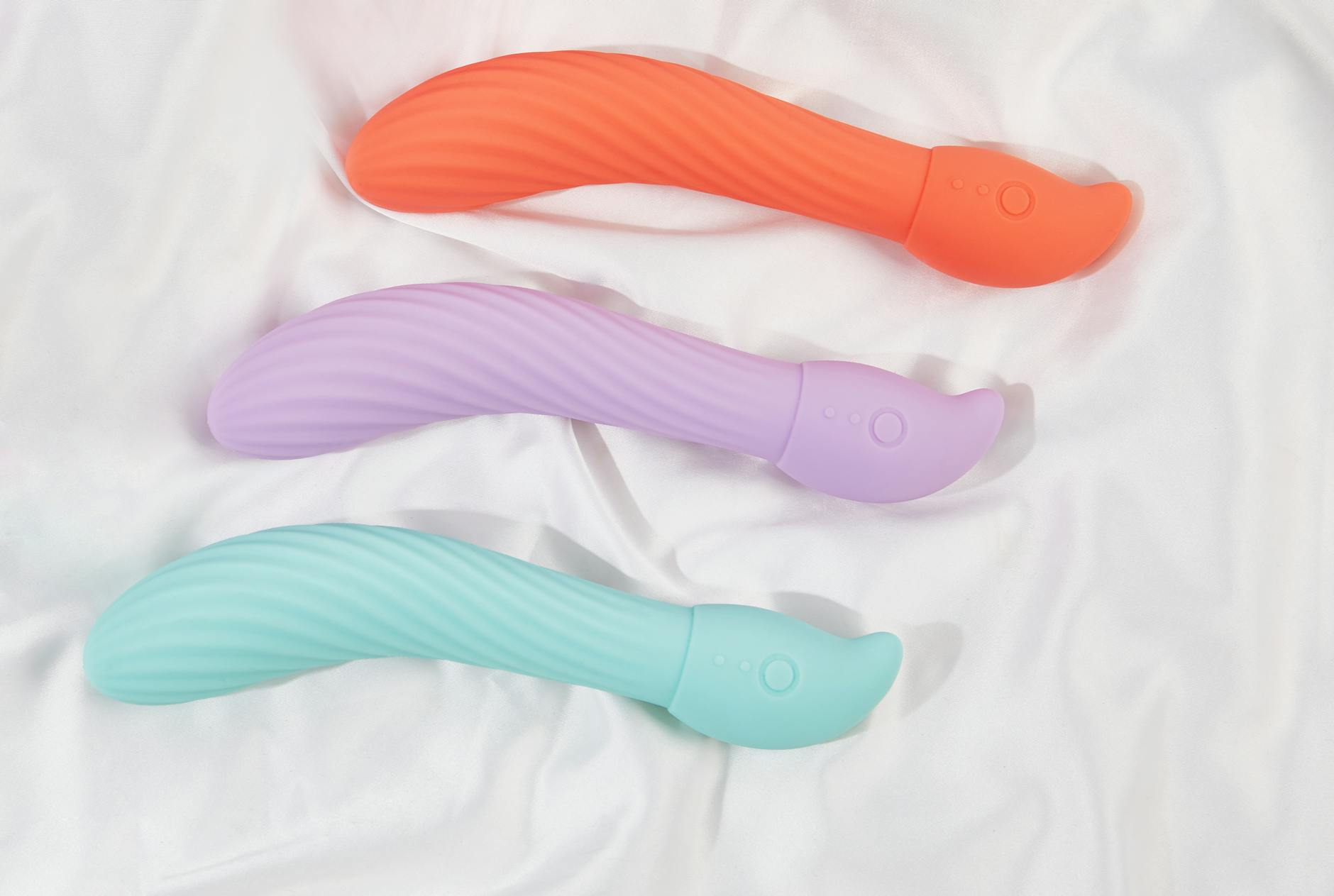
Photo by IFONNX Toys on Pexels
How Lemon Clitoral Vibrators Use Suction Differently
Air-pulse technology (the system lemon vibrators use) works on a completely different principle. Instead of vibrating, the device creates rhythmic waves of suction and release. It's closer to a gentle pulling sensation than a buzz.
Neurologically, this matters because the clitoris has two types of nerve endings: some respond well to vibration, others to pressure and movement changes. Suction activates both, but in a sequence rather than simultaneously. This creates a different neural pathway in the brain.
The clitoral glans (the most sensitive external part) is about the size of a pea and contains roughly 8,000 nerve endings. A vibrator stimulates those nerves through direct tremor. A lemon clitoral vibrator stimulates them through rhythmic pressure waves that gently pull tissue into the device, then release.
The result for many people: more intense sensation without the same friction. More control. A feeling that's closer to hands or mouth than to a traditional vibrator.
Who Actually Feels the Difference (And Who Doesn't)
This is important: not everyone prefers suction to vibration. Preference is real, not a failure on either device's part.
People who typically prefer lemon vibrators tend to be:
Those with sensitive tissue. Post-menopausal bodies, postpartum bodies, people on certain medications or with nerve-related conditions often find suction gentler and more effective than direct vibration.
People with difficulty orgasming from vibration alone. If you've used a traditional vibrator and felt... nothing much, or numbness, or a frustrating plateau that doesn't lead anywhere, suction changes the dynamic. The withdrawal phase (when the device releases) is part of the sensation, and many people find that rhythm easier to build on.
Partners who want to stay engaged. Unlike a vibrator you press and hold, many air-pulse designs (including lemon clitoral vibrators) create sensation that feels more like a partner's touch. The intensity doesn't max out at one setting. It works with your body's responses rather than against them.
People exploring pleasure after a long break. If you've stepped away from pleasure or self-exploration for months or years, starting with a lemon sexual toy can feel less aggressive than starting with a powerful vibrator. The sensation is more approachable.
That said, plenty of people adore traditional vibration and find suction weird or unsatisfying. Both are legitimate. The point is that a lemon vibrator expands what's available to you.
The Intensity Question (Suction Isn't "Weaker")
One misconception: suction feels gentle, so people assume it's less intense. That's backwards.
A lemon clitoral vibrator at pattern level 3 can create more concentrated stimulation than a traditional vibrator at maximum vibration. The difference is precision, not power. Because suction creates a tighter seal and pulls tissue directly into the stimulation zone, the sensation concentrates on the exact nerves you want rather than spreading across a wider area.
For people with difficulty reaching orgasm from diffuse vibration, this concentration is everything. It's the difference between trying to focus a flashlight beam on asphalt and shining it through a magnifying glass.
Intensity also feels different psychologically. Suction creates anticipation. Your body feels the pull, then the release, then the pull again. That rhythm creates a building sensation that many people find more orgasm-accessible than the constant buzz of vibration.
Technique Changes When You Switch from Vibration to Suction
If you're moving from a traditional vibrator to a lemon vibrator (or any air-pulse device), your technique needs to shift slightly.
Pressure matters differently. With vibration, you need consistent downward pressure. With suction, gentle contact is enough. The device creates its own sensation. Pressing hard doesn't make it more intense. It just changes the seal.
Angle is less critical. A traditional vibrator's effectiveness depends partly on the angle of approach. A lemon clitoral vibrator works well from more angles because suction creates sensation regardless of approach direction.
Warm-up time might be shorter. Because the sensation feels different and more targeted, many people find they reach arousal and orgasm faster with air-pulse devices than with vibration. That's not always true, but it's common enough to mention.
Rhythm becomes part of foreplay. With vibration, intensity is on or off. With a lemon vibrator, moving between patterns or intensity levels is part of the experience, not just a tool adjustment. People often use this rhythm intentionally during partnered sex in ways vibration doesn't invite.
The Sensation Arc (Why It Feels Like More)
Here's something that shows up consistently in user reports: the orgasm that happens with a lemon clitoral vibrator often feels different from the orgasm with vibration. Not better, not worse. Different.
With vibration, orgasm tends to feel like a release. Tension builds, then it breaks. With suction, orgasm often feels more like a wave or a ripple. It spreads. It lingers longer. The sensation after orgasm is often more extended rather than dropping off quickly.
This matters if you have a partner, because it means the experience of watching or feeling your pleasure is different too. It's less jagged, more rhythmic. That feeds back into the experience in ways that can deepen connection.
Lemon Vibrators for Partners (Why Suction Changes Dynamics)
When you're using a lemon clitoral vibrator with a partner, the sensations are more visible and more participatory. The rhythm invites response. Someone can feel the patterns through their fingers or through your body. They're not just watching a vibrator buzz. They're experiencing a shared rhythm.
For couples navigating sex with a partner, this changes the energy. A lemon sexual toy becomes part of connection rather than a replacement for it.
When Vibration Still Wins
For clarity: vibration is still the right choice for plenty of people and situations.
Vibration is better if you want simplicity. No learning curve. No pressure variation to navigate. You want powerful, straightforward stimulation that doesn't require technique adjustment.
Vibration is better if you love the feeling of constant buzz. Some people find suction creates a rhythm that feels annoying or repetitive rather than pleasurable. The rhythm becomes distracting instead of building.
Vibration is better for certain positions or partnered scenarios where you need something that performs the same way regardless of contact pressure.
Neither technology is objectively better. They're different tools. A lemon vibrator works better for some people and some situations. A traditional vibrator works better for others.
The Practical Case for Trying Suction
If you've used vibrators and felt meh about them, or numb, or disappointed, a lemon clitoral vibrator might be the difference between "I guess I'm not a vibrator person" and "I was just using the wrong type."
The lemon vibrator specifically has become the standard-bearer for air-pulse technology in the clitoral vibrator market, and for good reason. The design, the motor, the seal all work together to create sensation that's consistent and accessible.
If you've struggled with technique or comfort using traditional vibrators, a lemon sexual toy removes some of that friction (literally and figuratively). The device works with your body's response rather than requiring your body to conform to the device's vibration pattern.
The Bottom Line
Suction isn't better than vibration. It's different. For some people, that difference is everything. For others, it's irrelevant. The point is that if vibration hasn't worked for you, air-pulse technology offers a real alternative, not just a fancy variation on the same idea.
Your pleasure matters. If what you've tried hasn't delivered, trying something designed on a completely different principle isn't failing. It's exploring. That's the whole point.
People Also Ask
How does suction feel different from vibration?
Suction creates a sensation of gentle pulling and release, moving in a rhythm. Vibration creates constant buzzing through direct tremor. Suction can feel more like touch from a partner. Vibration feels more mechanical. For people sensitive to direct pressure, suction often feels gentler despite creating equally intense sensation in a more concentrated area.
Can you use a lemon vibrator if you've never used any vibrator before?
Completely. In fact, many first-time users find a lemon clitoral vibrator easier to start with than traditional vibrators. The sensation feels more intuitive, the learning curve is smaller, and you can adjust intensity gradually without the intensity spike that comes with turning vibration on at full power. Start at pattern 1 or 2 and explore from there.
Is a lemon vibrator better for reaching orgasm?
Not universally, but for a significant number of people, yes. If you've had difficulty orgasming with traditional vibrators, the concentration of sensation and the rhythm of a lemon clitoral vibrator often makes orgasm more accessible. That said, orgasm is highly individual. What works is what works for you, not what works for the majority. If traditional vibration is working, you don't need to switch.
Can you use a lemon vibrator during partnered sex?
Absolutely. Many couples find that a lemon sexual toy adds dimension to partnered pleasure in ways traditional vibrators don't. The rhythm invites participation. The sensation is less isolating. Start slowly and communicate about what feels good for both of you. Introduce it the same way you'd introduce any new toy—with conversation first, exploration second.
Do you need lube with a lemon vibrator?
Yes and no. Some people find suction works great with just natural lubrication. Others prefer water-based lube for comfort and to enhance the seal. Try it both ways. If you use lube, stick with water-based. Never use silicone lube with a silicone toy. Start with a small amount and adjust based on what feels good. Your comfort is the only metric that matters.
What if I try a lemon vibrator and don't like it?
Then you don't like it. That's fine. Pleasure tools aren't one-size-fits-all. Some people are vibration people. Some prefer suction. Some prefer hands. All of it is normal. You've learned something about yourself, which is the point. Keep exploring until you find what actually works for your body and your desires.
Sources & Further Reading
The neuroscience of clitoral sensation draws from research in sensory physiology and sexual response cycles. Studies on air-pulse devices versus traditional vibrators show measurable differences in nerve activation patterns and reported sensation intensity. If you're curious about the deeper science, peer-reviewed research on somatosensory stimulation and orgasmic response through different mechanical stimulation methods is available through academic databases, though much of the specific research on commercial pleasure devices is still emerging.
For immediate practical guidance, consider talking with a sex educator or therapist who specializes in sexual health. They can help you explore what works for your body specifically, rather than relying on general recommendations.
Your pleasure is worth the exploration. Start where you are. Try what calls to you. Pay attention to what actually feels good. That's all the science you need.