Let's start with the obvious thing nobody says out loud
Desire mismatch is one of the top reasons couples fight about sex. One person wants it three times a week. The other wants it once a month. One initiates constantly. The other feels like a job. It's not about prudishness or passion gone flat. It's usually about misalignment on frequency, timing, or even what "sex" means to each partner.
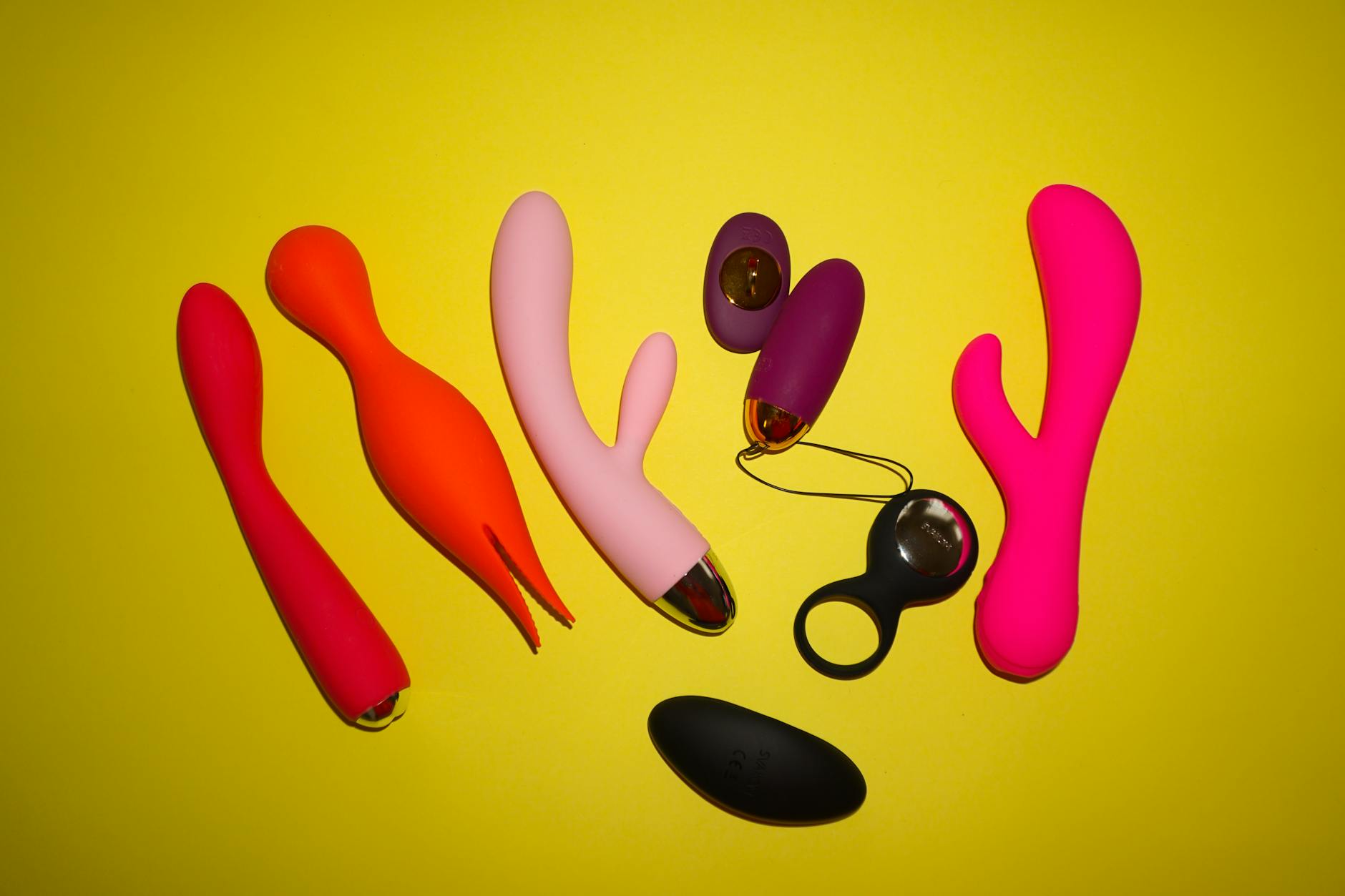
Here's what I see happen: the higher-desire partner thinks "I'll get a lemon clitoral vibrator, we'll use it together, and that will fix the frequency gap." The lower-desire partner senses the subtext ("you're not enough for me") and feels worse. Both end up resentful. The vibrator sits in a drawer.
Lemon vibrators can absolutely help with desire mismatch. But only if you're using them to solve the actual problem, not the symptom.
The actual problem isn't desire. It's often disconnection.
When partners have different libidos, the real issue hiding underneath is rarely about want. It's about safety, pressure, timing, or feeling seen.
A partner with lower desire often isn't uninterested in pleasure. They're usually dealing with one of these:
- Performance anxiety. They feel watched, judged, or like they have to "keep up."
- Timing misalignment. They want foreplay at 10 a.m. on a Sunday. Their partner wants sex at midnight after a workday.
- Emotional distance. Sex requires vulnerability, and if the relationship feels disconnected in other areas (conversation, affection, trust), sex feels impossible.
- Fatigue or stress. Kids, work, money. The lower-desire partner is touched out, exhausted, or mentally elsewhere.
- Pleasure inequality. If sex historically takes 30 minutes and they rarely orgasm, initiating feels pointless.
A lemon vibrator won't fix any of those things. But it CAN change how you approach pleasure together, which might.
Why lemon vibrators work differently in a desire-mismatched couple
Three reasons:
1. They remove performance pressure. When a clitoral vibrator is involved, the lower-desire partner stops feeling like they need to "perform" or maintain arousal through friction alone. The Lemon does the work. They can just be present, enjoy sensation, and relax into it without managing someone else's pleasure.
2. They make foreplay finite and focused. A lot of lower-desire partners dread sex because foreplay feels open-ended. Ten minutes becomes twenty becomes they're not aroused and suddenly everyone's frustrated. Introducing a vibrator creates a clear structure: you do this together for this amount of time, both of you get to enjoy it, and then you decide what happens next. No ambiguity. No "how much longer is this going to take."
3. They're less emotionally loaded than penis-in-vagina sex. This matters more than you'd think. For a lower-desire partner, using a vibrator together can feel like a conversation starter, not a performance evaluation. It's collaborative, less pressure-based, and feels genuinely different from the sex pattern that created the resentment in the first place.
How to actually introduce a lemon vibrator without making it worse
The conversation is everything. Here's what doesn't work:
- "I bought us something to spice things up." (Subtext: you're boring.)
- "This might help with your desire issues." (Subtext: you're broken.)
- Surprising them with it during sex. (Subtext: I've been planning how to fix you.)
What does work:
Start separate from sex. Bring it up on a Tuesday afternoon, not during intimate time. Say something like: "I've been thinking about how we've been out of sync on sex lately. I don't think it's about you not wanting me or me pushing too hard. I think we're just not on the same page about how we do this. I was wondering if trying something different together might help us both relax into it more."
Make it about curiosity, not fixing. "I'm interested in what feels good for you. I know you've mentioned feeling like sex is something you have to do. What if we tried something that took some of the pressure off and was just about what feels good to both of us?"
Offer a choice. Don't just arrive with a lemon clitoral vibrator. Say: "I've been reading about clitoral vibrators. Some couples find them really helpful when they want to reconnect without the usual pressure. Would you be curious about trying something like that together? Or would you rather talk about what would actually help you feel more in the mood?"
The last option matters. Sometimes the answer is: "No, what I actually need is more sleep and to not feel rushed." If that's the answer, listen. The vibrator doesn't solve burnout. It solves sensation.
When you do use one together, here's what actually works
Assuming your partner is on board, the mechanics matter less than the context.
Set a real boundary on time. Say: "Let's plan for 20 minutes. No expectation of orgasm. Just us exploring what feels good." Having an exit isn't failure. It's structure.
The lower-desire partner controls it. This is key. They decide when to use it, where, how long, at what intensity. This flips the power dynamic from "my partner is trying to turn me on" to "I'm discovering what I like." Huge difference.
Start without expecting sex. Use the vibrator, enjoy the sensation, and maybe it leads to sex. Maybe it doesn't. The point is to disconnect pleasure from obligation.
Check in after. Not "how was that" in a fishing-for-compliments way. But genuine: "That felt different. What did you notice?" You're building data about what actually works, not performing.
The harder conversation: desire mismatch might need more than this
Here's what I know from 20 years of couples work: if desire mismatch is really about connection, a vibrator helps. If it's about incompatibility, resentment, or your partner genuinely not wanting to address the gap, a vibrator becomes a band-aid.
Lemon vibrators are tools for couples who both want to reconnect but are stuck in a pattern. They're not solutions for couples where one person has checked out, or where sex has become a battleground, or where the real issue is something else entirely (money stress, an affair, kids taking over your life).
If you've tried the vibrator approach and it's still tense, that's the signal to talk to someone. A couples therapist. Not because anything is broken, but because desire mismatch often signals that something bigger needs attention.
Why this works for your actual relationship
When you use a lemon vibrator intentionally in a desire-mismatched relationship, you're doing something subtle but important: you're saying "I want us to figure this out together" instead of "I'm going to fix you." You're creating a new shared experience that's not loaded with the history of sex becoming a source of conflict.
You're also shifting from a model where one person's desire drives the interaction to a model where both people's pleasure matters equally. That's the real change. The vibrator is just the vehicle.
Desire mismatch doesn't disappear. But when both partners feel seen, unchoreographed, and capable of pleasure, the gap stops feeling like rejection. It feels like a rhythm you're both learning to dance to.
People Also Ask
Can a vibrator really help if my partner has no desire?
A vibrator helps when the desire gap is about disconnection or routine, not when your partner has genuinely lost interest in sex or in you. If they're avoiding sex entirely and avoiding the conversation about it, you need to talk first. A vibrator won't fix avoidance.
Is using a vibrator a sign my relationship is failing?
Not even close. Couples who introduce new tools to their sex life are often couples who care enough to try something different. That's not failure. That's investment.
What if my partner feels threatened by a vibrator?
That's real and common. Most of the time it's because they're worried it means they're not enough. Have the conversation early: "This isn't about replacing anything. It's about both of us enjoying this more. You're not being replaced. You're being invited."
Should we use it every time we have sex?
No. The point is variety and reducing pressure. Some sessions with it, some without. That unpredictability is actually better for desire than a rigid routine.
How do I know if this is working?
You'll notice less fight about initiating. The lower-desire partner might initiate more. You'll have fewer "I don't want to" conversations and more actual intimacy. That's the signal.
What if we try this and nothing changes?
Then the desire mismatch is likely about something deeper: emotional distance, resentment, life stress, or genuine incompatibility. That's when you move from tools to conversation. And maybe to how to reconnect with your partner after years together or professional support.
The one thing I want you to remember
Desire mismatch isn't a flaw in your relationship. It's a conversation waiting to happen. A lemon vibrator doesn't solve the conversation. But used thoughtfully, it can change the terrain so the conversation feels collaborative instead of combative.
Your partner isn't broken because they want sex less. You're not unreasonable because you want it more. You're just out of sync. Tools help. Curiosity helps more. Kindness helps most of all.
If you're stuck in this pattern and it's affecting your connection, reach out. Contact us and let's talk about what might actually help your relationship move forward.